






The Message That Launched a Rocket Company
In 2018, Pawan Kumar Chandana and Naga Bharath Daka, two former scientists from the Indian Space Research Organisation (ISRO), had a bold vision: to build India's first private aerospace company. They had the technical expertise from working on the nation's
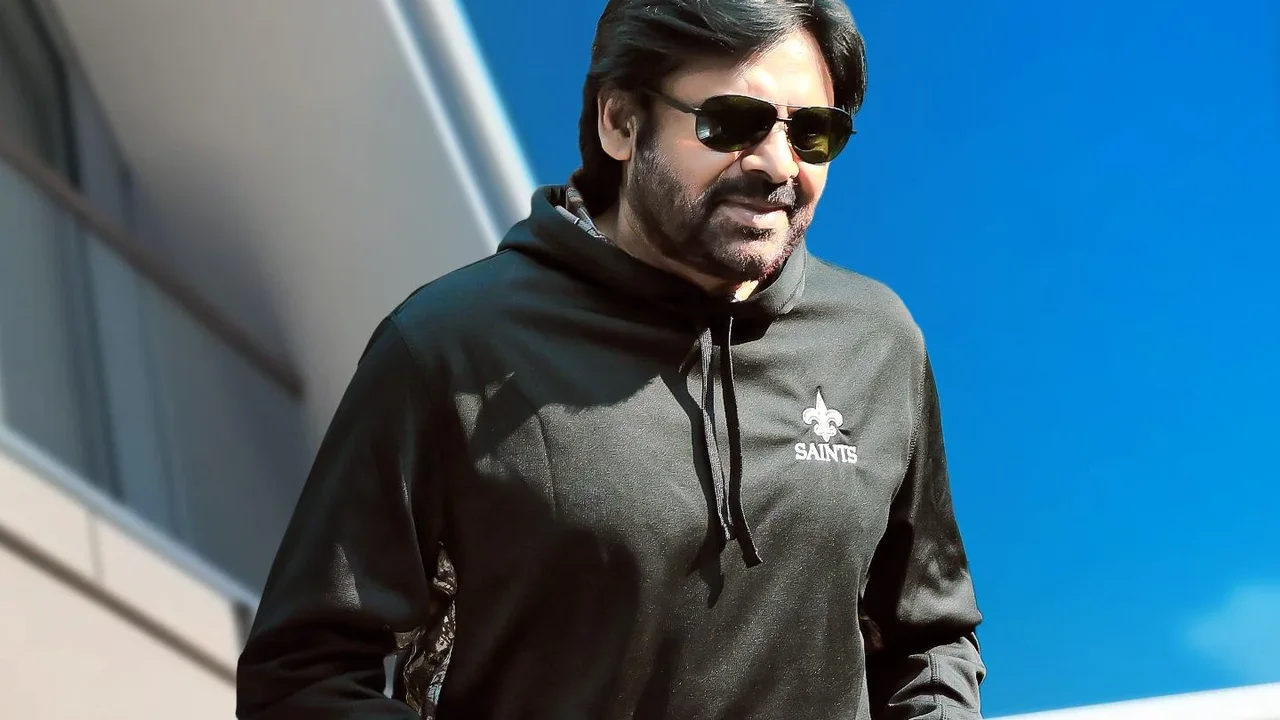
most prestigious rocket programs, but they lacked capital and a clear regulatory path. Undeterred, Chandana sent a cold message on LinkedIn to one of India's most successful entrepreneurs, Mukesh Bansal. This digital long shot wasn't just a request for money; it was a pitch for a dream to open up space for private enterprise in India. Bansal, the founder of Myntra and Cult.fit, responded, and that initial conversation would become the launchpad for Skyroot Aerospace.
An Investor Who Saw Beyond The Horizon
Mukesh Bansal was not a typical deep-tech investor. His success was built in the consumer-facing worlds of e-commerce and health technology. Yet, he saw potential in the pitch from the two ex-ISRO scientists. At the time, India had no formal policy for private participation in the space sector. Investing in a rocket company was a high-risk gamble with immense technological and regulatory uncertainty. Despite this, Bansal was moved by the founders' passion and their compelling vision. He agreed to become Skyroot's first and, for a time, only angel investor, writing an initial cheque for ₹10 crore. As Chandana later noted, that first cheque was more than just capital; it was a profound statement of belief.
Skyroot Aerospace: India's Private Space Pioneer
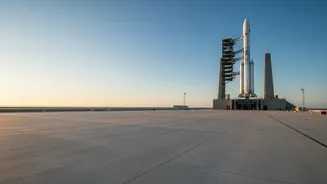
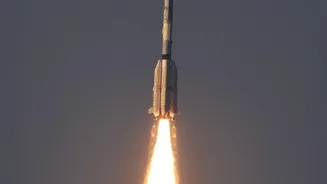
Founded in Hyderabad, Skyroot Aerospace's mission is to make space accessible and affordable. The company is developing a series of launch vehicles named 'Vikram' after the father of India's space program, Dr. Vikram Sarabhai. These rockets are designed to deploy small satellites into low Earth orbit, a booming global market. Skyroot achieved a major milestone in November 2022 with the launch of Vikram-S, India's first-ever privately built and launched rocket. This was followed by an even more significant achievement in July 2026, when the Vikram-1 rocket successfully completed an orbital launch, making Skyroot the first private Indian company to place a payload in orbit.
A Bet That Paid Off, And Then Some
Bansal's initial investment of around ₹12 crore across early rounds proved to be incredibly prescient. He invested two years before the Indian government formally opened the space sector to private players in 2020, a move that unlocked a floodgate of institutional funding for Skyroot. His early faith has since been validated spectacularly. Skyroot's valuation has soared, reaching unicorn status (a valuation over $1 billion) in 2026. Bansal's initial ₹12 crore investment has grown to a total value of over ₹700 crore, factoring in his remaining stake and partial share sales, representing a return of nearly 60 times.
The Bigger Picture: A New Era for Indian Tech
The story of Bansal's investment is more than a tale of incredible financial returns. It signifies a pivotal moment for India's startup ecosystem. It demonstrates a growing confidence among domestic investors to back complex, hardware-intensive, and long-term projects in 'deep tech' sectors like aerospace. Bansal's role wasn't just financial; he provided mentorship, allowing the founders the autonomy to innovate while offering guidance on building a long-lasting institution. When the COVID-19 pandemic caused financial strain, Bansal reportedly stepped in with an additional ₹2 crore to help the company retain its team, reinforcing his commitment. This partnership highlights a new dynamic where seasoned entrepreneurs are nurturing the next generation of innovators, fueling India's ambition to become a global technology leader.