





Decoding the Startling Numbers
A recent report by industry body ASSOCHAM has put a number on the transformation sweeping across the NCR real estate landscape, and it is staggering. According to the report, the share of homes priced above Rs 1 crore has skyrocketed from just 18% of total
sales in 2018 to a commanding 84% in the first half of 2026. This dramatic pivot to the premium segment reveals a market that is fundamentally changing. Interestingly, this surge in value is not matched by a surge in volume. Over the last decade, while housing prices in the region climbed 193%, the actual number of homes sold grew by a modest 7%. Even more telling, new project launches have declined by 20% in the same period. This phenomenon is best described as 'value concentration rather than volume expansion', where the market is selling fewer but far more expensive homes.
The New Architects of Demand
So, who is buying these high-value properties? The profile of the luxury homebuyer has expanded significantly. While established business families and NRIs remain active, they have been joined by a new class of affluent buyers. This group includes successful startup founders, high-earning tech professionals, and senior corporate executives who have generated significant wealth in recent years. The COVID-19 pandemic acted as a powerful catalyst, fundamentally altering what people want from a home. The demand for larger living spaces, dedicated home offices, and premium amenities like private decks, gyms, and green spaces has exploded. Buyers are no longer just looking for a place to live; they are seeking a complete lifestyle upgrade, and they have the disposable income to pay for it.
Why Developers Are Going Premium
Real estate developers are not just responding to this demand; they are actively driving it. The economics of the industry have made focusing on the luxury segment a matter of survival for many. Profit margins on premium and luxury projects can be as high as 25-30%, compared to just 10-12% for affordable housing. Simultaneously, the costs of land, essential construction materials like steel and cement, and labour have been rising sharply. These increased input costs have made affordable housing projects, which are capped at a price of Rs 45 lakh, increasingly unviable for developers. Faced with a choice between slim margins on high-volume budget projects and healthier profits from the booming luxury segment, most have chosen to follow the money, leading to a flood of premium launches.
The Other Side of the Luxury Boom
The meteoric rise of the luxury market has a significant and concerning consequence: the rapid disappearance of affordable housing. The same market forces making luxury projects attractive have made budget homes an endangered species. In NCR, the share of affordable housing in new launches has plummeted from 62% in 2020 to a mere 5% by mid-2025. This isn't a problem unique to the capital region; it is a nationwide structural shift. For the average middle-class family or first-time homebuyer, this trend is alarming. It means that the dream of owning a home is moving further out of reach, not because of a lack of demand, but because of a severe lack of supply in the segments they can afford. The market is increasingly catering to the wants of the wealthy at the expense of the needs of the many.
A Tale of Two Markets
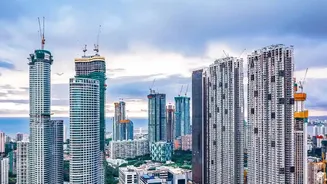
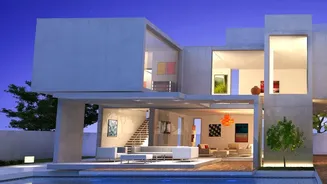
The NCR housing story is now a tale of two deeply divided markets. On one side, there is a thriving, high-value ecosystem driven by wealth creation and a desire for opulence. This is a world of sky villas, golf-course-facing apartments, and branded residences, particularly concentrated in premium micro-markets in Gurugram and Noida that have been bolstered by new infrastructure. On the other side is a struggling segment where supply is shrinking, prices are rising, and the goal of housing for all seems more distant. This split reflects broader trends of economic inequality, where growth is not evenly distributed. The current boom in the luxury segment is undeniable, but its foundation rests on a widening gap in the property market.