





The First Ingredient Rule
In India, the Food Safety and Standards Authority (FSSAI) mandates that all ingredients on a packaged food item must be listed in descending order by weight. This is the single most important rule for a savvy shopper. The first ingredient listed is what
the product contains the most of. If you're buying what you believe to be whole wheat bread, the very first ingredient should be “whole wheat flour” (atta). If it’s “wheat flour” (maida) or “refined wheat flour,” you’re holding a loaf of refined bread, regardless of how brown it looks or what healthy-sounding words are on the front.
Decoding Deceptive Buzzwords
Food marketers are experts at using appealing terms that suggest health without guaranteeing it. Don’t be fooled by claims like “multigrain,” “100% wheat,” or “made with whole grains.” The term “multigrain” simply means the product contains more than one type of grain, but they could all be refined. Similarly, “100% wheat” often refers to 100% refined wheat flour, not whole wheat. A product “made with whole grains” might contain only a tiny amount, with the whole grain appearing far down the ingredient list. Always ignore the front-of-package claims and turn straight to the back.
The 'Whole' Truth: What to Look For
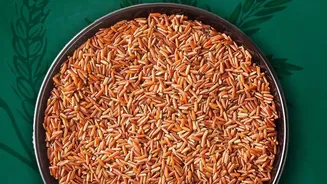
Your goal is to find the word “whole” at the top of the list. This confirms that all three parts of the grain kernel—the bran (fibre), germ (nutrients), and endosperm (starch)—are present. Besides “whole wheat flour,” look for other whole grains like oats, whole barley (jau), ragi, bajra, or brown rice. If the package specifies a percentage, that’s even better. For example, seeing “Whole Wheat Flour (51%)” gives you a clear idea of its content. A product that is genuinely high in whole grains will proudly state it as the primary ingredient.
Watch Out for Hidden Sugars
A common trick is to use multiple types of sweeteners so that “sugar” doesn’t appear as the first or second ingredient. While you're checking for whole grains, scan the list for sugar's many aliases. Ingredients like high-fructose corn syrup, glucose, dextrose, maltose, sucrose, cane sugar, and fruit juice concentrate are all forms of added sugar. If you see several of these listed, the total sugar content is likely much higher than you think, potentially offsetting the benefits of the whole grains.
Your Second Check: The Nutrition Facts Panel
After you’ve confirmed that a whole grain is the leading ingredient, a quick glance at the nutrition facts panel can provide extra assurance. Look for the amount of dietary fibre. A true whole-grain product will naturally be higher in fibre. Aim for products with at least 3 grams of fibre per serving as a good starting point. This secondary check helps confirm that the whole grain content is substantial and not just a token amount. The FSSAI also requires labels to list “added sugar” separately, making it easier to spot overly sweetened products.