






Protein for Staying Power
Protein is essential for making your smoothie a satisfying meal that keeps you full for hours. It helps to build and maintain muscle mass, regulate blood sugar, and prevent the hunger pangs that can strike mid-morning. Without enough protein, a fruit-heavy
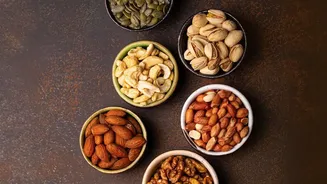
smoothie can digest too quickly, leaving you hungry soon after. For a meal replacement smoothie, aim for at least 20 grams of protein. Good sources include unsweetened Greek yogurt, which is higher in protein than regular yogurt, cottage cheese, or a quality protein powder. For plant-based options, consider silken tofu, nut butters like almond or peanut butter, or seeds.
Fibre for Fullness and Digestion
Fibre is a crucial component often missing from juices, but preserved in smoothies that use whole fruits and vegetables. It plays a huge role in digestive health, helping to prevent constipation and support a healthy gut. Fibre also slows down digestion, which helps to control blood sugar levels and lower cholesterol. This slowing effect is key to feeling full and satisfied after your meal. Excellent sources of fibre to add to your blender include leafy greens like spinach or kale, berries (raspberries and blackberries are particularly high), chia seeds, flax seeds, and rolled oats. Even adding frozen cauliflower can boost fibre without affecting the taste.
Healthy Fats for Lasting Energy
Fat is not the enemy; in fact, healthy fats are vital for a well-rounded smoothie. They are essential for absorbing fat-soluble vitamins (A, D, E, and K), producing hormones, and providing lasting energy. Including a source of healthy fat is key to ensuring your smoothie has staying power and doesn't leave you feeling hungry shortly after finishing it. Fats also contribute a rich, creamy texture that makes your smoothie more satisfying. Great choices for healthy fats include avocado, which creates a wonderfully thick consistency, as well as seeds like chia, flax, or hemp. A tablespoon or two of nut butter or a sprinkle of unsweetened coconut flakes are also fantastic options.
Carbohydrates for Fuel
Carbohydrates have gotten a bad rap, but they are your body's primary source of energy and are vital for brain function. The key is to choose the right kind. A balanced smoothie uses carbohydrates from whole foods, which also provide fibre and essential nutrients, rather than from added sugars like syrups or fruit juices. Whole fruits are a perfect source, offering natural sweetness along with vitamins and antioxidants. Bananas, mangoes, and berries are classic smoothie fruits. For an extra boost of complex carbohydrates and fibre, consider adding a scoop of rolled oats, which also helps to thicken the blend.
Building Your Balanced Blend
Now, it's time to put it all together. Start with a liquid base—water, low-fat milk, or an unsweetened plant-based milk like almond milk are great choices. Avoid fruit juices, which add sugar without the benefit of fibre. Then, follow a simple formula for success: add one or two servings of fruit (carbohydrates and fibre), a handful of greens (more fibre and nutrients), a source of protein, and a serving of healthy fat. For a colder, thicker smoothie, use frozen fruit. This method saves you from having to use ice, which can dilute the flavour. By ensuring you have these four core components, you create a smoothie that is not just delicious, but also a complete and balanced meal.