








The AI Data and Power Deluge
Artificial intelligence, especially generative AI that powers sophisticated chatbots and creative tools, represents a monumental leap in computing. But this leap comes at a physical cost. Unlike traditional computing, AI workloads, particularly the training
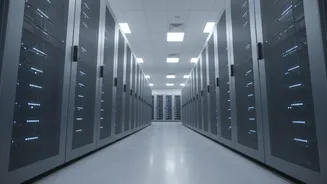
of large language models, require immense and sustained processing power from specialised hardware like graphics processing units (GPUs). These systems consume significantly more energy. An AI-focused data centre can use many times more power than a conventional one. This dramatic increase in energy intensity is the primary driver behind the urgent need for new capacity, transforming the data centre landscape from a real estate asset into a critical component of energy infrastructure.
Megawatts and Megacities
The 'fresh capacity needs' translate into three key requirements: massive amounts of reliable power, vast physical space for data halls, and advanced cooling systems to dissipate the heat generated by power-dense servers. India's data centre capacity, measured in megawatts (MW) of IT load, is on a steep upward trajectory. Currently around 1.6 gigawatts (GW), projections suggest this could multiply to over 6.5 GW by 2030, and potentially as high as 13.5 GW in the coming years. A significant portion of this growth is directly attributable to AI. This demand is not evenly spread; it is heavily concentrated in a few key urban hubs, creating hotspots of intense infrastructural pressure.
Mumbai and Chennai: The New Frontlines
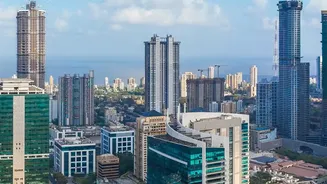
Mumbai and Chennai have emerged as the epicentres of India's data centre boom. Mumbai, already the nation's financial capital, accounts for nearly half of the country's current operational capacity. Its leadership is built on a foundation of reliable power and, crucially, its status as a major landing point for the submarine fibre optic cables that connect India to the global internet. Chennai is rapidly rising as the second most important hub, also benefiting from its strategic coastal location with multiple cable landings. However, this concentration is creating challenges. The immense power draw can strain local electricity grids, and acquiring large parcels of land suitable for data centres is becoming increasingly difficult. Consequently, cities like Hyderabad, Pune, and Delhi-NCR are also seeing a surge in data centre development as the industry seeks to diversify.
More Than Just Data Centres
The impact of AI's capacity needs extends far beyond the four walls of the data centre. The demand for stable, uninterrupted power is forcing a rethink of grid-level planning. A parliamentary panel has warned that the clustering of data centres could strain the national grid. This boom also has significant implications for the commercial real estate market, as developers compete for land with grid connectivity. Furthermore, there is a growing need for a skilled workforce capable of building and managing these highly complex facilities. From construction to network engineering, the AI infrastructure boom is creating a ripple effect across multiple sectors of the economy.
The Sustainability Question
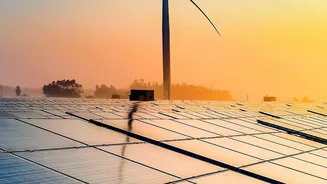
The enormous power consumption of AI-driven data centres brings the issue of sustainability into sharp focus. With India's grid still heavily reliant on coal, a rapid expansion of power-hungry facilities threatens to undermine the country's clean energy goals. Operators and the government are increasingly aware of this challenge. The conversation is now shifting towards building 'green' data centres powered by renewable energy. Access to sustainable power sources is becoming a key differentiator for developers. In addition to electricity, these centres are also highly water-intensive, primarily for cooling, adding another layer of environmental consideration, especially in water-stressed urban areas. The future of India's AI ambitions may depend on its ability to power them cleanly and sustainably.