




Strength Beyond the Gym
When we think of strength training, we often picture barbells and machines. But for centuries, many African cultures have cultivated powerful traditions of physical development rooted in daily life, ceremony, and survival. This isn't fitness for aesthetics
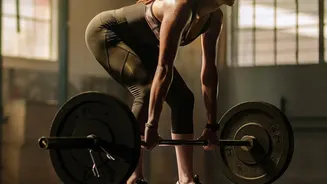
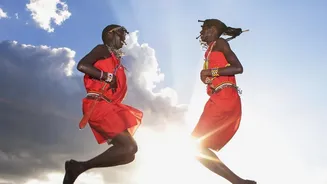
alone; it's functional strength, built for purpose. Think of the explosive power of Senegalese wrestlers practicing Laamb, the endurance of Maasai jumping dances, or the agility of Nguni stick fighters. These practices were not confined to a specific time or place; they were woven into the fabric of society, from herding cattle to community celebrations and rites of passage. The training involved dynamic, full-body movements using natural resistance—lifting rocks, carrying logs, and manipulating one's own bodyweight—to build resilience and skill.
The Universal Language of Bodyweight Mastery
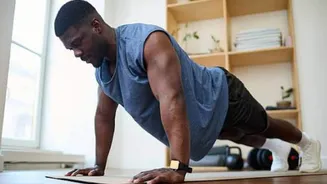
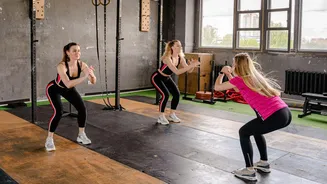
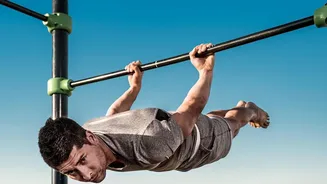
Calisthenics, at its core, is the art of using your own bodyweight as resistance to build strength, flexibility, and coordination. From basic push-ups and squats to advanced levers and planches, the discipline is about progressive skill acquisition and mastering movement. It requires minimal equipment, making it one of the most accessible forms of fitness. The philosophy is simple: before you can master an external weight, you must first master yourself. This focus on relative strength—how strong you are for your body size—creates a physique that is not only powerful but also agile and capable in real-world situations.
Where Ancient Wisdom Meets Modern Movement
The link between calisthenics and African-inspired strength training is not just a coincidence; it's a shared philosophy of human movement. Both disciplines prioritize functional fitness, building strength that translates directly into everyday capability. The compound movements seen in calisthenics—pushing, pulling, squatting, and lunging—are fundamental human actions that were honed through traditional African practices like farming, hunting, and martial arts. For example, the core stability and explosive power needed for a muscle-up in calisthenics are not unlike the strength required in traditional wrestling. Similarly, the coordination and agility developed through stick fighting are mirrored in the dynamic flows and transitions of advanced bodyweight athletes. Both traditions emphasize a deep mind-body connection, requiring intense focus, discipline, and an understanding of your body's limits and potential.
More Than Muscle: The Spirit of Community
Perhaps the most profound connection lies in the spirit of the practice. Many traditional African strength disciplines are deeply communal. Stick fighting, for instance, often takes place at public ceremonies, weddings, and festivals, reinforcing social bonds and providing a space for young men to earn respect. This contrasts with the often individualistic pursuit of fitness in the modern world. While calisthenics parks and groups foster a sense of community, its roots can learn much from the integrated, celebratory, and social nature of African traditions. These practices were not just about building a strong individual, but about strengthening the entire community through shared ritual and collective effort.
Bringing Ancestral Principles to Your Workout
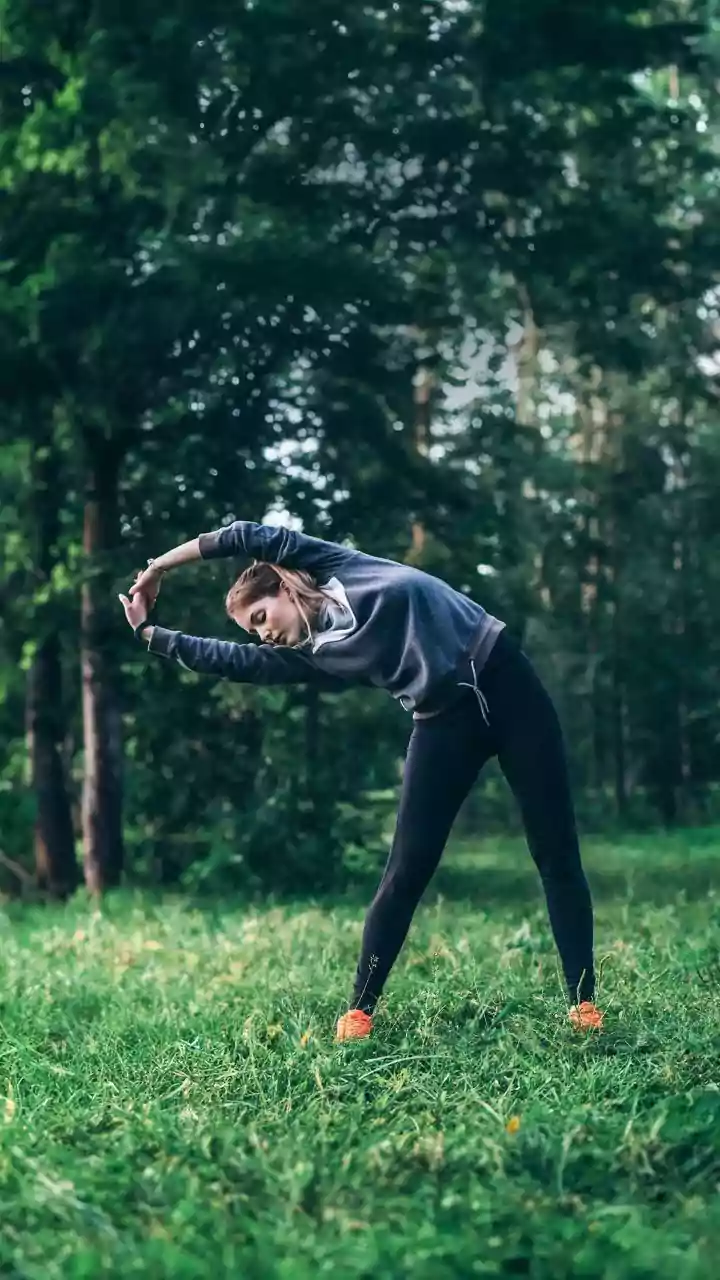
Integrating the spirit of African-inspired training into your calisthenics routine doesn't mean you need to find a sparring partner for stick fighting. It’s about adopting the underlying principles. You can start by focusing on the 'why' behind your training—is it for health, for joy, for discipline? Incorporate more dynamic, ground-based, and rhythmic movements into your warm-ups, inspired by traditional dance. Find a training partner or a group to work with, fostering a sense of shared purpose and friendly competition. Above all, it’s about viewing fitness not as a chore, but as an expressive and holistic practice that connects you to a long and powerful history of human strength and resilience.