




A Target Rooted in Soaring Demand
The push for 1.15 billion tonnes of coal in the 2025-26 fiscal year is a direct response to India's ferocious appetite for energy. The country's electricity demand is growing rapidly, spurred by a combination of industrial expansion, rising incomes, and the increasing
use of air conditioning to combat more frequent and intense heatwaves. Electricity demand is forecast to grow by 7% in 2026 alone, and peak demand has been consistently breaking records. While the world's developed economies see stabilising energy needs, India is projected to add massive new demand in the coming years from factories, electric vehicles, and data centres. To ensure the lights stay on and the economy keeps growing, the government sees a continued role for its most abundant domestic fuel source.
The Reliability Dilemma
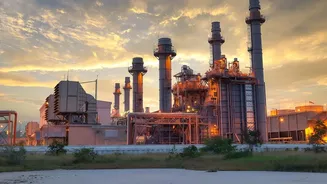
If renewable energy is growing so fast, why does coal still dominate? The simple answer is reliability. Solar and wind power are intermittent—they don't generate electricity when the sun isn't shining or the wind isn't blowing. Coal-fired power plants provide what is known as 'baseload' or 'dispatchable' power, meaning they can run 24/7 to provide a stable and predictable supply of electricity. This is crucial for maintaining grid stability for essential services like hospitals, industries, and homes. Currently, coal and lignite generate about 70-75% of India's electricity. Until large-scale battery storage becomes more widespread and affordable, coal acts as the essential backup that keeps the system running smoothly, especially during evening peak hours when solar power fades.
An 'And', Not an 'Or', Strategy
It's a mistake to view India's energy policy as a choice between coal and renewables. The current strategy is to pursue both simultaneously. India has made enormous strides in clean energy, ranking among the top countries globally for renewable capacity. As of mid-2026, non-fossil fuel sources, including large hydro and nuclear, account for over half of India's total installed power capacity. The country has ambitious targets to expand this further, aiming for 60% of installed capacity from non-fossil sources by 2035. However, a gap exists between installed capacity and actual generation. While non-fossil sources make up over 50% of capacity, their share of actual electricity produced is much lower, at around 25%, due to intermittency. The coal target is designed to fill this gap, ensuring energy security during this long-term transition.
Walking an Environmental Tightrope
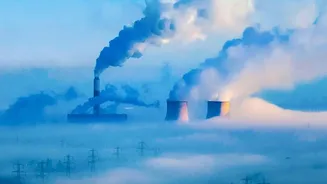
This dual-track approach creates a delicate balancing act. On one hand, expanding domestic coal production is framed as a move toward energy self-reliance, or 'Aatmanirbhar Bharat', reducing dependence on costly imports. On the other, it poses significant environmental challenges. Increased coal burning contributes to air pollution and puts pressure on water resources, issues already acute in many parts of India. It also complicates India's climate commitments, including its goal of achieving net-zero emissions by 2070. While the country's climate pledges are based on reducing emissions intensity (emissions per unit of GDP) rather than absolute emissions, a heavy reliance on coal makes the long-term path to decarbonisation more challenging and risks locking in carbon-intensive infrastructure.