






The Green Gold Rush
From Mumbai and Delhi to London and New York, matcha is everywhere. It’s in lattes, cakes, ice cream, and even cocktails. This trend isn't just on social media; it's backed by serious market growth. The global matcha market was valued at over USD 5 billion
in 2025 and is projected to grow steadily, with some analysts predicting it will reach nearly USD 9 billion by 2033. In India, the market is expanding at a remarkable pace, driven by urban café culture and a growing interest in wellness. Searches for 'how to make matcha' have surged by 1,300% in India over the past year, showing that interest is moving from cafés into homes. This worldwide craving, however, is running up against the physical limits of a very specialised agricultural system.
An Art That Can't Be Rushed
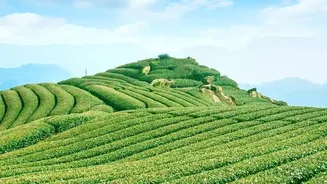
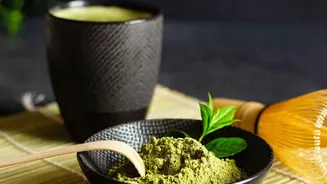
Producing high-quality matcha is a slow, painstaking art form perfected over centuries, primarily in regions like Uji, near Kyoto. Unlike standard green tea, the tea plants destined for matcha, called tencha, are shade-grown for several weeks before harvest. This process boosts chlorophyll and L-theanine levels, giving matcha its bright green colour and unique umami flavour. After harvesting, the leaves are steamed, dried, and meticulously de-stemmed and de-veined. Only the tender flesh of the leaf is then slowly stone-ground into a fine powder. This process is incredibly time-intensive and cannot be easily scaled up to meet sudden demand spikes. Expanding production isn't a matter of building a bigger factory; new tea bushes take around five years to mature enough to produce high-quality leaves.
A Generational Crisis on the Farm
The supply problem is not just agricultural; it's demographic. Japan's tea farming community is aging rapidly. The number of tea-producing households in Japan has plummeted in recent decades, with some figures showing a 77% collapse since 2000. Today, over 70% of the remaining farmers are over the age of 65. Younger generations are often drawn to urban careers, and few are willing to take on the demanding, labour-intensive work of tea farming. This creates a severe labour shortage, especially for the hand-picking required for top-tier ceremonial grade matcha. With fewer farmers to tend the fields, Japan's capacity to produce its most prized tea is shrinking, even as the world clamours for more.
The Squeeze on Quality and Price
When surging demand meets a constrained supply, prices inevitably rise. In recent years, auction prices for high-quality tencha leaves in Japan have skyrocketed, in some cases increasing by over 160% in a single year. This has a direct impact on the cost of your matcha latte. But the pressure isn't just on price; it's also on quality. The market is now divided between authentic, premium Japanese matcha and lower-grade powders, often from other countries, that are produced more quickly and cheaply. While these culinary-grade products fill the massive demand for food ingredients, the supply of high-end ceremonial matcha—the kind prized for its nuanced flavour—remains severely limited, creating concern about mislabelled or inferior products entering the market.
An Unpredictable Climate
Adding another layer of pressure is climate change. Tea cultivation is highly sensitive to weather. Japan has experienced soaring temperatures, erratic rainfall, and more frequent extreme weather events like typhoons. Record heatwaves have damaged tea bushes, reducing harvest yields by as much as 25% for some farmers. Unexpected frosts can ruin an entire crop of delicate, shade-grown leaves. These unpredictable conditions make it increasingly difficult for farmers to maintain consistent yields and quality, further tightening the already strained supply chain.