





A Landscape Under Stress
A recent scientific analysis has drawn a direct line between rising global temperatures and the growing instability of Nepal's high mountain slopes. The findings suggest that decades of human-induced climate change have intensified processes that weaken
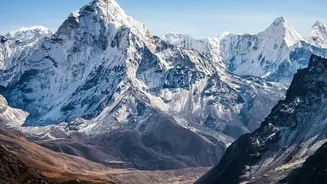
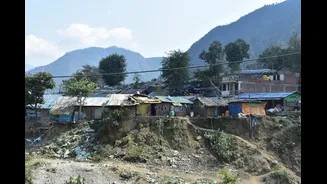
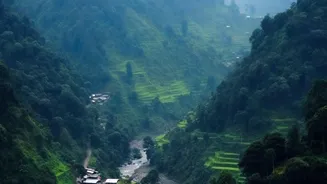
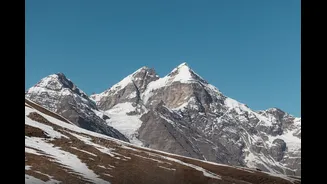
the structural integrity of the rock itself. Researchers concluded that while climate change might not be the sole cause of any single rockfall, its fingerprints are clearly visible in the long-term degradation of the mountain environment. This isn't just about melting ice; it’s about the fundamental geology of the 'rooftop of the world' being altered, creating conditions ripe for disaster in the narrow, populated river valleys below.
The Two-Fold Threat: Ice Loss and Thermal Shock
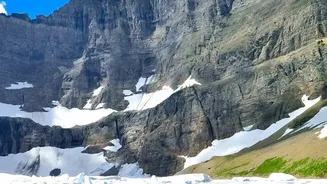
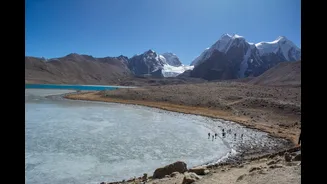
The weakening is happening in two primary ways. First, as glaciers shrink and retreat, they stop providing physical support to the steep rock walls they once held up—a process known as glacial debuttressing. Think of it like removing a supporting pillar from a wall; the structure left behind is inherently less stable. Second, the mountains are being subjected to a form of thermal shock. The freezing line—the altitude where temperatures stay below zero—is moving higher up the mountains by roughly 100 meters per decade. This exposes more rock to daily freeze-thaw cycles. Water seeps into cracks, freezes and expands overnight, and then melts during the day. This repeated wedging action gradually widens fractures, breaking the rock apart from the inside out.
The Peril of Thawing Permafrost
Compounding the problem is the thawing of permafrost. This perennially frozen ground, a mixture of soil, rock, and ice, acts like a natural cement, binding loose material together on steep slopes. As global warming pushes temperatures higher, this 'glue' is melting. Permanently frozen ground that has been stable for millennia is beginning to thaw, leading to a loss of cohesion in the rock mass. Scientists have described this as one of the clearest impacts of climate change on mountain stability, turning previously solid slopes into a more unpredictable and hazardous terrain. This makes the slopes more susceptible to collapses, rockfalls, and landslides, often without warning.
A Wake-Up Call for the Entire Region
While the study focuses on Nepal, its implications resonate across the entire Hindu Kush Himalaya region, including India. These mountains are the source of major river systems that provide water for nearly two billion people. The increasing frequency of geohazards like landslides and glacial lake outburst floods (GLOFs) poses a direct threat to downstream communities, infrastructure like hydropower plants, and regional stability. Events like the 2021 Chamoli disaster in Uttarakhand, which was also linked to a rock and ice avalanche, highlight that these are not isolated incidents but part of a growing trend. The findings from Nepal serve as a critical warning that the stability of these vital mountain ranges can no longer be taken for granted.