
The Appeal of Kitchen Cosmetics
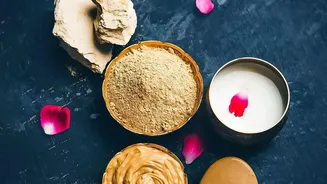
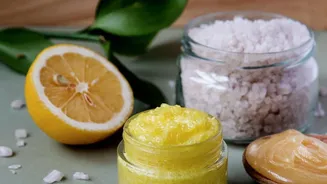
The internet is filled with recipes for homemade skin-brightening masks using everyday ingredients. Turmeric, lemon, yogurt, papaya, and honey are often celebrated for their potential to give skin a radiant glow. Turmeric's active compound, curcumin,
is known for its anti-inflammatory and antioxidant properties, which can help soothe irritated skin and even out skin tone. Lemon juice, rich in citric acid and Vitamin C, is often used for its brightening and exfoliating effects. Meanwhile, yogurt and milk contain lactic acid, a gentle exfoliant, while honey is a natural humectant that hydrates and has antibacterial benefits. The appeal is obvious: these ingredients are affordable, accessible, and feel more natural than many store-bought products.
Understanding the Risks of 'Natural' Ingredients
Just because an ingredient is natural doesn't mean it's automatically safe for your skin. Many dermatologists warn that DIY concoctions can be potent and potentially damaging if used incorrectly. Lemon juice is highly acidic and can disrupt your skin's pH balance, causing irritation and dryness. A more serious risk is phytophotodermatitis, a chemical burn that can occur when skin exposed to citrus juice is then exposed to sunlight, leading to painful blisters and dark spots. Turmeric, while beneficial, can cause allergic reactions in some individuals and is notorious for temporarily staining the skin yellow. Other popular DIY ingredients, like baking soda or cinnamon, can be overly harsh and strip the skin's protective barrier, leading to increased sensitivity and irritation.
The Golden Rule: Always Patch Test
Before you slather any new mixture on your face, a patch test is non-negotiable. This simple step helps you determine if your skin will have an adverse reaction to the ingredients. To perform one, apply a small amount of the mask to a discreet area of skin, like behind your ear or on your inner arm. Leave the product on for as long as you would a normal face mask, or up to 24-48 hours if possible, to check for a delayed reaction. If you experience any redness, itching, burning, or other signs of irritation, wash the area immediately and do not apply the mask to your face. This is especially crucial for those with sensitive skin.
Smart Application and Formulation
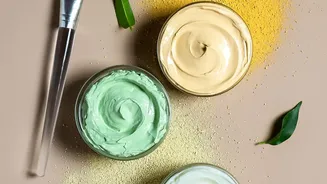
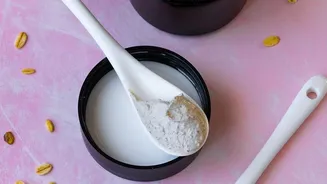
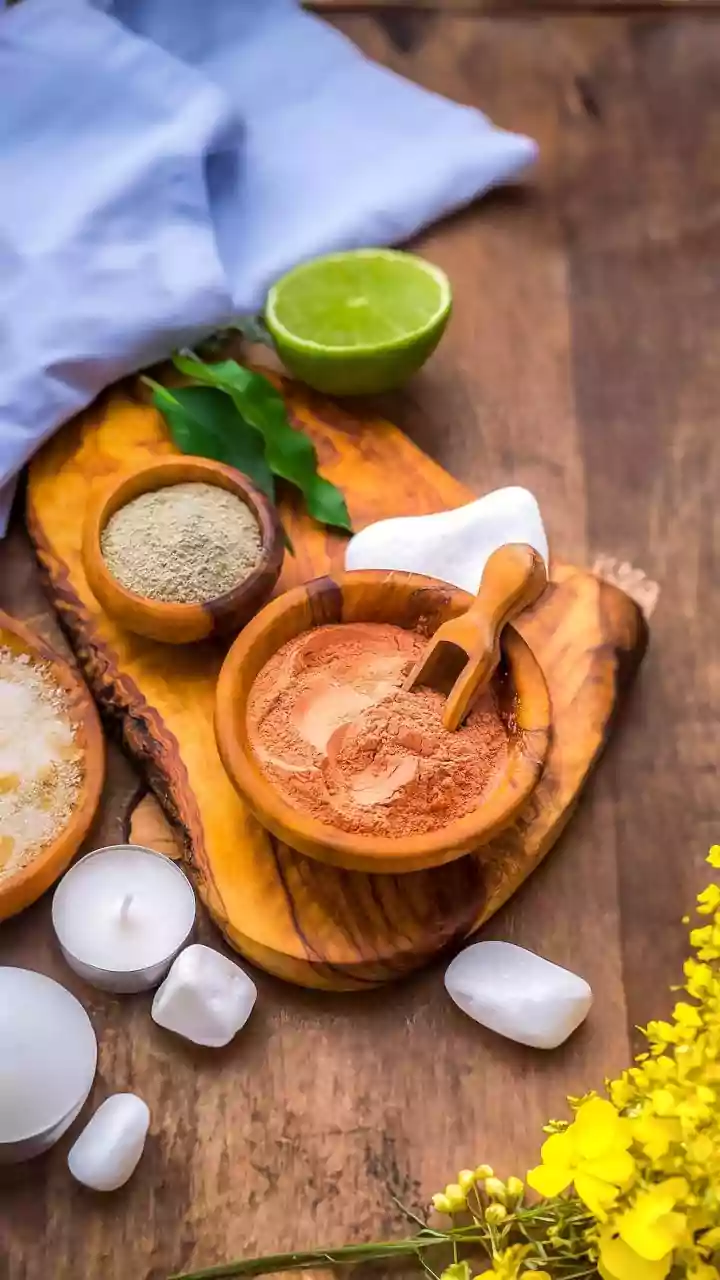
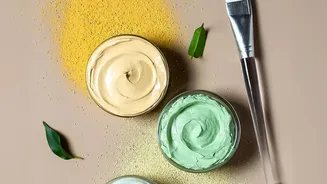
How you mix and apply your mask is just as important as what's in it. When using potent ingredients like lemon juice, always dilute them with other, more soothing substances like honey, yogurt, or water to reduce the risk of irritation. For a basic brightening mask, you could mix turmeric powder with lemon juice and honey or yogurt to create a paste. Apply the mixture to a clean face, avoiding the delicate skin around your eyes. Use clean fingers or a brush for an even application. Some recipes suggest adding chickpea flour (besan), which can help exfoliate and also prevent turmeric from staining your skin.
Less Is More: Frequency and Duration
Overdoing it is a common mistake with DIY skincare. Most homemade masks, especially those with exfoliating or acidic ingredients, should not be left on for more than 15-20 minutes. If you feel any burning or significant tingling, you should remove the mask immediately. As for frequency, using these types of masks once a week is generally considered a safe starting point. Using them too often can strip the skin's natural oils and compromise its protective barrier, leading to dryness, sensitivity, and even breakouts. Pay attention to how your skin responds and adjust your routine accordingly. If you see signs of irritation, it's best to decrease your frequency.
When to Stop and See a Professional
Signs of irritation include redness, peeling, rashes, and a raw or tight feeling. If you experience any of these symptoms after using a homemade mask, the first step is to rinse the area thoroughly with cool water and apply a gentle, soothing moisturizer. If the irritation is severe or persists, it is best to consult a dermatologist. They can help identify the cause of the reaction and recommend products and treatments that are suited for your specific skin type and concerns. For ongoing issues like hyperpigmentation or acne scars, professional treatments are often safer and more effective than DIY remedies.