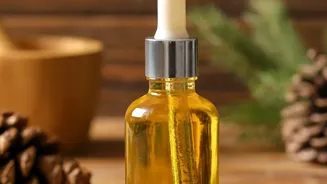








The Age-Old Allure of Castor Oil
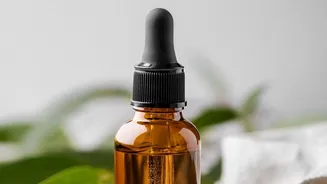
From social media feeds to conversations with friends, castor oil is frequently recommended as a go-to remedy for achieving longer, thicker hair. This thick, viscous oil, derived from the seeds of the Ricinus communis plant, has a long history in traditional
medicine and beauty, dating back to ancient Egypt. Its modern popularity is fueled by countless anecdotal reports and before-and-after photos suggesting it can spur hair to grow faster and fuller. The appeal is understandable: it’s an accessible, affordable, and natural option. Many users believe its rich texture and nourishing properties are the secret to unlocking their hair’s potential, creating a strong word-of-mouth reputation that keeps the trend alive.
The Reality: What Science Says About Hair Growth
Despite its widespread popularity, there is no strong scientific evidence or clinical trial data to prove that castor oil directly stimulates or speeds up hair growth. Dermatologists and researchers consistently point out this critical gap between anecdotal claims and clinical proof. While some theories suggest the oil's main component, ricinoleic acid, could influence scalp circulation or certain biological pathways related to hair, these ideas are not yet supported by robust human studies. A systematic review of hair oils found only weak evidence that castor oil could improve hair luster, with no strong evidence to support its use for hair growth. Therefore, any perceived increase in length is more likely due to other factors.
The Proven Benefit: Shine, Moisture, and Less Breakage
So, where does castor oil actually deliver? Its true strength lies in its conditioning properties. The oil is a powerful emollient and occlusive, meaning it coats the hair shaft and seals in moisture. This action smooths the hair cuticle, which makes strands appear shinier, feel softer, and become more manageable. By improving hair's flexibility and reducing moisture loss, castor oil can help minimise breakage. When hair breaks less, it can retain its length, which may give the appearance of faster growth over time. For those with dry, brittle, or coarse hair, it can be an effective and deeply moisturising treatment that leaves hair looking healthier and more lustrous.
The Power of Ricinoleic Acid
About 90% of castor oil is composed of ricinoleic acid, a unique fatty acid responsible for its thick consistency and many of its benefits. Ricinoleic acid has known anti-inflammatory and antimicrobial properties. When applied to the scalp, these properties can help soothe irritation, reduce dryness and flaking, and support a healthier overall scalp environment. Some lab studies suggest it may influence prostaglandins, which are compounds involved in inflammation and blood flow, but this doesn't automatically translate to regrowing hair. While a healthy scalp is crucial for healthy hair growth, ricinoleic acid does not override genetic or hormonal causes of hair loss.
Potential Risks and How to Use It Safely
While generally safe for topical use, castor oil isn't without potential downsides. Its thick, sticky nature can be difficult to wash out, leading to product buildup that can clog pores or weigh hair down. Some people may experience allergic reactions like contact dermatitis, so performing a patch test on your skin before applying it to your entire scalp is always a good idea. A rare but severe side effect is acute hair felting, where the hair becomes irreversibly matted into a hard mass, requiring it to be cut off. To use it safely, consider diluting the thick oil with a lighter carrier oil like coconut or jojoba for easier application and removal. Apply it sparingly as a pre-shampoo treatment for 30-60 minutes rather than leaving it on overnight.