



A Groundbreaking Bloom
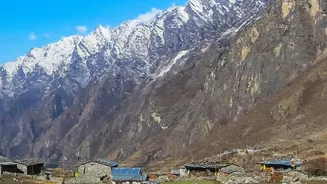
In the high-altitude cold desert of Ladakh, a significant agricultural experiment is underway. Twin flower fields, situated at an elevation of around 10,600 feet in Choglamsar and Stakna in the Leh district, now house over 25 lakh flowering plants. Inaugurated
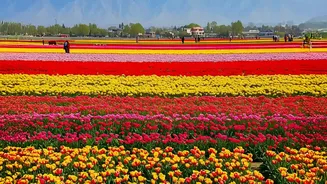
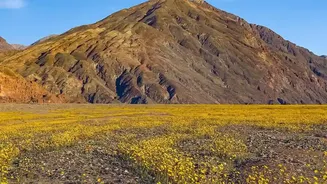
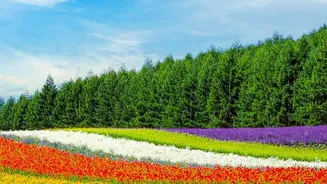
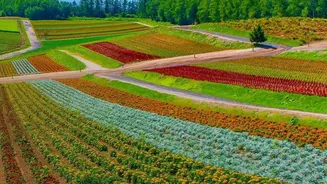
in September 2026 by Lieutenant Governor Vinai Kumar Saxena, this project marks one of the most ambitious forays into commercial floriculture for the region. The fields, covering approximately 40 acres, are dominated by around 24 lakh Lilium plants and one lakh Gladiolus plants, turning patches of the rugged landscape into a vibrant tapestry of colour. This initiative represents more than just a visual transformation; it's a calculated move to demonstrate that high-value ornamental flowers can thrive in Ladakh's challenging climate and provide a sustainable new income stream for its farmers.
The Science of High-Altitude Floriculture
This colourful revolution is backed by scientific expertise. The Council of Scientific and Industrial Research - Institute of Himalayan Bioresource Technology (CSIR-IHBT) in Palampur has provided crucial technical support for the project. A Memorandum of Understanding between the Ladakh Agriculture Department and CSIR-IHBT ensures that modern cultivation technologies are blended with local farming knowledge. Ladakh’s unique climate, often seen as a challenge with its cold, dry weather and intense sunshine, is proving to be an advantage for certain flower species like Lilium, which perform exceptionally well in cooler conditions. The project at Choglamsar is being developed as a model centre for scientific floriculture, with plans to showcase Tulips and other ornamental varieties alongside the existing Lilium and Gladiolus.
Economic Diversification and Livelihoods
For generations, Ladakh's economy has largely rested on traditional agriculture, pastoralism, and, more recently, a booming tourism sector. This project aims to broaden that base significantly. The administration's vision is to position Ladakh as a hub for premium floriculture, tapping into lucrative national and international flower markets. The economic model is designed for community benefit. Initially, the Agriculture Department manages cultivation, but once the flowers are in bloom, the produce and its management are transferred to local Self-Help Groups (SHGs) and cooperatives. This structure aims to empower local communities, particularly women, by creating new avenues for entrepreneurship and employment. For instance, the initial harvesting and packaging process at Choglamsar engaged 15 local women, who earned a daily wage of around Rs 900 each.
From Field to Market
The project achieved a major milestone in late September 2026, when the first commercial air consignment of 15,000 'A-grade' Lilium stems was flagged off from Leh's Kushok Bakula Rimpochee Airport. These premium flowers, defined as stems carrying four to five buds, were destined for major markets in Delhi, Mumbai, and Chandigarh, where they can fetch high prices. This successful shipment demonstrated the viability of the supply chain, a critical component for connecting Ladakh's remote farms to bustling urban markets. The long shelf life of the flowers, around five to seven days, further enhances their marketability. The plan is for cooperatives to take over commercial cultivation and marketing from the second year, with ongoing training and support from the administration.
A Budding Future and New Frontiers
The success of the floriculture initiative is already inspiring further agricultural diversification. Building on this momentum, the Ladakh administration has launched a pilot project for cultivating high-value saffron, planting nearly 90,000 premium Iranian corms on previously barren land. This experiment, like the flower project, aims to turn degraded land into productive assets and open up another high-income avenue for farmers. The flower fields themselves are also being envisioned as agri-tourism destinations, attracting visitors and filmmakers who can contribute further to the local economy. With plans to replicate the floriculture model across other districts like Kargil and Zanskar, this 25-lakh-flower project may just be the beginning of a widespread agricultural and economic rejuvenation in Ladakh.