





First, What Is Creatine?
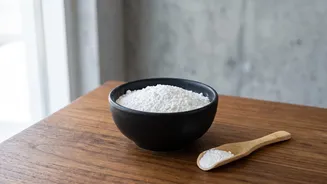
Before diving into the new research, it's helpful to understand what creatine is. It's not a synthetic substance but a naturally occurring compound made of amino acids. Your body produces it, and you also get small amounts from foods like red meat and fish.
Its primary role is to help regenerate your body's main energy molecule, adenosine triphosphate (ATP). Think of it as a rapid-recharge system for your cells, especially during short, intense bursts of activity. For decades, it has been one of the most popular and well-researched supplements for athletes and gym-goers looking to improve performance, strength, and muscle growth.
A Surprising New Finding
The headline comes from a recent 12-week study at Texas A&M University that looked at healthy adults aged 45 to 65. The study had two main arms: one group that participated in a structured exercise and diet program, and another that did not. Within each arm, participants were randomly given either creatine monohydrate or a placebo. The most eye-catching result came from the non-exercising group. Those who took creatine without changing their lifestyle still gained approximately 2.4 pounds (about 1.1 kg) of lean tissue over 12 weeks. They also showed improvements in their bench press and leg press strength.
How Could This Work?
The idea that a supplement can build muscle without the stimulus of training seems counterintuitive. However, researchers have theories. Some studies suggest creatine may have an anti-catabolic effect, meaning it helps reduce muscle protein breakdown. In situations of muscle disuse, such as when a limb is immobilized in a cast, some research has found that creatine supplementation can help lessen the loss of muscle mass and strength. The supplement helps maintain the energy reserves within muscle cells, which might be enough to preserve tissue and function even in the absence of active training. Other studies have also pointed to its potential role in reducing muscle loss in various disease states.
The Important Context: Not a Miracle Pill
While the results are fascinating, it is crucial to put them in perspective. This was a small study, and even the researchers noted that the findings should be interpreted with caution. The gains seen in the non-exercising group were modest compared to the group that combined creatine with exercise. Participants who exercised and took creatine saw even greater gains in strength and lean mass, while also losing more body fat than the group that only exercised. In fact, this was reportedly the first study to show that adding creatine to a weight-loss program could reduce body fat percentage more effectively than diet and exercise alone. The primary, proven benefit of creatine remains its ability to amplify the results of an active training program.
So, Who Might Benefit Most?
The findings are particularly relevant for specific populations. For middle-aged and older adults, preventing age-related muscle loss (sarcopenia) is a major health concern, and creatine could be a useful tool in this fight. The study suggests that even without a structured program, it might help preserve a baseline of muscle and strength. This could also apply to individuals who are unable to exercise due to injury, illness, or immobilization. Research on people with immobilized limbs has shown that creatine can attenuate the expected loss of muscle and strength during recovery. It’s a tool for preservation as much as for growth.