





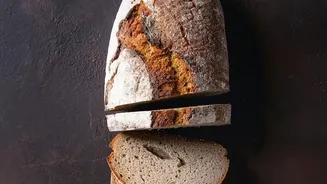
The Loaf That Launched a Thousand Posts
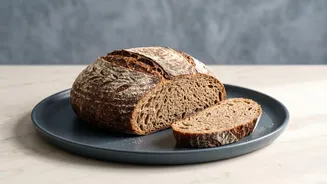
In the heart of SoHo, a neighborhood not known for bargains, the Austrian bakery chain Martin Auer opened its first U.S. location, named Rye. It quickly became the subject of viral social media posts, news articles, and city-wide debate for selling a single
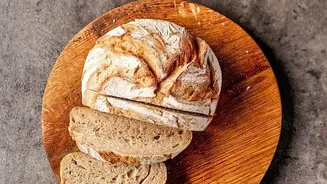
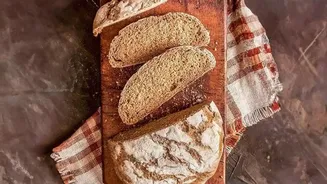
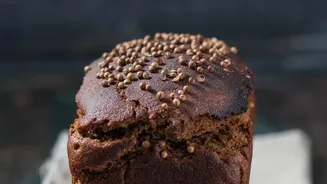
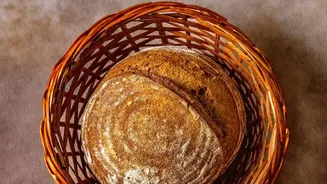
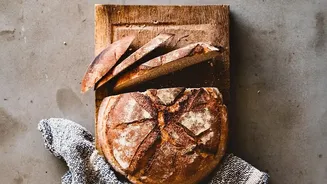
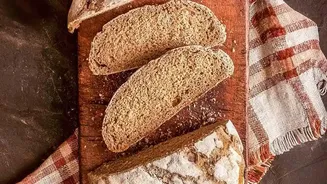
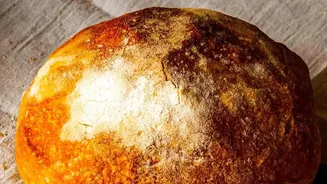
3.3-pound loaf of 100% rye sourdough for $60. The bakery, an extension of a family business with four generations of history, focuses almost exclusively on this one product, made from just water, salt, and organic rye flour imported from Austria. While customers lined up, intrigued by the novelty and the story, the price tag sparked a firestorm of discussion about affordability, luxury, and the very definition of bread.
The Anatomy of a Sixty-Dollar Bread
So, what exactly goes into a loaf of bread that commands such a price? According to the bakery’s owners, the cost is a reflection of craft, location, and ingredients. The process is labor-intensive: the sourdough starter, which is over 50 years old, must be “fed” daily, followed by a 24-hour fermentation period for the dough itself. After baking, the massive loaves must rest for another 12 hours before they can be sold. Add to that the high cost of operating in a prime SoHo storefront and importing specialty organic flour from Austria, and the justification begins to form. The owners argue they are selling not just a food item, but a piece of their baking legacy in a city that is famously expensive. The same loaf, for comparison, sells for around $16 in the chain's Austrian locations.
An Olive Branch or Clever Marketing?
The introduction of a $30 half-loaf and a $15 quarter-loaf is a fascinating twist in this story. On one hand, it lowers the barrier to entry, allowing more curious foodies to try the viral product without committing to the full $60 experience. It makes an exclusive item feel slightly more attainable. On the other hand, it's a classic luxury marketing strategy. By offering a smaller, less expensive version, the brand can widen its customer base and generate more revenue without diluting the prestige of its signature product. The $60 price tag generates the buzz, but the smaller, more accessible options may ultimately drive sales, turning social media curiosity into actual transactions. The bakery also offers single slices with various toppings, starting from around $6, further expanding its reach.
Bread as a Status Symbol
Ultimately, the $60 loaf—and its $30 half—is about more than just sustenance. It’s a conversation piece, a status symbol, and a prime example of the “little treat economy,” where consumers, particularly younger generations, justify small, expensive luxuries when larger financial goals feel out of reach. The discussion around the bread has been fierce, with some defending it as a celebration of artisanal craft and others decrying it as a symbol of out-of-touch elitism. One competitor, the discount grocer Lidl, even parked a truck outside the bakery advertising its own $3.99 bread. Meanwhile, other respected New York bakers have noted that while the process is intensive, it’s not entirely unique, pointing out that their own complex sourdoughs sell for a fraction of the price. The hype suggests that for many, the purchase is not just about the taste, but about participating in a cultural moment.