






A Pride Under Pressure
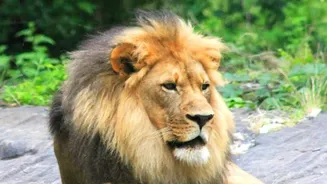
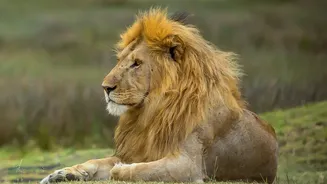
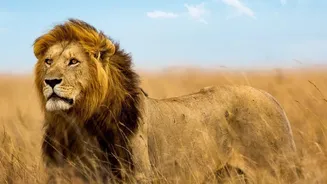
The story of the Asiatic lion is one of remarkable recovery. From a perilous low of just a few dozen individuals a century ago, their numbers have rebounded to nearly 700, thanks to dedicated conservation efforts. However, this success has created a new
challenge: all the lions are concentrated within the Gir landscape. This puts the entire species at immense risk. A single disease outbreak, a large-scale forest fire, or any other natural calamity could have a devastating impact on the world’s only wild population. This concentration also leads to increased human-lion conflict as the growing population spills out of the protected area into surrounding villages and farmlands. The need for a second, geographically separate home has been a conservation priority for years to mitigate these risks and ensure the lion's long-term survival.
Why Barda Was Chosen
Located about 100 kilometres from Gir Forest, the Barda Wildlife Sanctuary was identified as the most promising site for a second lion population. The sanctuary, spanning a hilly and forested terrain of around 192 square kilometres, has a historical connection to the species; lions roamed these very hills until the late 19th century. Its terrain and vegetation are similar to Gir's, making it a suitable habitat. Under 'Project Lion', a comprehensive conservation initiative by the Government of India, Barda was officially designated as the second home. The choice of Barda keeps the lions within their home state of Gujarat, which considers the animal a symbol of its cultural heritage and pride. The proximity also allows for the potential of a natural corridor between Gir and Barda, facilitating genetic exchange between the two populations in the future.
Preparing a Royal Residence
Turning Barda into a safe haven for lions has been a meticulous process. For over a decade, the Gujarat Forest Department has been actively managing the habitat to support a predator population. The most crucial step has been increasing the prey base. Large numbers of herbivores, such as spotted deer, sambar, and nilgai (blue bull), have been translocated into the sanctuary to ensure a steady food supply for the lions. This prevents them from straying into human settlements in search of livestock. Additionally, significant efforts have been made to remove invasive plant species and improve water sources to create a thriving ecosystem. Check dams have been built to ensure year-round water availability, and grasslands have been managed to support a robust herbivore population, setting the stage for the lions' arrival.
The Lions Begin to Arrive
The 'emerging' status of Barda as a lion home is not just a plan on paper; it is becoming a reality. In a significant natural development, lions have begun to explore the Barda landscape on their own. A few individuals, mostly young males dispersing from the core Gir population, have been radio-collared and tracked moving into the sanctuary. This natural migration is a hugely encouraging sign, indicating that the habitat is ready and the corridor, though fragmented, is functional. These pioneering lions are the first step. The forest department is now monitoring these animals closely, allowing them to establish territory naturally. This 'soft' introduction, led by the animals themselves, is often seen as more successful than a hard translocation where animals are simply captured and released into a new environment.
A Blueprint for the Future
The establishment of a lion population in Barda is more than just a local success; it's a new blueprint for large carnivore conservation in India. It demonstrates a proactive approach to managing a growing predator population by creating new habitats rather than simply containing them. This model helps reduce human-wildlife conflict and ensures genetic diversity. As the Barda population grows, it will function as a vital insurance policy for the species. The long-term vision is to have a self-sustaining population of at least 40 to 50 lions in the Barda landscape. This will secure the future of the Asiatic lion, a species that India single-handedly brought back from the brink of extinction. The success at Barda provides valuable lessons for other conservation projects across the country.