







The Enemy in Your Freezer: What Is Freezer Burn?
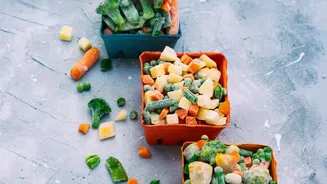
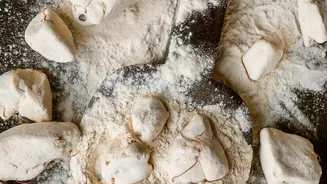
That frosty coating and those shrivelled, discoloured patches on your vegetables have a name: freezer burn. It isn’t a burn in the traditional sense, but a form of dehydration. When frozen food is exposed to the dry, cold air of the freezer, the water
molecules within the food escape and turn into ice crystals on the surface. This process, known as sublimation, leaves the vegetables dry, tough, and with a woody texture. While freezer-burned food is safe to eat, its quality is significantly compromised, affecting both taste and texture. The primary cause is improper packaging that allows air to come into contact with the food.
Why an Open Bag Is a Recipe for Waste
Simply rolling down the top of a bag of frozen vegetables and hoping for the best is a common mistake. Those flimsy plastic bags are rarely resealable and offer poor protection once opened. Every time you open the freezer, the temperature fluctuates, encouraging moisture to leave the vegetables and form more ice crystals. Air getting into the bag not only causes freezer burn but can also lead to a slight loss of nutrients, particularly vitamins like C and B. Over time, this exposure turns a bag of vibrant, nutritious vegetables into a clump of bland, icy disappointments, ultimately leading to food and money wasted.
The Art of a Perfect Seal
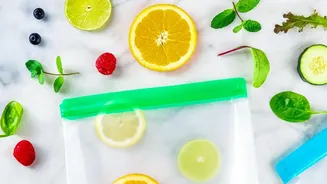
To protect your frozen assets, creating an airtight seal is non-negotiable. The goal is to remove as much air as possible before sealing. Squeezing the air out of the bag is a crucial first step. For a simple fix, use binder clips, rubber bands, or dedicated bag clips to secure the rolled-down bag tightly. A clever DIY trick involves cutting the top off a plastic bottle, feeding the bag opening through it, folding the plastic over the edges, and screwing the cap on for an easy-pour spout and a tight seal. For a more robust solution, transfer the vegetables to a zip-top freezer bag, pressing out all the air, or into an airtight glass container. The gold standard for preventing freezer burn is a vacuum sealer, which removes nearly all air before creating a perfect seal.
Work Smarter: Portion Before You Freeze
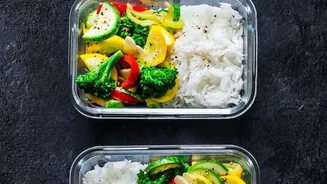
Instead of repeatedly opening and resealing a large family-sized bag, consider portioning from the start. When you bring home a large bag of peas, corn, or mixed vegetables, divide the contents into smaller, meal-sized freezer bags or containers. This has two major benefits. First, it minimises the main bag's exposure to air and temperature fluctuations, preserving the bulk of your purchase. Second, it makes cooking more efficient, as you can grab exactly what you need without fuss. Remember to label each portion with the date to ensure you use the oldest ones first, keeping your freezer stock fresh and organised.
Using Every Last Bit
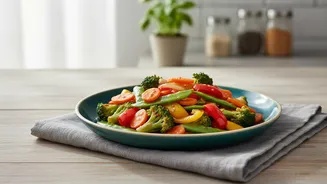
Even with the best storage methods, you might end up with small, odd amounts of different vegetables. Don't let them go to waste! These leftovers are perfect for adding a nutritional boost to a variety of dishes. Toss a mixed handful into your next batch of fried rice, poha, or upma. Blend them into soups, stews, or a rich vegetable curry for added body and flavour. They can also be mixed into omelettes, frittatas, or savoury batters for vegetable fritters. Creating a 'leftover' bag where you combine all the small amounts can result in a unique vegetable mix for a future stir-fry or pulao.