

The Countertop Champions
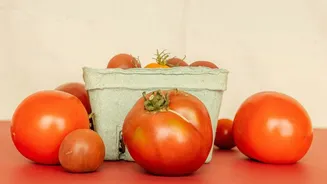
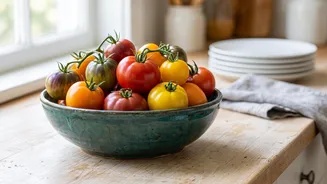
Some of the most common kitchen staples are also the most frequently misplaced. Tomatoes, for instance, suffer greatly in the cold. Refrigeration breaks down their cell walls, leading to a mushy texture, and permanently halts the enzymes that create their beloved
tangy flavour. Unless a tomato is perfectly ripe and you need to buy an extra day or two, it belongs on the counter. Similarly, potatoes and onions thrive in a cool, dark, and dry place with good air circulation, like a pantry. The cold temperature of a fridge causes a potato's starch to convert into sugar, resulting in a gritty texture and an unpleasantly sweet taste when cooked. Onions, meanwhile, can become soft and mouldy in the fridge's moisture. It's also crucial to store potatoes and onions separately. Onions release ethylene gas, which accelerates spoilage in potatoes.
The Ripeness Factor
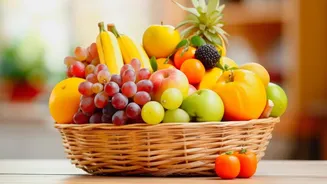
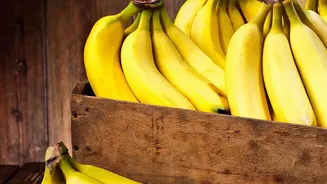
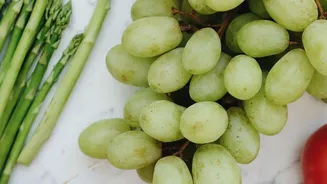
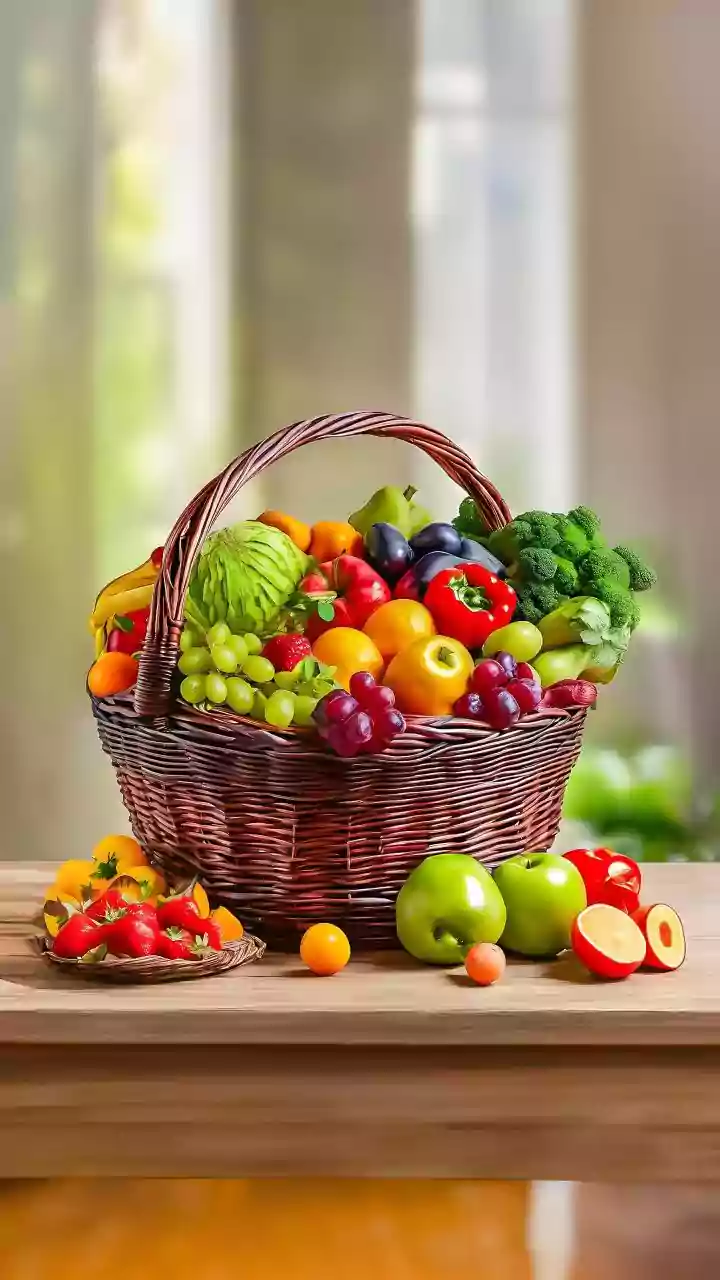
For many fruits, the question isn't just fridge or counter, but when. Fruits are generally categorized as either climacteric or non-climacteric. Climacteric fruits—like bananas, avocados, peaches, and mangoes—continue to ripen after being harvested. They produce a natural plant hormone called ethylene gas, which drives the ripening process. These fruits should be left at room temperature to develop their full flavour and sweetness. An unripe avocado or a green banana will never ripen in the cold; the process will simply stop. Once they reach your desired level of ripeness, moving them to the refrigerator can slow down further ripening and extend their life for a few more days. Non-climacteric fruits like citrus, grapes, and berries do not ripen after being picked. They are best stored in the refrigerator soon after purchase to maintain their freshness and prevent spoilage.
When the Fridge Is the Enemy
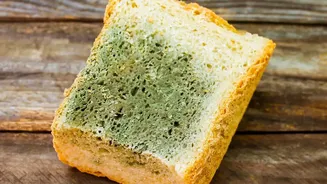
Beyond produce, several other pantry items suffer from cold storage. Bread is a prime example. While many people refrigerate bread to prevent mould, the cold environment actually causes it to go stale much faster. The cold temperatures accelerate a process called starch retrogradation, which dries out the bread. For short-term storage, a bread box or paper bag at room temperature is best. For longer storage, freezing is the ideal solution, as it locks in freshness without causing staling. Coffee, whether in bean or ground form, is another item to keep out of the fridge. It readily absorbs odours from surrounding foods, which can ruin its flavour profile. The constant temperature changes from taking it in and out can also create condensation, which degrades the quality of the coffee oils. The best place for coffee is in an airtight container in a cool, dark cupboard.
Smarter Refrigeration Habits
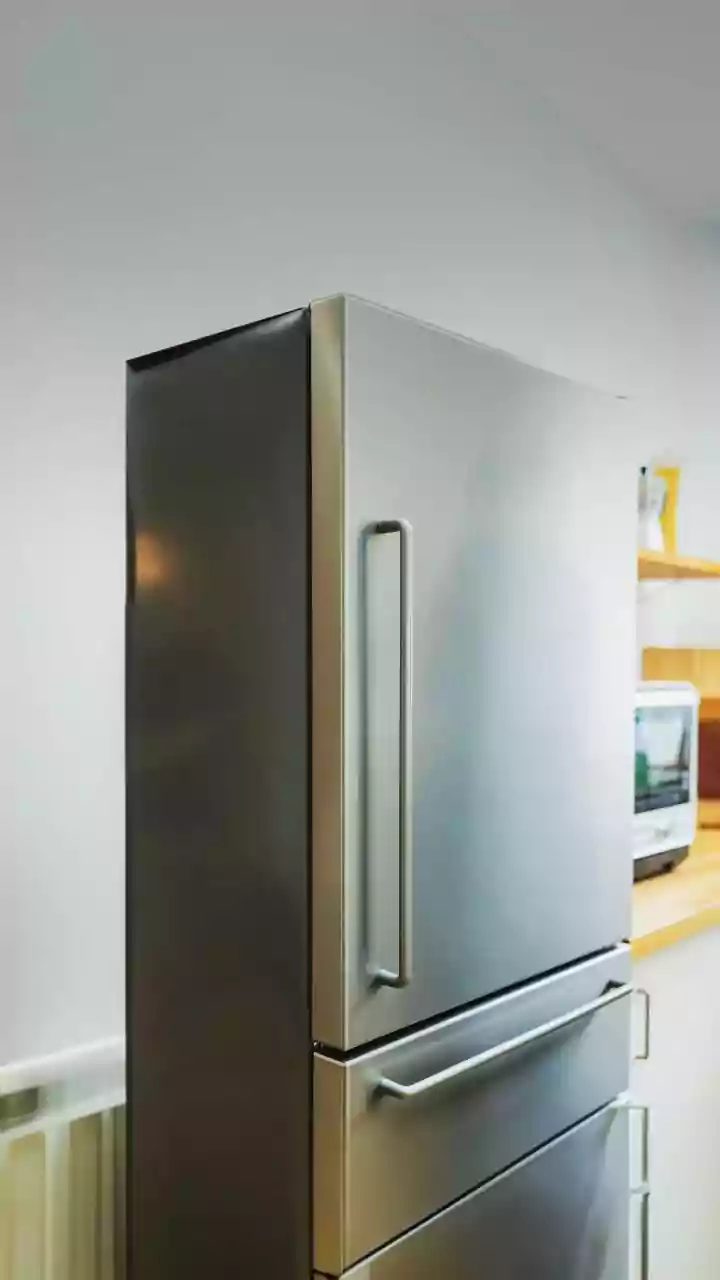
Even for foods that belong in the fridge, how you store them matters. Overcrowding can block the flow of cold air, creating warm spots where bacteria can thrive. Using the right compartments is also key. The refrigerator door is the warmest part, making it suitable for condiments but not for perishables like milk and eggs. Use the designated crisper drawers for fruits and vegetables, as they are designed to maintain optimal humidity levels. Keep older items towards the front so they are used first, a simple strategy that helps prevent food from being forgotten and ultimately wasted. By developing a few mindful habits, you can ensure your food stays safe and delicious for as long as possible.