




Meet the Grains
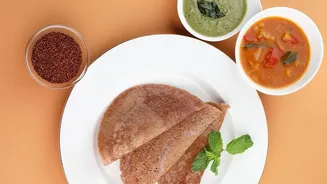
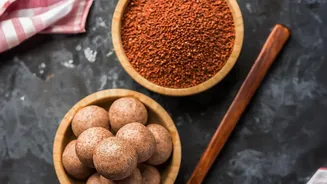
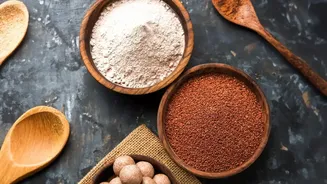
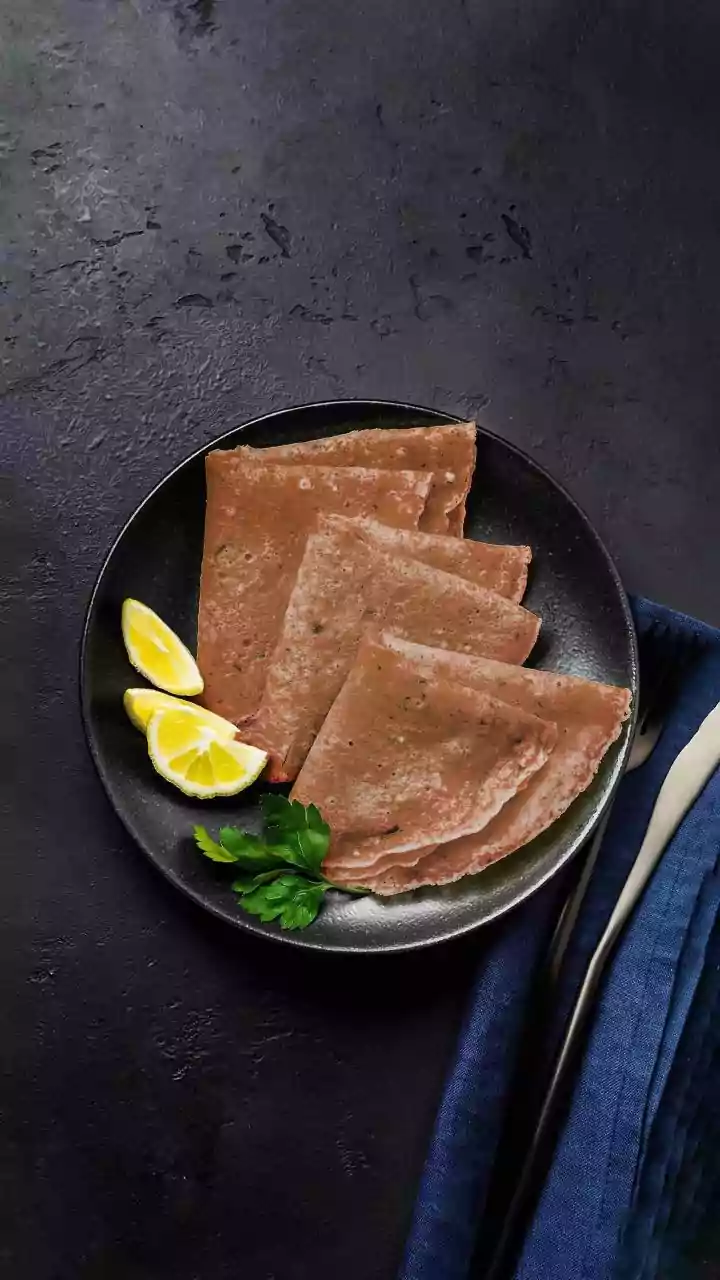
In one corner, we have Ragi (finger millet), a humble, rustic grain that has been a staple in South Indian households for centuries. Known for its resilience and earthy flavour, ragi has nourished generations in the form of rotis, dosas, and porridge.
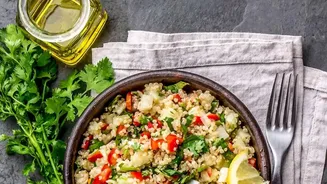
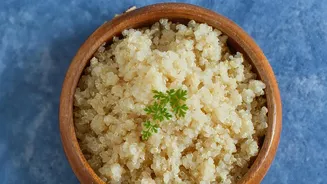
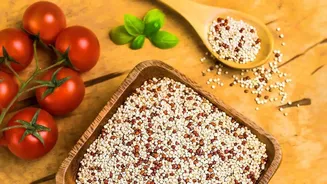
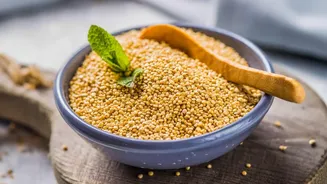
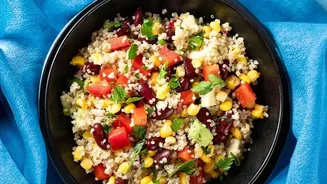
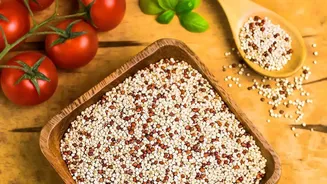
In the other corner is Quinoa, a seed hailing from South America that has taken the global health scene by storm. Praised for its versatility and impressive protein profile, quinoa has become a go-to for salads, bowls, and as a rice substitute. Both are gluten-free and celebrated for their health benefits, but how do they really stack up when we look at the numbers?
The Mineral Showdown
The headline asks about iron and minerals, so let's get straight to it. When comparing 100 grams of uncooked grain, quinoa takes the lead in iron content, offering approximately 4.6 mg to 7.5 mg, depending on the source. Ragi provides a respectable 3.9 mg to 4.62 mg of iron, a crucial mineral for preventing anaemia. However, the story flips dramatically when we look at calcium. Ragi is an undisputed champion, packing an incredible 344 mg to 364 mg of calcium per 100g. This is one of the highest levels found in any cereal, making it exceptional for bone health. Quinoa, by comparison, contains a modest 47 mg to 198 mg of calcium. Ragi also generally contains more magnesium than quinoa.
Protein and Fibre Facts
While minerals are key, protein and fibre are major players in a grain's health profile. Here, quinoa has a distinct advantage. It is a 'complete protein', meaning it contains all nine essential amino acids, which is rare for a plant-based food. Quinoa provides about 13-14 grams of protein per 100g, nearly double that of ragi, which contains around 7 grams. This makes quinoa an excellent choice for vegetarians and vegans looking to boost their protein intake. When it comes to dietary fibre, which is vital for digestive health and feeling full, the two are more closely matched. Ragi contains about 11 grams of fibre per 100g, while quinoa contains around 7-14 grams, depending on the variety and analysis.
Blood Sugar and Glycemic Index
For individuals managing blood sugar levels, both grains are good options. They have a low to medium glycemic index (GI), which means they release sugar into the bloodstream slowly, preventing sharp spikes. Ragi's high fibre content is particularly beneficial for improving insulin sensitivity. Similarly, quinoa's combination of protein and fibre contributes to better blood sugar control. This makes both grains a smarter choice than refined grains like white rice or maida for everyday meals.
The Verdict: Price, Practicality, and Purpose
So, which grain should you choose? There is no single winner, as the 'better' option truly depends on your personal health goals and budget. If your primary concern is boosting calcium intake for bone health, ragi is the undeniable superstar and is significantly more affordable and locally available in India. It is a sustainable and traditional choice that supports local farmers. If you are focused on maximizing protein intake, especially a complete protein source, quinoa is an excellent, albeit more expensive, option. Ultimately, a balanced approach might be best. Using ragi for everyday meals like rotis and porridge and incorporating quinoa into salads or pulaos for a protein boost can give you the best of both worlds.