






What is Bleisure, and Why Now?
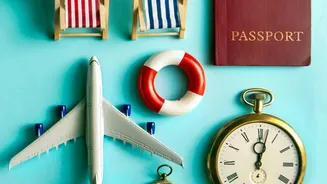
Bleisure, a portmanteau of 'business' and 'leisure', is the practice of extending a work trip for personal enjoyment. An employee might fly to a different city for a three-day conference and then stay for the weekend to sightsee, often on their own dime.
This isn't a new concept, but its popularity has surged. The rise of flexible and remote work has blurred the lines between the office and home, making it easier to justify working from a hotel for a day before officially starting a vacation. For many, especially younger professionals, the opportunity to explore a new destination on the company's travel budget is a significant perk. In India, the trend is particularly strong, with reports showing that Indian professionals are embracing bleisure at a rate higher than the global average.
The Undeniable Appeal
The benefits of bleisure are compelling for employees. It offers a cost-effective way to travel; since the company often covers flights and transport, the employee only pays for the extra nights and personal expenses. This makes visiting otherwise expensive destinations more accessible. It also helps combat travel fatigue and burnout. Instead of viewing a business trip as a stressful disruption, it becomes an opportunity for cultural immersion and relaxation. By tagging on a few personal days, professionals can reduce the need to take long blocks of annual leave later, allowing for more frequent, shorter breaks to recharge.
A Smart Move for Employers
Companies are increasingly encouraging this trend, and not just out of generosity. Offering bleisure opportunities has become a powerful tool for talent attraction and retention. In a competitive job market, perks that support work-life balance and employee well-being are highly valued. Employers recognise that a well-rested and culturally enriched employee is often a more creative and productive one. Allowing for bleisure travel demonstrates a level of trust and respect for an employee's personal time, which can significantly boost morale and job satisfaction. The result is often a happier, more loyal workforce that is less prone to burnout.
The Challenge of the Blurred Line
However, the convenience of bleisure comes with a significant challenge: the inability to truly disconnect. When a vacation is attached to a work trip, the mental boundary between 'on' time and 'off' time can dissolve. It becomes incredibly tempting to check emails during your leisure days, especially when you know your colleagues are still working. The constant buzz of notifications can follow you from the conference room to the museum, preventing the full psychological detachment needed for genuine rest. This 'always-on' mentality can mean that the leisure portion of the trip feels less like a vacation and more like a long, scenic work day, potentially negating the very anti-burnout benefits it's supposed to offer.
Making Bleisure Actually Leisurely
Successfully navigating bleisure travel requires intention and discipline. The key is to create firm boundaries. This starts with clear communication. Before your trip, inform your team of the exact dates you will be unavailable and delegate urgent tasks. Set up a clear out-of-office auto-reply that manages expectations about your response time and directs colleagues to the right person for immediate issues. When your leisure time begins, make a conscious effort to disconnect. Turn off push notifications for work apps or move them into a separate folder on your phone. If possible, avoid scheduling your return to the office for the very next morning; give yourself a 're-entry' day to catch up on emails and plan your week without feeling overwhelmed.