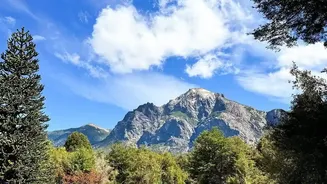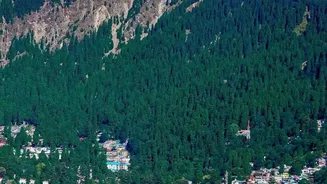




An Engineering Marvel Through Nature
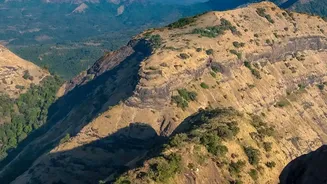
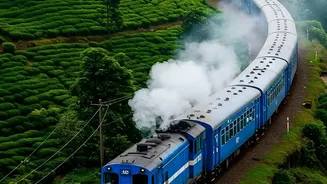
Stretching over 740 kilometres from Maharashtra to Karnataka, the Konkan Railway is a testament to modern Indian engineering. It navigates the challenging terrain of the Western Ghats, a region of rugged mountains and dense forests. The route features
more than 2,000 bridges and over 90 tunnels, weaving through a landscape that was once considered nearly impossible for a direct railway line. This single-track line connects bustling cities like Mumbai and Mangalore, passing through the coastal states of Maharashtra, Goa, and Karnataka. The journey itself, which takes about 16 to 20 hours end-to-end, has become as much of a destination as the places it connects.
The Monsoon Journey: A Lush, Dramatic Paradise
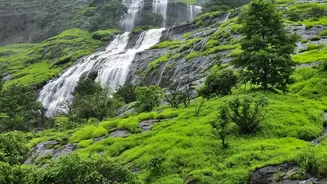
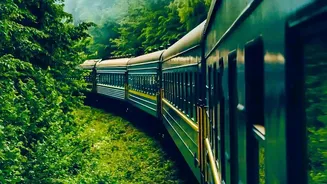
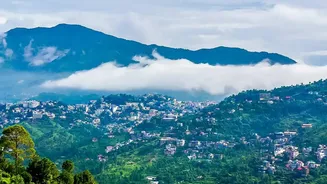
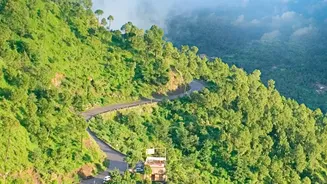
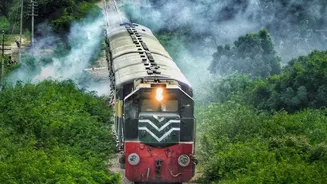
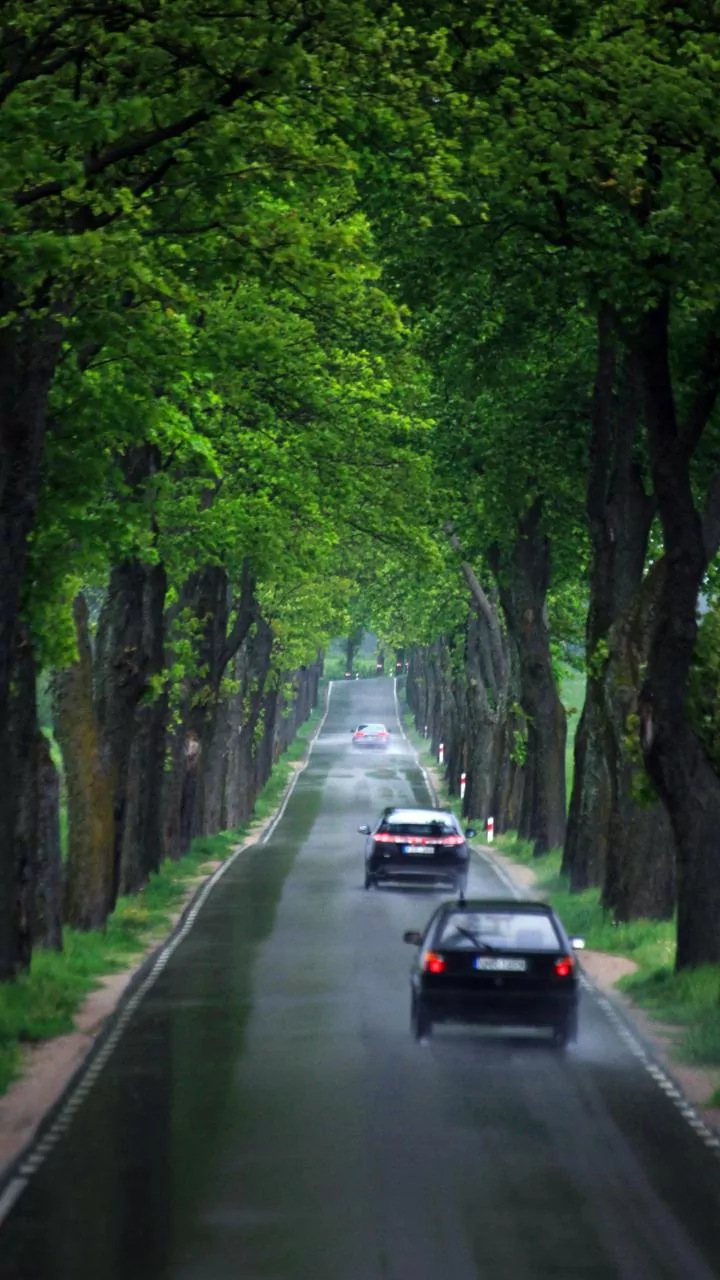
Traveling the Konkan Railway between June and October is an immersive, almost magical experience. The monsoon transforms the landscape into a vibrant spectacle of lush greenery. The rain washes the scenery clean, making the paddy fields and forests shimmer in countless shades of green. This is the season of waterfalls; countless streams spring to life, cascading down hillsides right next to the tracks. The famous Dudhsagar Waterfalls near Goa become a particularly spectacular sight, roaring with monsoon-fed power. Clouds and mist drift through the valleys, adding a layer of romanticism and mystery to the journey. For photographers and nature lovers, the dramatic skies, swollen rivers, and verdant panorama make the monsoon the undisputed best time to travel.
The Winter Expedition: Clear Skies and Crisp Vistas
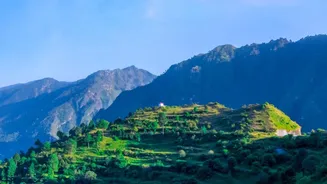
Come winter, from November to February, the Konkan coast offers a different kind of charm. The heavy rains recede, giving way to pleasant weather, clear blue skies, and crisp, clean air. This season is perfect for those who prefer unobstructed views and comfortable travel. While the dramatic waterfalls may have subsided, the scenery remains stunning. The landscape, still green from the monsoon, is now sharper and more defined. You can see the vibrant coconut groves, serene rivers, and the sparkling Arabian Sea more clearly. This period is considered the peak travel season, not just for the pleasant weather but also for the clarity it brings to the panoramic vistas of beaches, forts, and quiet villages along the route.
Making Your Choice: Mood vs. Clarity
So, which season is better? The answer depends entirely on the experience you seek. The monsoon journey is for the romantic, the artist, and the adventurer who doesn't mind a bit of rain for the reward of witnessing nature at its most raw and powerful. It's an atmospheric journey filled with the sounds of rain and the sight of a world bursting with life. Winter, on the other hand, is for the traveler seeking comfort, clarity, and classic picture-postcard views. It’s ideal for families and first-time visitors who want to soak in the coastal beauty without the unpredictability of monsoon weather. Booking a daytime train like the Mandovi Express or Jan Shatabdi Express is often recommended to make the most of the scenery in either season.