



A New Era of Integrated Travel
For decades, planning a multi-city tour in India often involved a trade-off between speed and reach. You could take a fast train between metros or embark on a long, often arduous road trip to get to smaller towns. Now, that's changing. Thanks to a massive,
coordinated push in infrastructure, we are seeing the rise of 'multi-modal' travel. This isn't just about faster trains or smoother highways; it's about how they work together. A traveller can now take a high-speed Vande Bharat Express for the long haul and then seamlessly transition to a car, driving on a new expressway to reach a final destination that was previously considered remote. This synergy is redrawing India's tourism map, creating new circuits and making impromptu detours an exciting possibility rather than a logistical nightmare.
The Expressway Effect: More Than Just Speed
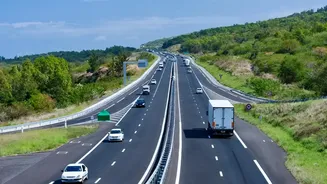
The new network of expressways is the backbone of this transformation. Take the Delhi-Mumbai Expressway, a 1,350-km corridor that is drastically cutting travel time between the political and financial capitals. But its true value lies in the destinations it strings together. A road trip that once required meticulous planning can now easily include stops in Jaipur, Ranthambore for wildlife, or Udaipur. Similarly, the Samruddhi Mahamarg in Maharashtra connects the pilgrimage hub of Shirdi with Nashik's vineyards and the historic Ajanta and Ellora caves. These expressways are acting as tourism corridors, encouraging travellers to explore the heritage, wildlife, and culture of the regions they pass through, turning the journey itself into part of the vacation. The improved road quality means less travel fatigue and more time to enjoy the destinations.
Vande Bharat: The High-Speed Connector
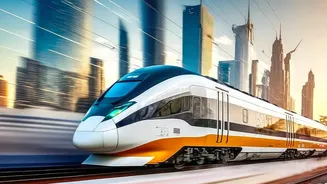
The Vande Bharat Express network, which expanded to 82 operational routes by August 2026, is the other key piece of this puzzle. These semi-high-speed trains have become a preferred mode of travel, with passenger numbers surging by nearly 34% in the last fiscal year. They are particularly effective at boosting tourism to pilgrimage and heritage sites. Destinations like Varanasi, Ayodhya, Tirupati, and Khajuraho are now more accessible than ever. But the magic happens when this speed is combined with last-mile road connectivity. A traveller can now take a comfortable morning train from Bengaluru to Mangaluru, and from there, a short drive opens up the entire beautiful coastline of Karnataka or the hills of the Western Ghats. This combination makes weekend trips and short getaways to previously distant locations a feasible and attractive option.
Connecting India's Spiritual and Natural Treasures
This infrastructure boom is particularly impactful for pilgrimage and niche tourism. New train services are directly linking major hubs with key religious destinations. For instance, recent approvals for AC Express services will connect Haridwar in Uttarakhand directly with Veraval (for Somnath) and Okha (for Dwarka) in Gujarat. This creates a powerful link between two of the country's most significant religious circuits. In the Northeast, a region of incredible natural beauty, ambitious projects like the proposed underwater road-and-rail tunnel beneath the Brahmaputra River in Assam are set to revolutionize connectivity, making places like Kaziranga National Park more accessible for tourists. These projects not only facilitate travel but also promise to boost local economies by distributing tourist traffic more evenly across regions.