








The Lure of the Guaranteed Visa
One of the most common tactics used by fake visa sites is the promise of guaranteed approval. These platforms often claim to have "inside connections" or "special quotas" that can fast-track your application. However, the final decision on any visa application rests
solely with the consular officers of the destination country. No third-party agent, consultant, or website has the authority to guarantee a positive outcome. Legitimate consultants can guide you through the preparation process, but they will never promise a specific result. These false guarantees are designed to create a sense of security to justify the high fees they demand, often upfront.
The Illusion of an Official Portal
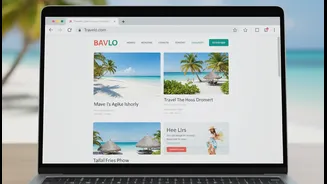
Fraudsters are adept at digital deception, creating sophisticated websites that perfectly mimic official government portals. They use official-looking logos, flags, and colour schemes to appear authentic. A crucial red flag is the website's URL. Official government websites typically end in a specific domain suffix, such as ".gov" for the United States or ".gov.in" for India. Scammers often use slightly altered domains like ".org" or ".net", or have complex addresses that look unofficial. These fake sites are designed to steal your sensitive personal data, including passport and bank details, leading to identity theft and financial loss.
The Pressure to Pay for 'Urgent' Processing
Fake visa services thrive on creating a sense of urgency. They use high-pressure tactics with phrases like "limited visa slots available" or "urgent approval window" to push applicants into making quick, irrational decisions. Another major warning sign is the payment method. Fraudulent sites often demand payment through untraceable methods like cryptocurrency, gift cards, or direct transfers to personal bank accounts or UPI IDs. Official channels use secure, authorised payment gateways linked to registered business accounts. The U.S. government, for instance, will never ask for fees to be sent in advance via wire transfer.
Upselling Unnecessary and Overpriced Services
Many of these fraudulent sites lure customers by charging exorbitant fees for services that are either free or simple to do yourself. This can include form-filling assistance, booking appointments, or document verification—tasks that official embassy websites provide clear instructions for. While some third-party services can legitimately assist with applications, scammers inflate the costs of these basic services. In some cases, these sites may take your money and personal information without ever actually submitting a real application on your behalf. Always remember that official government forms for visa applications are free to fill out.
How to Apply Safely and Avoid Scams
The most effective way to protect yourself is to always start your visa application process on the official government website of the country you intend to visit. You can usually find this by searching for the country's embassy or consulate in India. Be wary of websites that appear as paid ads at the top of search results, as official sites often appear lower down. Manually type the official URL into your browser instead of clicking on links from unsolicited emails or social media messages. Before providing any personal details or making payments, double-check that the website address is correct and secure, indicated by "https://" at the start of the URL. If you suspect you have encountered a scam, stop all communication immediately and report the website to the relevant authorities, such as India's National Cyber Crime Reporting Portal.