




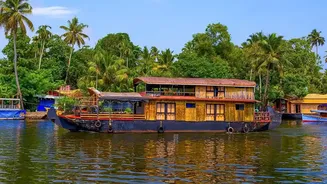

The Foundation: More Than Just Backwaters
Kerala’s success wasn’t accidental. It was built on the revolutionary idea of making tourism people-centric. The Responsible Tourism (RT) Mission, launched in 2007, focused on ensuring that the economic benefits of tourism reached local communities directly.
This meant empowering villagers to become stakeholders, not just spectators. The model involved creating homestays run by families, sourcing food from local farmers for hotels and houseboats, and training residents as guides and cultural performers. Initiatives like the Kudumbashree program have been instrumental in this, helping women form self-help groups that provide catering and other services, ensuring a steady livelihood from tourism. This approach, which defines responsible tourism as creating “better places for people to live in and better places for people to visit,” transformed villages like Kumarakom into world-renowned case studies in sustainability.
The New Climate Reality
Today, the biggest threat to Kerala's natural attractions is climate change. The state's famed geography of beaches, hills, and wetlands is increasingly vulnerable to extreme weather events, unpredictable monsoons, and rising sea levels. These environmental shifts damage infrastructure, disrupt travel, and threaten the very biodiversity that attracts visitors. This has forced a shift in focus for sustainable tourism, moving from just community benefit to building climate resilience. Current adaptation strategies involve a greater emphasis on water conservation, afforestation, and developing disaster-resilient infrastructure. Projects like the Water STREET initiative in Maravanthuruthu, which gained global recognition, focus on enhancing infrastructure with an emphasis on water conservation, showing how tourism development can coexist with environmental preparedness.
What 'Responsible' Means Now
The definition of responsible tourism in Kerala is evolving. While the core principles remain, the application is expanding to meet modern challenges. One of the most significant recent developments is the focus on tourist safety and destination management, especially for the growing number of solo female travellers. In a new initiative set to launch in October 2026, Kerala will deploy 'Green Marshals' at key tourist spots. This local workforce will be trained to assist visitors, monitor safety, ensure cleanliness, manage waste, and protect the environment. This move addresses critical gaps in day-to-day destination management and reinforces Kerala's commitment to providing a safe and secure environment for all tourists. It also broadens the scope of sustainability to include social well-being and visitor experience management, proving that a truly sustainable destination is one that is safe and welcoming.
The Conscious Traveller and Community Focus
Modern travellers are more conscious of their impact than ever before, and Kerala’s tourism model is leaning into this trend. The state is actively promoting experiences that connect visitors directly with local life. The Responsible Tourism Mission has grown into a society that supports around 24,000 local units, providing livelihoods for approximately 150,000 families. This structure enables authentic experiences, from staying in village homestays to learning traditional crafts directly from artisans. This community-centric approach is not just about economics; it's about cultural preservation and fostering genuine human connection. By empowering local communities to manage and benefit from tourism in their own neighbourhoods, Kerala ensures that its cultural heritage remains a living, breathing part of the visitor experience, not a sterile exhibit.