




Long before the sweet, ripe mango makes its grand entrance, its raw, tart counterpart, kacchi kairi, brightens Indian kitchens. This versatile ingredient offers a refreshing, tangy punch perfect for beating the heat and elevating everyday meals.
Understanding the Green Mango
A green
mango is simply an unripe mango. Its flesh is firm, crisp, and distinctly sour, making it a prized souring agent in many cuisines. When shopping for green mangoes, don't rely solely on skin colour, which can vary by variety. Instead, gently squeeze the fruit. A good raw mango should feel very firm to the touch, similar to a hard avocado. This firmness is key, as it ensures the mango will hold its shape whether you're shredding it for a salad or dicing it for a curry. To prepare it, wash the mango thoroughly, then use a peeler to remove the skin. The flesh can then be grated, finely chopped, or sliced into spears, depending on your recipe. Be sure to cut around the large, flat seed in the center.
Classic Dishes with Fresh Kairi
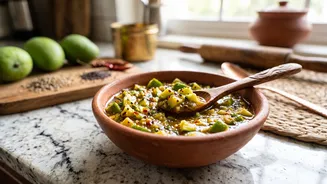
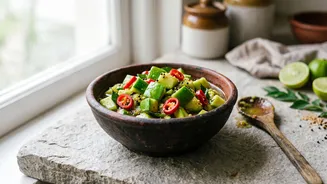
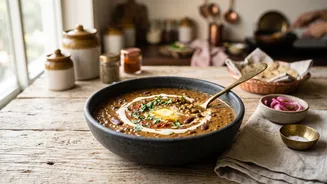
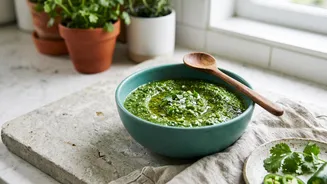
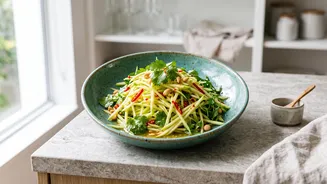
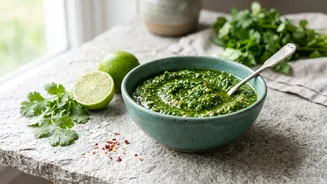
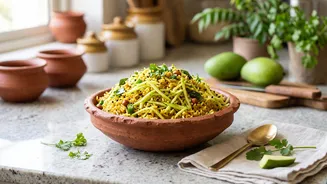
The sharp flavour of fresh green mango (kacchi kairi) is the star of many beloved summer dishes across India. Aam Panna, a refreshing drink made from boiled or roasted mango pulp blended with cumin, mint, and salt, is a classic heat-beater. In the kitchen, raw mango adds a unique tartness to lentil dishes like Kairi Dal, where chunks of mango are cooked with toor dal until tender, creating a beautiful sweet and sour flavour profile. For a quick side dish, a simple raw mango salad, or 'kanda kairi,' combines finely chopped mango and onion with a hint of red chilli powder and salt, creating a crunchy, tangy accompaniment that pairs well with any meal. Another popular preparation is a quick chutney, where grated mango is mixed with mint, chillies, and a touch of sugar for a vibrant condiment.
From Fresh to Pickled
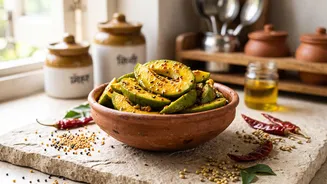
While fresh green mango is a seasonal delight, pickling transforms it into a year-round pantry staple. Indian mango pickle, or 'achaar,' is more than just a condiment; it's a concentration of bold flavours. Typically, raw mango pieces are preserved in oil with a potent mix of salt, red chilli powder, turmeric, fenugreek, mustard seeds, and asafoetida. This mixture is often left to mature in the sun, allowing the mango pieces to soften slightly while absorbing the spices. The result is a complex, multi-layered flavour bomb that is simultaneously spicy, salty, sour, and umami. This preservation process not only extends the mango's shelf life but also deepens its culinary potential, turning it into an ingredient in its own right.
Recipe Notes for Pickled Mango
Cooking with mango pickle requires a bit of finesse, as it brings a lot of salt and spice to the table. When incorporating it into a dish, think of it as a flavour concentrate. A little goes a long way. The first rule is to adjust the salt in your main dish accordingly; you will likely need much less than usual. The spiced oil from the pickle is liquid gold—use it to start your tadka or drizzle it over a finished dish for an instant flavour boost. If you find your pickle too overpowering, you can balance its intensity by pairing it with creamy or starchy elements like yogurt, potatoes, or paneer. For instance, mixing a teaspoon of mango pickle into a bowl of plain yogurt creates a delicious, tangy raita or dip.
Creative Ways to Use Mango Pickle
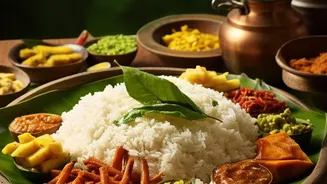
Think beyond the side of the plate. Mango pickle can be a transformative ingredient in your main courses. For a flavourful twist on a classic, try making 'Achaari Paneer' or 'Achaari Chicken' by adding a spoonful of the pickle masala to your marinade. You can also stuff parathas with a small amount of the pickle for a quick, flavourful meal. Stir a bit of chopped pickle into pulao or khichdi at the end of cooking to infuse the rice with its zesty flavour. For a simple but incredibly satisfying meal, pair it with curd rice; the creamy, cool yogurt perfectly balances the pickle's spicy kick. Even a simple sandwich can be elevated by mixing a little mango pickle into mayonnaise for a zesty spread.