



Karwa Chauth, falling on October 29, 2026, is a cherished festival of love and devotion. But the traditional nirjala fast can be risky with health conditions. Here’s how to balance faith and well-being with medical guidance.
The First Step: Consult Your Doctor
Before you begin the Karwa
Chauth fast, the most critical step is to consult your doctor. This is especially true if you are on medications for conditions like diabetes or high blood pressure. Fasting can significantly impact blood sugar levels and blood pressure, and medications may need adjustment. A doctor can assess your specific health situation and advise whether fasting is safe for you, and if so, what precautions to take. For some, a modified fast might be recommended, while for others, especially those with Type 1 diabetes, multiple health issues, or high-risk pregnancies, fasting may be strongly discouraged.
Managing Diabetes During the Fast
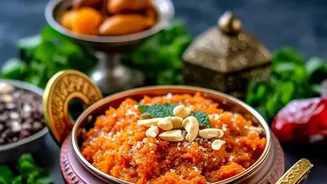
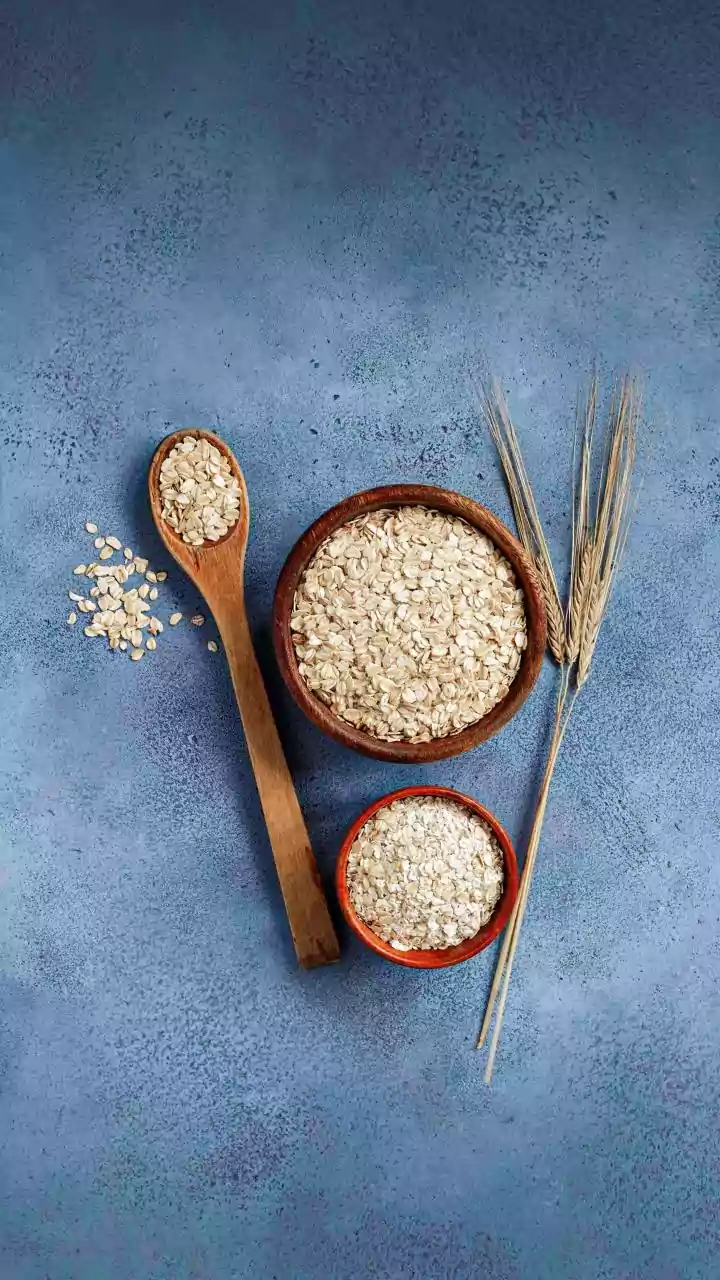
For women with diabetes, the day-long fast poses a risk of hypoglycemia (low blood sugar) or hyperglycemia (high blood sugar). Symptoms like dizziness, sweating, or confusion should be treated as a sign to break the fast immediately. Regular monitoring of blood sugar levels throughout the day is crucial. Your Sargi should consist of complex carbohydrates, protein, and fibre to ensure slow energy release. Options like stuffed paneer roti, oats cheela, or poha with vegetables are excellent choices. Avoid high-sugar sweets and fried foods when breaking the fast; opt for water and a light, balanced meal.
Pregnancy and Breastfeeding Considerations
Pregnancy is a time when the body requires a constant supply of nutrients and hydration for both mother and baby. For this reason, a traditional nirjala fast (without water) is generally not recommended for pregnant women. Dehydration can lead to complications, including dizziness, headaches, and even uterine contractions. Most doctors advise pregnant women to opt for a modified fast, where they consume fluids like water, milk, and coconut water, along with fruits at regular intervals. If you have gestational diabetes, high blood pressure, or are in a high-risk category, fasting should be avoided. Always get your gynaecologist's approval before deciding to fast.
Fasting with High Blood Pressure or Heart Conditions
Dehydration from a nirjala fast can cause blood to thicken, making the heart work harder and potentially causing a spike in blood pressure. This is particularly risky for those with hypertension or existing heart conditions. It's essential not to skip any prescribed blood pressure medications. Your Sargi should be low in salt to prevent thirst and a subsequent rise in blood pressure. After breaking the fast, avoid heavy, oily, or fried foods, which can cause indigestion and stress your system. Start with water and then have a light meal like soup or fruit.
Crafting a Healthy Sargi
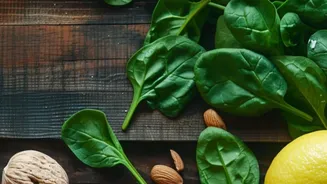
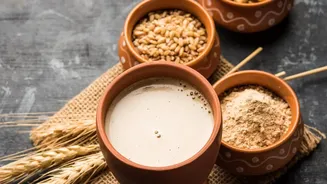
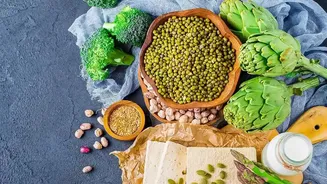
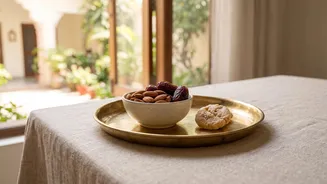
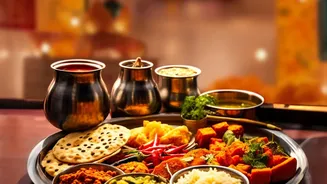
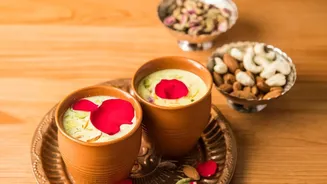
The pre-dawn meal, or Sargi, is key to sustaining you through the day. It should be a balance of nutrients, not just a heavy meal. Include complex carbohydrates like whole-wheat roti or dalia for sustained energy. Protein from sources like paneer, curd, or milk helps keep you full. A handful of nuts and dry fruits provide healthy fats and energy. Incorporate water-rich fruits like watermelon, oranges, or pomegranate for hydration. It's also wise to drink plenty of water before the fast begins but avoid tea or coffee, as they can cause dehydration.