

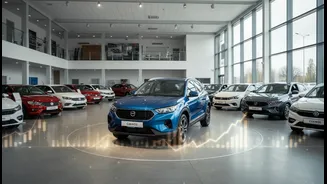



Record-Breaking Quarterly Performance
The first quarter of the fiscal year 2026-27 (April-June) was the best ever for several segments of the Indian auto industry. According to data from the Society of Indian Automobile Manufacturers (SIAM), passenger vehicle (PV) sales reached a historic
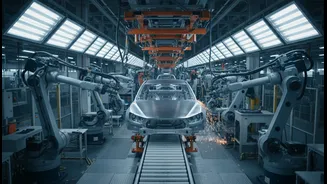
high of 1.27 million units, a remarkable 25.9% increase year-on-year. This strong performance wasn't limited to cars; commercial vehicles and three-wheelers also posted their highest-ever first-quarter sales. The two-wheeler segment grew by a robust 20.3%, with total sales crossing 5.6 million units in the quarter. This widespread growth across the board paints a picture of an industry firing on all cylinders, driven by steady consumer demand and supportive economic factors.
The SUV Juggernaut Continues to Roll
The love affair between Indian consumers and Sport Utility Vehicles (SUVs) shows no signs of slowing down. Utility vehicles dominated the PV market, accounting for 861,918 units sold in the first quarter, a growth of 28.6%. This preference is reshaping the market, with SUVs consistently outselling traditional passenger cars. In June 2026, for instance, models like the Tata Punch and Nexon were among the top sellers nationwide, highlighting the consumer shift towards vehicles with a higher stance and modern features. Even among the best-selling models for the first half of the year, SUVs feature prominently, with the Hyundai Creta remaining the top midsize SUV and Mahindra's Scorpio also making the top 10 list.
Electric Vehicles Shift into High Gear
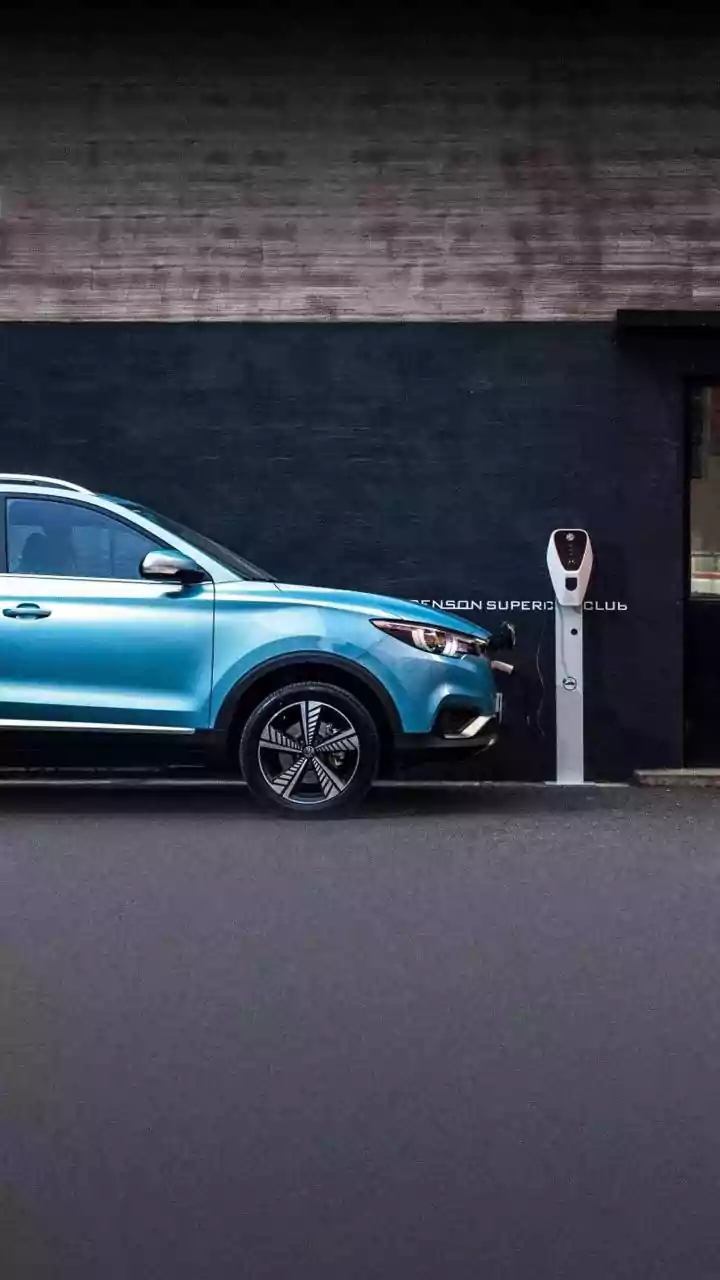
The electric vehicle (EV) segment is arguably the most dynamic story within the auto industry's boom. In the first half of 2026, electric passenger vehicle sales skyrocketed by 79% year-on-year, with nearly 1,50,000 units sold. This growth is so strong that the industry is on track to cross 300,000 EV sales for the full calendar year. Tata Motors continues to lead the charge with a 39% market share, but competition is heating up. Mahindra has seen explosive growth of 147% in its EV sales, taking the second spot. New entrants like Maruti Suzuki are also quickly making their mark. The growth story extends to luxury brands, where EV sales grew 55%, and electric two-wheelers, which accounted for over 60% of all EVs sold.
Commercial Growth Signals Economic Strength
The health of the commercial vehicle (CV) sector is often seen as a barometer for the broader economy, and the signs are positive. The April-June quarter saw the highest-ever Q1 sales for CVs, with a growth of 18.3% to reach over 264,000 units. This suggests strengthening economic activity and increased demand for goods transport and logistics. The growth was visible in both light commercial vehicles (LCVs) and the medium and heavy commercial vehicle (M&HCV) segments. Even here, the shift to greener alternatives is becoming apparent, with electric commercial vehicles more than doubling their market share in May compared to the previous year.
A Rising Star in Global Exports
The 'Make in India' story is gaining significant traction on the global stage. Passenger vehicle exports hit a record 2.22 lakh units in the first quarter of the fiscal year. For the full fiscal year 2026, car exports grew by 25%, reaching a value of $9 billion. Indian-made cars are finding homes in a diverse range of markets, including South Africa, Saudi Arabia, Mexico, and even Japan. The share of automobiles in India's exports to Japan, a notoriously competitive market, has jumped from 1% to 13% in just five years, signalling a growing integration into global supply chains. Maruti Suzuki leads the export race, but other manufacturers like Hyundai and Nissan are also major contributors, solidifying India's position as a global hub for small cars.