





The Science of Sweetness
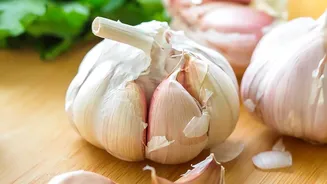
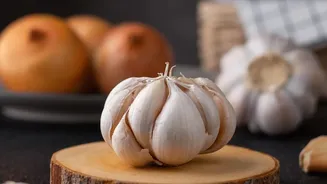
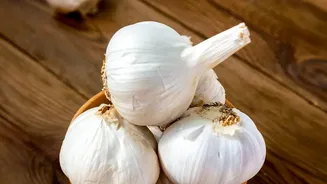
The magic of roasted garlic lies in a simple chemical transformation. Raw garlic gets its signature sharp, pungent bite from a sulfur compound called allicin, which is created when the clove's cells are broken by chopping or crushing. However, the steady,
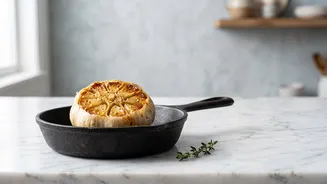
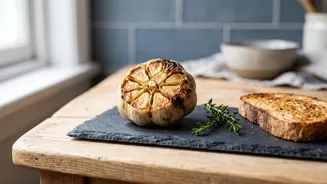
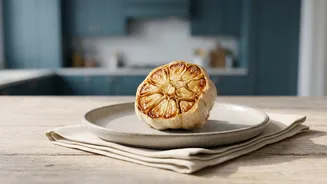
gentle heat of an oven changes everything. The roasting process deactivates the enzymes that produce allicin, taming the aggressive flavour. As the garlic cooks, its cell walls soften and break down, resulting in a creamy, almost buttery texture. Simultaneously, the natural sugars in the garlic begin to caramelize through a process known as the Maillard reaction, which is the same reaction that gives browned toast and seared steak their delicious flavour. This caramelization is what lends roasted garlic its characteristic sweetness and deep, nutty, and savory notes, turning it from a sharp aromatic into a complex flavour enhancer.
A Simple Guide to Perfect Roasting
Mastering roasted garlic is surprisingly simple and requires minimal effort for a huge flavour payoff. To start, preheat your oven to around 400°F (205°C). Take a whole head of garlic and, without peeling it, slice about a quarter-inch off the top to expose the individual cloves. Place the head on a sheet of aluminum foil. Drizzle the exposed cloves generously with olive oil, allowing it to seep down into the crevices. A pinch of salt and pepper can also be added for extra seasoning. Wrap the garlic head tightly in the foil, creating a sealed packet. This traps the steam and helps the garlic become soft and creamy. Place the packet on a baking sheet and roast for 40 to 60 minutes. You'll know it's done when the cloves are golden brown, fragrant, and so tender that they can be easily pierced with a fork.
Unleash the Flavour in Your Kitchen
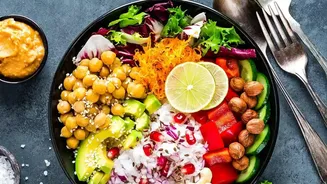
Once you have a batch of this 'liquid gold', the culinary possibilities are nearly endless. The creamy, mellow cloves can be squeezed directly from their papery skins and used immediately. One of the most popular uses is to mash them into potatoes for a rich, savory flavour that far surpasses garlic powder. You can also blend the cloves into soups, dips, and salad dressings for a foundational layer of sweetness and depth. For an instant appetizer, spread the soft garlic directly onto warm, crusty bread like butter. It can also be mixed into pasta sauces, folded into homemade hummus, or combined with mayonnaise to create a sophisticated aioli for sandwiches and burgers. Because its flavour is so mild and sweet, you can use significantly more roasted garlic than you would raw garlic without overpowering a dish.
Storing Your Roasted Garlic Safely
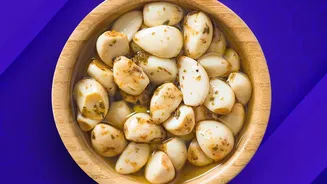
Making a large batch of roasted garlic is a great way to meal prep, but proper storage is crucial. For short-term use, you can store roasted garlic in an airtight container in the refrigerator for up to four days. To extend its life in the fridge to about two weeks, submerge the peeled, roasted cloves in olive oil in an airtight container. It's critically important not to store garlic in oil at room temperature, as this creates a low-oxygen environment where Clostridium botulinum bacteria can thrive. For long-term storage, the freezer is your best option. You can freeze whole roasted heads, individual cloves, or a paste made from the cloves. To prevent cloves from clumping, flash-freeze them on a baking sheet before transferring them to a freezer-safe bag. Frozen roasted garlic will retain its flavour for up to six months.