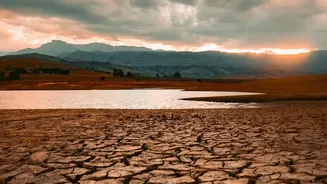





The climate crisis is often framed as a shared global challenge, but a stunning new report from Oxfam argues it is a crisis of inequality. It reveals a 'disaster divide' where the world's wealthiest create the problem, while the world's poorest pay the price.
The Carbon Footprint of the Few
The central finding of Oxfam's 'Disaster Divide' report, released in October 2026, is the staggering gap in carbon emissions between the rich and poor. According to the analysis, the world's richest 0.1 percent — a group of just 8 million people — produce more carbon pollution than the poorest 3.5 billion people combined. This tiny fraction of the global population is responsible for more emissions than the bottom 44% of humanity. The report details how the lifestyles and, more significantly, the investments of the super-rich are driving climate breakdown at an accelerated rate. For instance, a person in the richest 0.1 percent has contributed nearly 400 times more to today's extreme heatwaves than someone in the poorest half of the population.
A Heavier Burden for the Many
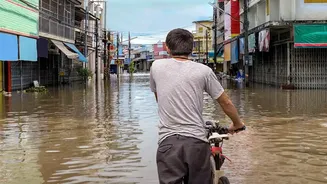
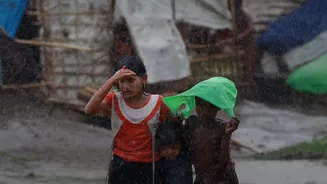
While the wealthy are responsible for the lion's share of emissions, the consequences fall most heavily on those who have contributed the least. The report argues that climate change is not just an environmental issue but a direct driver of poverty and economic distress. Oxfam's research shows that deaths from flooding are seven times higher in more unequal countries. When disaster strikes, the poor are more exposed, more vulnerable, and have fewer savings to rebuild their lives. In India, studies show that climate-linked phenomena like extreme heat, erratic rainfall, and floods are already reshaping the geography of deprivation, pushing households just above the poverty line back into it. These climate shocks lead to crop damage, income loss, and forced migration, turning vulnerability into a trap from which escape becomes increasingly difficult.
Profiting from Pollution and Pain
The report goes a step further, accusing the super-rich of not only causing the crisis but also profiting from it. Oxfam identifies a 'Destroy and Rebuild' economy where corporations and their wealthy investors benefit from both the industries fueling climate change and the subsequent disaster recovery market. This market, which includes services for disaster preparedness, reconstruction, and insurance, is projected to grow from $70 billion to $92 billion annually by 2029. Major asset management firms like BlackRock and Vanguard are highlighted as having over a trillion dollars invested in companies that profit from this cycle. This creates a 'double dividend' for the wealthy, who are insulated from the worst effects while cashing in on the chaos. The report warns this gives the powerful an incentive to delay meaningful climate action.
The Human Cost of Carbon
The inequality detailed in the report has fatal consequences. Based on climate attribution models, Oxfam estimates that the yearly emissions from just the richest 1 percent will cause an estimated 1.9 million excess deaths due to heat. Over three-quarters of these deaths are projected to occur in low- and lower-middle-income countries, which bear the least responsibility for the emissions causing the crisis. While a billionaire might retreat to a high-tech bunker or afford private healthcare, ordinary people, particularly in the Global South, face the direct impacts on their health, livelihoods, and lives. This disparity transforms the climate narrative from a story of shared fate into one of profound injustice.
A Call for Climate Justice
In response to its findings, Oxfam is calling for a radical shift in how the world addresses the climate crisis, framing it as an issue of justice. The organization urges governments to make rich polluters pay for any damage they cause. Proposed solutions include permanent wealth and income taxes on the super_rich, a permanent tax on any profits of fossil fuel corporations, and punitive taxes on high_emitting luxury items like private jets. The report also calls for a substantial increase in grant_based climate finance for developing nations, rather than loans that deepen debt, and a move to end profiteering from climate disasters. The core message is clear : without radically reducing inequality ,the world cannot effectively tackle climate change.