



The Deception of a Clean Look
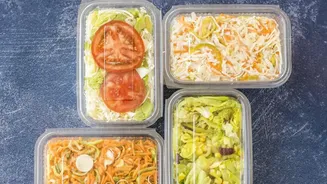
A sparkling clean plastic box or a brightly coloured container might seem perfect for your leftovers, but its appearance is not a reliable guide to its safety. Food-grade materials are those that have been tested and certified as safe for coming into
direct contact with food. Non-food-grade plastics, even if they look identical, can contain harmful chemicals, dyes, or recycled materials not intended for human consumption. These substances can leach into your food, especially when heated or if the food is acidic or fatty. The Food Safety and Standards Authority of India (FSSAI) sets specific rules for packaging materials to prevent this contamination. Therefore, assuming a container is safe based on looks alone is a risky gamble with your health.
Hidden Dangers: BPA, Phthalates, and More
The primary concern with non-food-grade plastics is the migration of chemicals like Bisphenol A (BPA) and phthalates. These are known as endocrine disruptors, meaning they can interfere with the body's hormonal systems. Studies have linked exposure to these chemicals to a range of health problems, including reproductive issues, developmental problems in children, obesity, and even certain types of cancer. Phthalates are often used to make plastics more flexible, while BPA is used to make them hard and shatterproof. When you store hot food or microwave a non-certified container, the heat can accelerate the transfer of these chemicals from the plastic into your meal.
How to Identify Food-Safe Containers
Instead of relying on appearance, you must look for specific symbols and codes to verify a container's safety. The most important international symbol is the 'food safe' icon: a wine glass and a fork. If you see this, it means the material has been certified for food contact. Additionally, plastics have a Resin Identification Code—a number from 1 to 7 inside a triangle of arrows. In India, FSSAI has specific standards for plastics like PET, HDPE, and Polypropylene used in packaging. As a general rule, plastics marked with #2 (HDPE), #4 (LDPE), and #5 (PP) are considered the safest for food storage. Polypropylene (#5) is often used for microwave-safe containers due to its high heat resistance.
Plastics to Use with Caution or Avoid
While some plastics are generally safe, others should be avoided for food storage. Plastic #1 (PET), commonly used for water and soft drink bottles, is intended for single use only, as repeated use can lead to bacterial growth and potential chemical leaching. You should be wary of plastics marked with #3 (PVC), #6 (PS), and #7 (Other). PVC can contain harmful phthalates, and Polystyrene (#6), often found in disposable cups and foam takeout containers, can leach styrene, a potential carcinogen, especially when heated. Number 7 is a catch-all category that can include polycarbonates containing BPA. Unless a #7 container is specifically certified as BPA-free and food-safe, it's best to avoid it.
Making Safer Choices for Your Kitchen
The safest approach is to prioritize materials that are inherently stable and non-reactive. Glass, stainless steel, and ceramic containers are excellent choices for food storage. They don't leach chemicals, are easy to clean, and can typically be used for both heating and freezing. When buying plastic containers, actively look for the 'food-safe' (fork and glass) symbol and stick to plastics with codes #2, #4, and #5. Always discard plastic containers that are scratched, cracked, or cloudy, as the damage can compromise their integrity and harbor bacteria. By being a discerning consumer, you can easily avoid the hidden risks and ensure the food you serve your family is stored as safely as possible.