



Meet Your Muscles: Slow-Twitch vs. Fast-Twitch
Every muscle in your body is a mix of two main types of fibres: slow-twitch (Type I) and fast-twitch (Type II). Think of them as two different kinds of engines for your body. Slow-twitch fibres are built for endurance. They use oxygen efficiently to generate
energy, allowing for sustained, low-intensity activities like holding a yoga pose, maintaining posture, or running long distances. They are your marathon runners, contracting slowly but resisting fatigue for a long time. Fast-twitch fibres, on the other hand, are your sprinters. They are designed for short, powerful bursts of movement, like jumping or lifting heavy weights. They contract quickly and generate significant force but tire out just as fast. These are the fibres that give you explosive power and speed.
The Explosive Power of Jumping Rope
High-frequency jump rope drills are a form of plyometric exercise, which involves short, intense bursts of activity. When you jump rope, especially at a high pace with movements like double-unders or high knees, you are performing rapid, explosive movements. This action specifically calls upon your fast-twitch muscle fibres in your lower body, particularly the calves, quads, and glutes. Each jump is a quick, powerful contraction that trains these fibres to fire more efficiently. The goal of this type of training is to exert maximum effort for a short duration. This not only builds reactive strength and agility but also significantly boosts your cardiovascular system and torches calories. Over time, consistently training these fibres helps improve your overall power, speed, and athletic performance.
Yoga’s Focus on Stability and Endurance
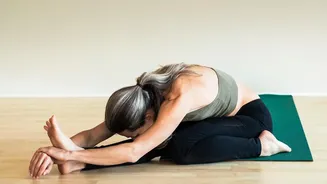
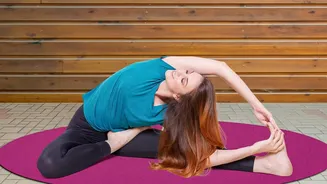
Yoga operates on the other end of the muscular spectrum. While some dynamic flows like a Vinyasa sequence can get your heart rate up, the core of most yoga practices involves holding static poses (asanas). Poses like Warrior, Plank, or Chair Pose require your muscles to remain contracted for extended periods. This sustained tension primarily engages your slow-twitch, endurance-based muscle fibres. Yoga is excellent for building muscular endurance, core strength, stability, and flexibility. It trains the postural muscles in your back, core, and legs to support your body for long durations, improving alignment and reducing injury risk. However, because it lacks the rapid, explosive movements, it doesn't significantly challenge or develop your fast-twitch fibres.
It's Not Better, It's about Your Goals
So, is jump rope truly 'better' than yoga? The answer depends entirely on your fitness goals. If your aim is to increase explosive power, improve your sprint speed, or maximise calorie burn in a short amount of time, then high-frequency jump rope drills are indeed a more effective tool for targeting your fast-twitch fibres. However, if your goal is to build muscular endurance, improve posture, increase flexibility, and develop deep core stability, then yoga is the superior choice. One isn't inherently superior to the other; they are simply different tools for different jobs. Strength training primarily focuses on muscle growth and power, while yoga offers a more holistic approach that includes mental focus and stability alongside physical conditioning.
Create a Balanced Fitness Routine
The ideal fitness plan doesn't force you to choose between power and endurance; it incorporates both. By combining different types of training, you create a well-rounded regimen that prepares your body for any challenge. You could incorporate 10-15 minute jump rope sessions as a warm-up or a high-intensity interval training (HIIT) finisher on your strength training days. This will ensure you're developing that fast-twitch power. On other days, a dedicated yoga practice can help with recovery, lengthen tight muscles, improve your mind-muscle connection, and build the foundational stability that protects your joints during more intense activities. This combination allows you to reap the benefits of both worlds: the explosive strength from jump rope and the resilient endurance from yoga, leading to a more capable and balanced body.