





The Promise in the Leaf
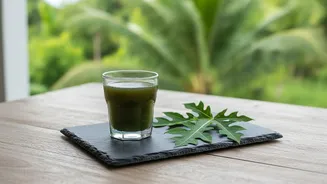
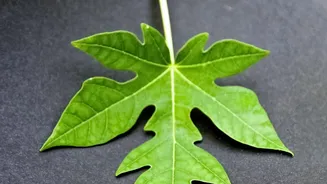
For generations, papaya leaf has been a staple in traditional medicine across India and other tropical regions. Its most well-known modern use is as a home remedy to help manage dengue fever. The primary claim is that its extracts can help increase a patient's
platelet count, which often drops to dangerous levels during a dengue infection. Beyond dengue, it is also used to aid digestion, reduce inflammation, and support the immune system, thanks to its rich profile of enzymes like papain, and various vitamins and antioxidants. This reputation has fueled a booming market for convenient, over-the-counter papaya leaf products, from concentrated juices to easy-to-take capsules.
What Does the Science Say?
The link between papaya leaf extract and increased platelet counts is not just anecdotal. Several scientific studies have observed a positive correlation. Research suggests that compounds in the leaf may help stimulate the bone marrow and protect blood cells from destruction. For example, a meta-analysis of several trials concluded that papaya leaf extract was associated with a significant increase in platelet counts in dengue patients compared to those who didn't receive it. However, many of these studies are small, and researchers agree that larger, more robust clinical trials are needed to establish definitive treatment guidelines. While promising, it is not considered a substitute for standard medical treatment for dengue.
A Wild West of Products
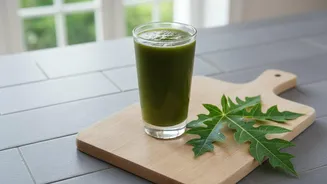
This is where the problem begins for consumers. The term 'papaya leaf extract' can mean many different things. The concentration of active compounds in a product depends heavily on the age of the leaves, where they were grown, the season of harvest, and the extraction method used. Some products are simple juices made from crushed leaves, while others are highly concentrated extracts available as powders or tablets. This lack of standardization means two products on the same shelf can have vastly different potencies and effects. In India, these products fall under regulations from bodies like the Ministry of AYUSH and the FSSAI, but ensuring batch-to-batch consistency remains a major challenge for the herbal industry.
The Hidden Dangers and Side Effects
The variability in products introduces several safety risks. Without proper quality control, products could be contaminated with pesticides or heavy metals from the soil. The dosage itself is another concern. Consuming too much, especially of a highly concentrated or unpurified product, can lead to side effects like nausea, stomach cramps, and digestive upset. Unripe papaya leaf contains latex, which can be an irritant and cause allergic reactions in sensitive individuals, especially those with a latex allergy. Furthermore, papaya leaf can interact with certain medications, including blood thinners and diabetes drugs, potentially altering their effects. Short-term use is generally considered safe for most adults, but the effects of long-term consumption are not well-studied.
How to Make a Safer Choice
Given the unregulated nature of many supplements, choosing a reliable product requires care. First and foremost, always consult a doctor before starting any new supplement, especially if you have a pre-existing health condition or are taking other medications. When shopping, look for products from reputable brands that are transparent about their sourcing and manufacturing processes. Check for certifications like FSSAI or AYUSH licenses on the packaging. Be wary of products that make dramatic cure-all claims. Starting with a lower dose can help you monitor your body's reaction. Remember, natural does not always mean harmless, and professional medical guidance is your best safeguard against potential risks.