






The Strain on Household Budgets
The steady climb in food prices is becoming a major concern for households across India. Recent data from August 2026 shows that food and beverage inflation is a key driver of overall price pressures. While a single expensive vegetable can be managed,
the simultaneous rise in the prices of multiple essential ingredients creates a significant financial strain. Higher food costs mean families have less disposable income for other necessities, impacting overall household spending. This isn't just about one bad harvest; a combination of erratic weather, global market shifts, and supply chain issues are all contributing to the rising cost of your daily meals.
Why Onions Are Bringing Tears to Wallets
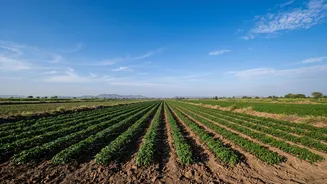
Onion prices have seen a sharp spike, with retail rates in some cities reaching Rs 50-60 per kg. A major reason for this is weather-related crop damage. Unseasonal hail and rainfall earlier in the year in key growing states like Maharashtra and Madhya Pradesh damaged the stored Rabi crop, leading to lower availability. The weak and uneven monsoon in 2026 has further threatened crop yields, raising concerns about future supply. To manage the situation, the central government has started selling onions at a subsidized rate of Rs 35 per kg in 19 cities through outlets and mobile vans to provide some relief to consumers.
The Not-So-Sweet Rise in Sugar Costs
Sugar prices have also surged, driven by fears of lower domestic production and rising festive season demand. The 2025-26 sugar output is now estimated to be around 30.6 lakh metric tonnes, significantly lower than initial projections, partly due to crop damage from excessive rain and disease in major states like Maharashtra and Uttar Pradesh. While some have pointed to the diversion of sugarcane for ethanol production, the government and industry experts suggest the bigger cause is the production shortfall itself. To curb prices, the government has banned exports, imposed stock limits on traders, and, for the first time in nearly a decade, allowed for the duty-free import of 10 lakh tonnes of raw sugar.
Edible Oils: A Slippery Slope for Prices
The price of cooking oil has been steadily climbing, with sunflower, palm, and soya oils seeing significant increases. This is one area where global factors play a major role. India is the world's largest importer of vegetable oil, sourcing more than half of its total consumption from other countries. Rising global vegetable oil prices, driven by tighter supplies and increased demand for biofuels in other nations, directly impact landed costs in India. This means that even with government efforts like cutting import duties, domestic retail prices remain high as they reflect the elevated costs in the international market. Prices for some oils have risen by 10% to 18% over the past year.
The Outlook for the Coming Months
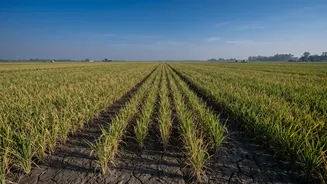
Unfortunately, immediate relief may not be on the horizon. The finance ministry's August report maintains a cautious outlook, citing the intensifying El Niño weather pattern as a risk to future crop yields. A weak monsoon season, which is crucial for rain-fed agriculture, could continue to affect the production of staples like sugarcane and oilseeds. As the country heads into the festive season, when demand for these commodities naturally rises, the pressure on prices is expected to persist. Government interventions like subsidized sales and imports are aimed at preventing severe shortages, but the underlying supply and weather challenges suggest that grocery bills may remain elevated for some time.