
Why You Can't Just Show Up
Unlike a city museum, Assam's national parks operate on a strict, nature-led schedule. The most critical factor is the monsoon. Parks like Kaziranga and Manas are typically open to tourists only from November to April. They remain closed from around May
to October due to heavy rains and flooding, which make the safari tracks impassable. Beyond the seasonal closures, the number of jeeps and elephant safari seats allowed into the park each day is limited to minimise disturbance to the wildlife. During peak season, which runs from November to March, these slots get booked out weeks in advance. Arriving without a booking, especially during these popular months, will likely lead to disappointment. Therefore, confirming park opening dates and securing your safari permits online should be the first step in your planning process.
Assam's Premier Wildlife Parks
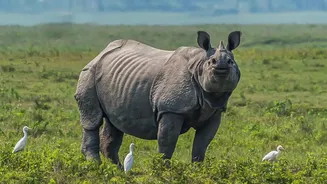
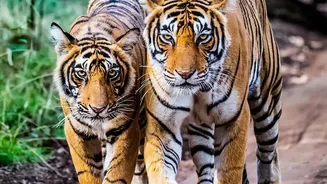
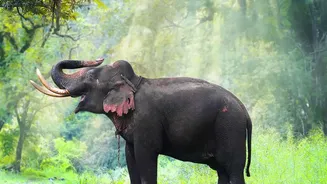
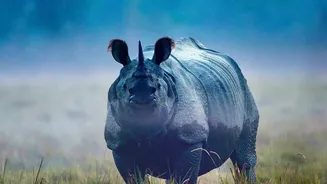
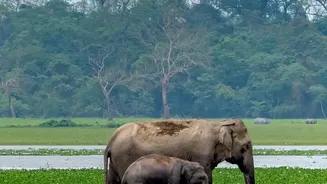
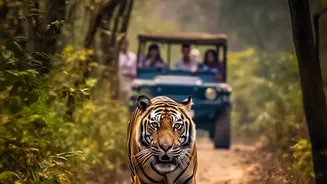
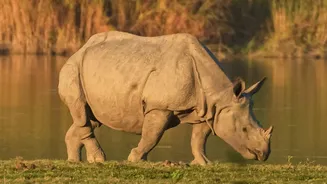
While Assam has several protected areas, two parks are central to most wildlife itineraries. Kaziranga National Park is a UNESCO World Heritage Site and the undisputed best place in the world to see the one-horned rhinoceros. It also hosts significant populations of tigers, elephants, and wild water buffalo. The park is divided into several ranges, with the Central (Kohora) and Western (Bagori) ranges being the most popular for rhino sightings. Manas National Park, another UNESCO site bordering Bhutan, offers a wilder, more serene experience. It's known for its scenic beauty, golden langurs, and as a habitat for tigers and elephants, though sightings can be less frequent than in Kaziranga. For a first-time visitor focused on iconic wildlife, Kaziranga is essential. Manas is a fantastic addition for those with more time or on a return visit.
Understanding Safari Timings and Types
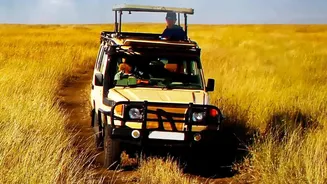
Safaris in Assam are generally offered in two forms: jeep safaris and elephant safaris. Jeep safaris are the most common, typically lasting two to three hours and offered in two daily slots. Morning safaris usually run from around 7:30 AM to 10:30 AM, while afternoon slots are from about 1:30 PM to 4:30 PM. The morning safari is highly recommended as animals are most active in the cooler hours. Elephant safaris offer a different perspective, taking you off the main tracks and closer to the rhinos in the tall grasslands. These are shorter, lasting about an hour, and are only conducted in the very early morning, with slots typically at 5 AM and 6 AM. Due to their popularity and limited availability, elephant safari seats must be booked much further in advance than jeep safaris.
How to Book Your Safari Adventure
The most reliable way to book your safari is through the official Assam Forest Department's online portal well before your travel dates. The process involves selecting your park, zone, desired date, and time slot, then entering details for all visitors and uploading a valid photo ID. The same ID must be carried with you on the day of the safari for verification. Many hotels and tour operators also offer to handle safari bookings for their guests. While this adds a layer of convenience and can be helpful, it often comes at a higher price to cover their service fees. On-the-spot booking at the park gate is sometimes possible during the off-peak shoulder months but is extremely risky during the prime season.
Fitting It All into an Assam Itinerary
A well-rounded Assam trip often lasts about a week. You can start by flying into Guwahati, the state's main gateway. Spend a day exploring local sites like the Kamakhya Temple before dedicating the core of your trip to wildlife. A typical plan involves driving to Kaziranga National Park (a 4-5 hour drive) and spending two full days there. This allows you to experience at least three safaris across different zones, such as a morning elephant safari followed by jeep safaris in the Central and Western ranges to maximise your chances of varied sightings. From Kaziranga, you can either drive back to Guwahati for your departure or extend your trip. Options include heading further east to explore the tea bungalows near Jorhat or visiting Majuli, the world's largest river island.