


The Joy and Challenge of Monsoon Feasting
There’s a certain magic to a monsoon food festival. The rhythm of the rain provides a backdrop to the sizzle of hot oil and the chatter of happy crowds. It's a time when cravings for comforting, hot foods are at their peak, from spicy vada pav in Mumbai
to Delhi's classic pakoras with chai. These festivals bring together the best of India's rainy-day street food, a culinary map of the season. But with endless options comes a big challenge: how do you taste everything without feeling overstuffed and regretful halfway through? Add in the humidity, potential downpours, and crowds, and a game plan becomes essential for any serious food lover.
The 'Small Plate' Philosophy
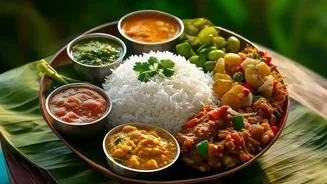
This is where the concept of smaller plates comes in. It’s less about the literal size of your dish and more about a mindset shift. Instead of committing to a full portion of chole bhature right away, think like you're at a fine-dining restaurant with a tasting menu. The goal is to sample a wide variety of flavours, not to fill up on one or two items. This approach, popular in modern Indian dining, prevents palate fatigue and allows you to be more adventurous. By choosing smaller portions or sharing plates with friends, you can create your own personal tasting journey through the festival, ensuring you have room to try that intriguing new dish you spot at the next stall.
A Strategy for Maximum Flavour
To make the small plate strategy work, start with a lap. Walk through the entire festival grounds to see all the options before making your first choice. Prioritize unique, seasonal, or vendor-special items. Share larger dishes like pav bhaji or a plate of momos with your group; this is the essence of social dining and lets everyone taste more. Pace yourself. The staggered arrival of food in small-plate dining is meant to reduce stress and create a more relaxed experience. Enjoy one dish, take a short break, and then move on to the next. This mindful approach to eating helps you truly savour each flavour instead of just consuming calories.
Navigating Hygiene and Health
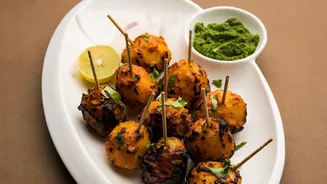
Monsoon is a time for extra caution with food safety, as high humidity and potential water contamination increase health risks. The small plate approach offers a hidden benefit here. By sampling from different vendors, you can be more selective. Always choose stalls that look clean and are busy, as high turnover means fresher food. Prioritize freshly fried, piping-hot options like pakoras, samosas, or jalebis, as the high heat kills most germs. Be wary of raw chutneys, pre-cut fruit salads, and drinks made with unverified water or ice. Opt for roasted bhutta (corn on the cob) or whole fruits like bananas that you can peel yourself for a safer snack.
Beyond the Plate: Other Festival Hacks
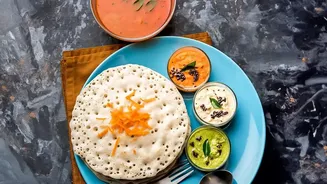
Your festival strategy shouldn't stop at the food. Comfort is key to enjoyment. Wear waterproof, sturdy footwear to navigate potentially muddy or waterlogged grounds. Carry a compact umbrella or a lightweight waterproof jacket. To stay hydrated safely, stick to sealed bottled water or warm beverages like masala chai served hot from the vendor. Many festivals now have live counters for dosas, pasta, or jalebi. These are excellent choices because you can see the food being prepared fresh right in front of you. By planning for the environment as well as the eating, you ensure a comfortable and delicious experience from start to finish.