







The Economic Pull of Paddy
The primary reason behind the overwhelming preference for paddy is economic security. The government's Minimum Support Price (MSP) mechanism guarantees farmers a stable, predetermined price for their paddy and wheat crops. This assurance of procurement
by government agencies removes market volatility, a major concern for farmers. Studies show a direct correlation between increases in MSP for paddy and the expansion of its cultivation area. This system has made the wheat-paddy cycle the most reliable and financially predictable option for the majority of Punjab's farmers, solidifying its dominance over other crops. Free or heavily subsidized electricity for irrigation further lowers the input cost for water-intensive paddy, making it even more attractive.
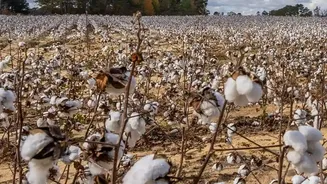
Why Cotton Lost Its Sheen
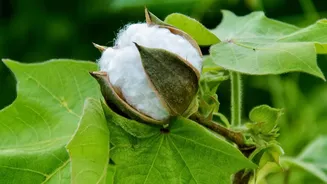
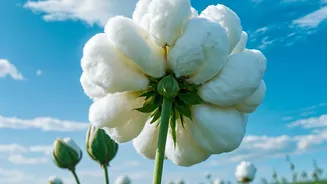
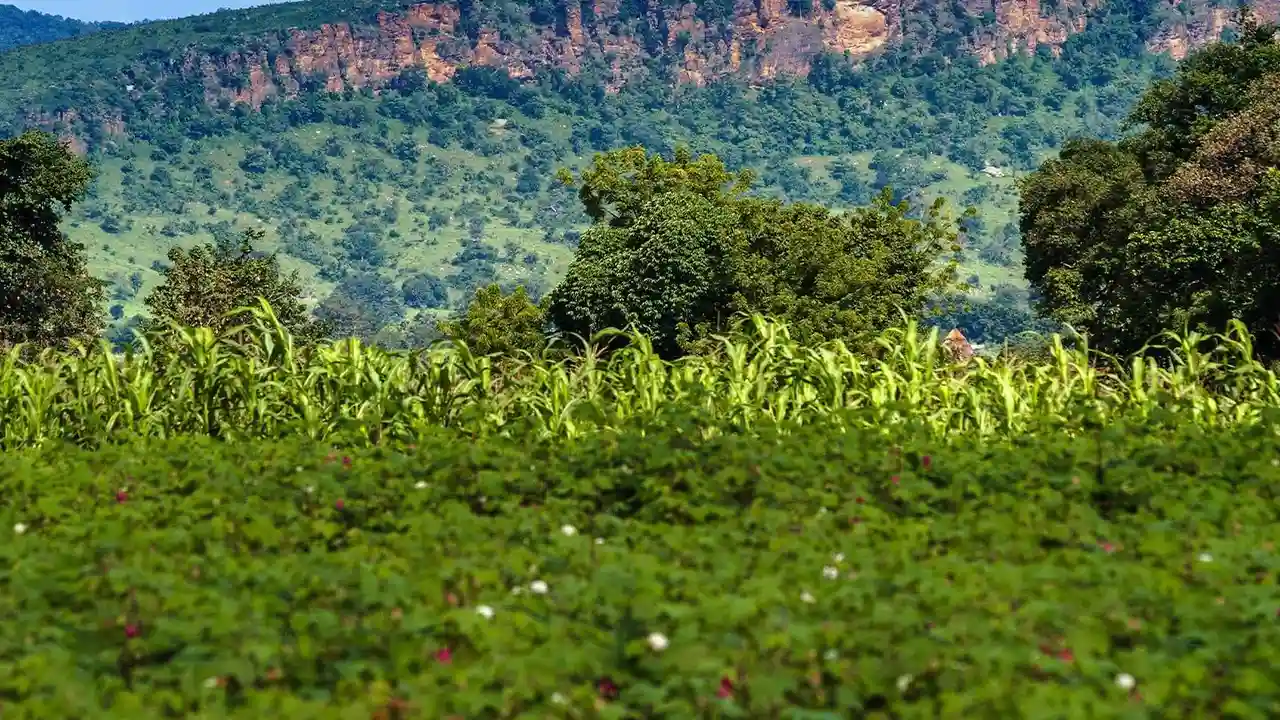
Cotton, once a cornerstone of agriculture in southern Punjab, has seen a dramatic decline in acreage, falling to a historic low of under one lakh hectares. This decline is largely due to immense challenges in cultivation. For years, farmers have battled severe pest infestations, particularly from the whitefly and pink bollworm. These attacks have led to significant crop damage, increased pesticide costs, and reduced profitability, eroding farmer confidence in the crop. In addition to pest problems, some farmers have also shifted to paddy as it is more resilient to waterlogging during heavy monsoon rains, which can wipe out a cotton crop. The combination of high risk and uncertain returns has pushed many to abandon 'white gold' for the safety of paddy.
The Environmental Cost: A Falling Water Table
The large-scale shift to paddy has had a devastating environmental impact. Paddy is an extremely water-intensive crop, requiring up to 5,000 litres of water to produce just one kilogram of rice. This is a critical issue in Punjab, a region where paddy is not naturally suited to the agro-climatic conditions. Decades of extensive paddy cultivation, powered by tube wells, have led to severe groundwater depletion. Experts report that over 80% of Punjab's groundwater blocks are now classified as 'over-exploited', with the water table dropping by more than a meter annually in some central districts. If this trend continues, there are dire warnings that Punjab could face severe water scarcity, threatening the long-term sustainability of its entire agricultural system.
Current Status: Diversification Efforts and Farmer Reality
Recognizing the looming crisis, the Punjab government has been actively promoting crop diversification to wean farmers away from paddy. As of 2026, a key initiative is the Kharif maize promotion scheme, which has been expanded to 16 districts. This scheme offers a financial incentive of ₹17,500 per hectare for farmers who switch from paddy to maize, a less water-intensive alternative. Despite these efforts, the scale of diversification remains marginal compared to the vast area under paddy cultivation. In 2026, the state is also targeting an increase in the area under cotton to 1.25 lakh hectares. However, for most farmers, the economic security provided by the paddy-wheat cycle, backed by MSP and assured procurement, continues to outweigh the incentives offered for alternative crops. This creates a policy paradox where the push for ecological sustainability clashes with the economic reality of farming.