


The Allure of Untouched Skies
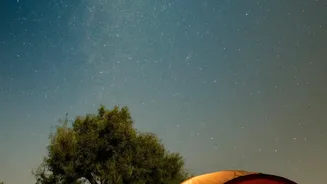
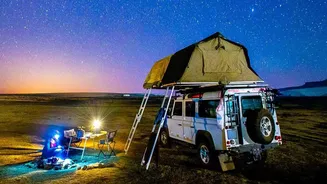
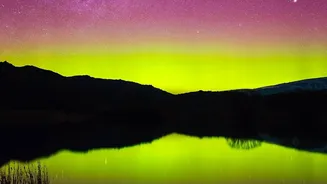
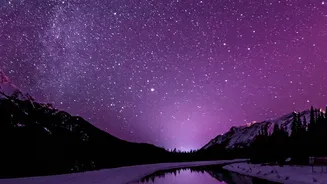
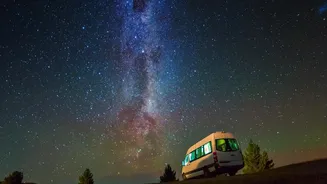
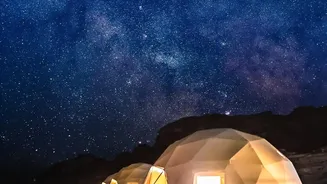
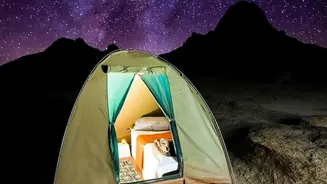
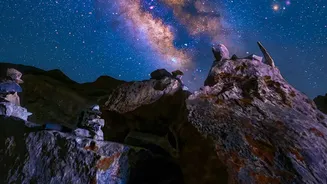
Astrotourism is travel for the purpose of stargazing, and it's booming. With light pollution obscuring the view for over 99% of people in Europe and North America, travellers are increasingly heading to remote locations known as 'Dark-Sky Sites'. These
areas, often certified by organisations like DarkSky International, are recognised for their exceptional starry nights and are actively protected. This form of tourism goes beyond just looking up; it often includes activities like moonlit hikes, astrophotography workshops, and learning about celestial events. The appeal is simple: to reconnect with a natural wonder that has been lost to modern urban life and experience the awe of a truly dark, star-filled sky.
An Economic Lifeline for Remote Villages
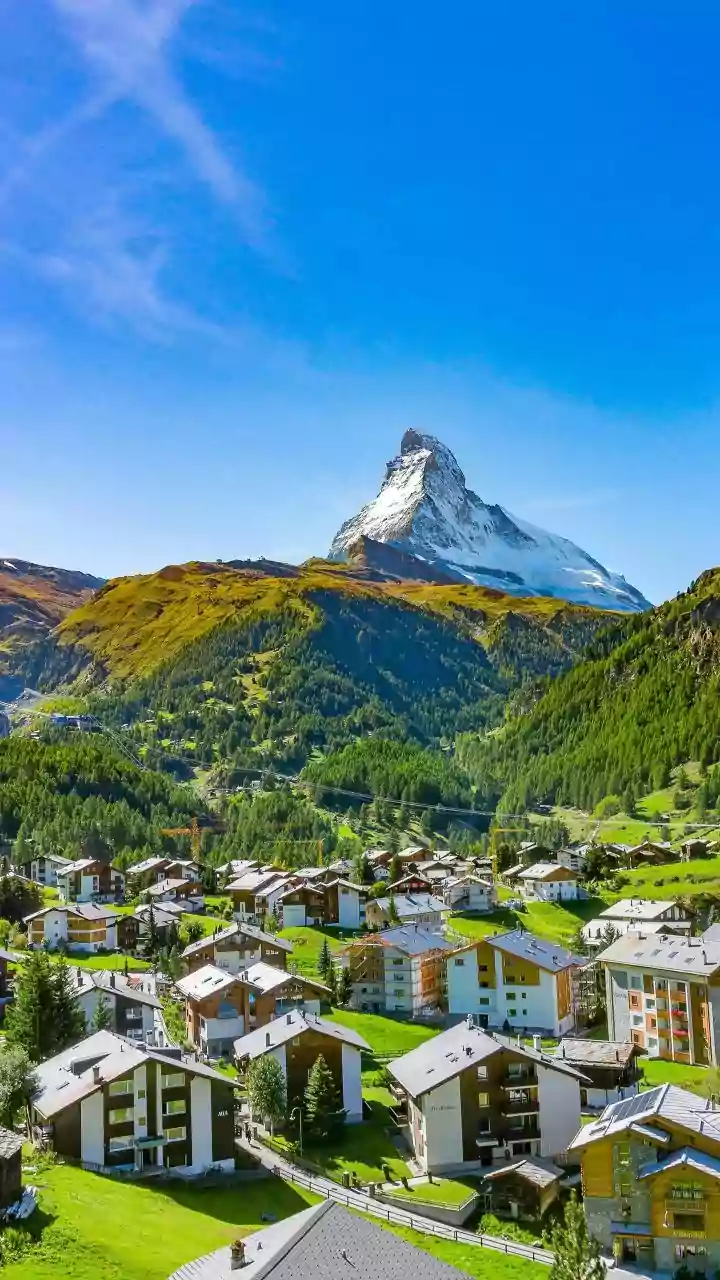
For small, often isolated villages near these dark-sky sites, astrotourism can be a powerful economic engine. It brings visitors who stay overnight, eat at local restaurants, and buy local goods, injecting vital income into the community. This can create new jobs for guides, homestay owners, and hospitality staff, helping to combat rural depopulation by offering young people a reason to stay. Unlike seasonal tourism, the sky is a year-round attraction, providing a more stable, consistent source of revenue. Studies have shown significant economic benefits, with projections for some regions showing billions of dollars in revenue and the creation of thousands of jobs over a decade. In essence, the night sky becomes a valuable natural asset that can foster sustainable development.
When Tourism Brings Its Own Shadow
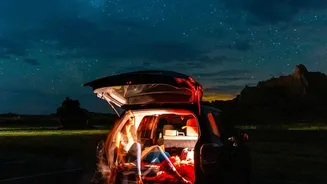
However, this boom comes with a significant risk. If not managed carefully, the very tourists coming to see the dark sky can inadvertently destroy it. An influx of visitors can lead to increased artificial light from cars, unregulated accommodations, and phone screens. This can disrupt sensitive nocturnal wildlife that relies on darkness for survival. Furthermore, a surge in tourism can strain the limited resources of a small village, impacting everything from water supply to waste management. Without proper planning, there's also a risk of cultural disruption and turning a quiet community into an overcrowded tourist hotspot, which can ultimately harm the quality of life for residents.
A View from India: The Hanle Example
In India, the village of Hanle in Ladakh is a prime example of putting responsible astrotourism into practice. Designated as India's first Dark Sky Reserve, the area around the Indian Astronomical Observatory is protected from light pollution. The initiative is a collaboration aimed at boosting the local economy while preserving the pristine skies for scientific research and tourism. Local villagers are trained as 'Astronomy Ambassadors' to guide tourists, operate telescopes, and share their cultural heritage. This 'Astrostays' model ensures that the economic benefits flow directly to the community, creating sustainable livelihoods and empowering residents, particularly women, while giving travellers an authentic and educational experience.
How to Be a Responsible Astro-Tourist
Participating in astrotourism ethically is crucial. The key principle, championed by groups like DarkSky International, is to use light responsibly. This means using red-light torches, as white light impairs night vision. It also means avoiding camera flashes and unnecessary vehicle headlights. Responsible tourists should also adhere to Leave No Trace principles, respect local regulations and private property, and support the local economy by hiring local guides and staying in establishments that follow dark-sky-friendly lighting practices. Many certified lodges now offer amenities like blackout curtains and use shielded, warm-coloured outdoor lights to minimise their impact. The goal is to ensure your visit supports the community and helps preserve the darkness you came to enjoy.