



A Global Nod for a Local Gem
In a city of sprawling colonies and historic districts, the unassuming urban village of Humayunpur has achieved a remarkable feat. The neighbourhood, tucked into South Delhi's Safdarjung Enclave, was recently ranked 16th on Time Out's prestigious 2026
list of the '40 Coolest Neighbourhoods in the World'. This places it alongside trend-setting districts in global cities like Seoul, Tokyo, and Rome. The ranking celebrated Humayunpur for its unique blend of food, independent businesses, and a strong sense of community, confirming what locals and in-the-know foodies have understood for years: this place is special.
The Flavour of the Northeast
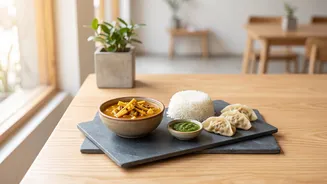
At the heart of Humayunpur's appeal is its food. It stands as Delhi's unofficial capital for Northeast Indian cuisine. The neighbourhood's story is one of migration; over decades, it became a home for students and workers from Nagaland, Manipur, Assam, and other states. This community brought its culinary traditions, transforming the local food scene. Today, its narrow lanes host over 50 eateries. You can find authentic Naga thalis featuring smoked pork and axone (fermented soybean), Manipuri black rice dishes, Mizo delicacies, and Tibetan momos and thukpa. Beyond regional Indian food, the area has blossomed into a hub for other Asian cuisines, with Korean, Vietnamese, and Japanese restaurants adding to the diverse palate.
More Than a Food Hub
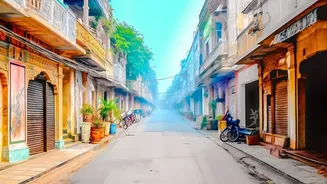
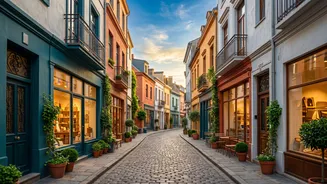
While food put Humayunpur on the map, its character is shaped by a thriving ecosystem of independent businesses. The streets are a vibrant tapestry of commerce that goes far beyond restaurants. You'll find K-pop merchandise stores, shops selling hard-to-find Asian groceries, and boutiques offering Korean skincare products. This is complemented by thrift stores, indie fashion labels, tattoo studios, and karaoke bars that keep the neighbourhood buzzing well into the night. Unlike a planned market, Humayunpur's commercial life is organic, with small storefronts and shops creating a dense, walkable, and endlessly discoverable environment.
The Price of Being 'Cool'
This brings us to the important question the headline hints at. What happens when a hidden gem is broadcast to the world? The very forces that made Humayunpur cool—its affordability, its organic growth, and its role as a safe haven for a specific community—are now under threat. The phenomenon of gentrification, where rising popularity leads to increased rents and the displacement of original residents and businesses, is a real danger. As the neighbourhood becomes a 'destination', property values are likely to soar. Small, family-run eateries may be priced out by larger, more commercial ventures. The authentic community feel could be diluted by a more transient, trend-chasing crowd. The challenge for Humayunpur is to navigate this newfound fame without losing its soul.