





The First Rule: Match Intensity
The foundational principle of pairing coffee and chocolate is to match their intensity. A rich, powerful chocolate dessert will completely overwhelm a delicate, light-bodied coffee, rendering its subtle notes invisible. Conversely, a bold, smoky dark
roast can dominate a lighter chocolate treat. As a general rule, pair lighter coffees with lighter desserts and darker, more robust coffees with heavier, richer desserts. Think of it as a partnership where both sides need to have an equal voice. A dense, fudgy chocolate cake requires a coffee that can stand up to its richness, while a milk chocolate mousse needs a gentler counterpart.
To Complement or Contrast Flavors
Once you have matched the intensity, you can decide whether you want to complement or contrast the specific flavor notes. A complementary pairing finds common ground, matching similar flavors to enhance them. For example, a coffee with nutty undertones will beautifully amplify a chocolate dessert that contains almonds or hazelnuts. A contrasting pairing, on the other hand, uses opposing flavors to create a balanced and dynamic experience. The natural bitterness and acidity in coffee can cut through the sweetness of a very rich dessert, cleansing the palate and preventing the combination from feeling too heavy.
Light Roasts for Fruity and Delicate Desserts
Light roast coffees are known for their bright acidity and often carry fruity, floral, or citrusy notes. These delicate characteristics make them an ideal partner for desserts that share a similar profile or those that benefit from a zesty counterpoint. Pair a light roast from Ethiopia or Kenya with desserts like a chocolate torte topped with raspberries, chocolate-covered strawberries, or a lemon and white chocolate creation. The coffee's bright acidity will lift the richness of the chocolate and amplify the fruit flavors, creating a vibrant and refreshing experience.
Medium Roasts: The Versatile Crowd-Pleaser
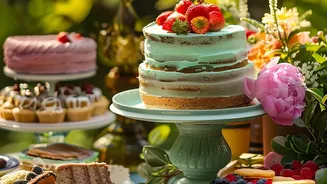
Medium roast coffees are the all-rounders of the coffee world, offering a balanced profile of sweetness, body, and acidity. Their flavor notes often lean towards caramel, nuts, and milk chocolate, making them incredibly versatile for dessert pairings. A classic, moist chocolate layer cake or a fudgy brownie finds its perfect match in a smooth medium roast, perhaps from Colombia or Brazil. The balanced nature of the coffee complements the straightforward richness of these desserts without competing. This is also an excellent choice for a simple milk chocolate bar or chocolate chip cookies.
Dark Roasts for the Most Decadent Desserts
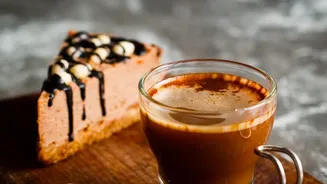
When you are indulging in the richest, most intense chocolate desserts, you need a coffee with equal power. Dark roasts and espresso, with their bold, smoky, and full-bodied profiles, are the answer. These coffees have low acidity but a powerful flavor that can stand shoulder-to-shoulder with desserts like a flourless chocolate cake, a dark chocolate lava cake, or dense, bittersweet truffles. The coffee's inherent bitterness beautifully cuts through the intense sweetness and richness, while its own chocolatey notes echo the dessert, creating a deeply satisfying and harmonious pairing.
Beyond the Roast: Consider the Brew
The way you brew your coffee also affects its body and texture, which plays a role in the pairing. A French press, for instance, produces a full-bodied coffee that can hold its own against richer desserts. A pour-over method often results in a cleaner, lighter-bodied cup that is better suited for more delicate pairings. Even temperature can create an interesting dynamic; the classic Italian affogato, a scoop of vanilla gelato or ice cream topped with a shot of hot espresso, is a perfect example of how contrasting temperatures can create a delightful sensory experience.