



The Allure of the Liquid Lunch
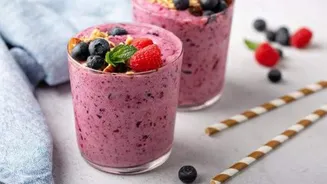
In our quest for efficiency, many of us have embraced liquid meals. Smoothies, protein shakes, and meal replacements promise a quick, convenient, and easily digestible way to get a host of nutrients without the hassle of cooking and cleaning. They seem
like the perfect solution for a busy morning or a post-workout refuel, often packed with protein and fibre—two ingredients widely known to promote fullness. Yet, despite their impressive nutritional profiles, they can sometimes fail to deliver on one key promise: lasting satiety. This paradox leaves many people confused and reaching for a snack shortly after, wondering why a 400-calorie shake doesn't hold them over like a 400-calorie solid meal.
Your Stomach on Solids vs. Liquids
The primary reason for this difference in satisfaction lies in how our bodies physically process solids and liquids. Solid food requires chewing, which is the first step in the digestive process. This mechanical act of mastication slows down your eating rate and sends early satiety signals to your brain, letting it know that substantial food is on the way. Furthermore, solid food sits in your stomach for a longer period. This gastric distension, or stretching of the stomach, is a powerful signal of fullness. Liquids, on the other hand, bypass chewing entirely and empty from the stomach much more quickly. Because they don't linger, the stomach-stretch signals are weaker and shorter-lived, even if the calorie count is identical to a solid meal.
The Hormonal Fullness Factor
Satiety isn't just a physical feeling; it's also a complex hormonal process. When you eat a solid meal, the prolonged digestion process triggers a more robust release of satiety hormones like PYY and GLP-1. These hormones travel to your brain, signalling that you are full and satisfied. Because liquid meals are digested and absorbed more rapidly, this hormonal response can be blunted. The nutrients are processed so quickly that the body doesn't receive the same strong, sustained 'I'm full' message. This means that even a shake loaded with protein and fibre—which are known to trigger these hormones—may not produce the same satisfying effect as when they are part of a solid meal, simply because of the speed at which they are consumed.
Why Protein and Fibre Aren't Always Enough
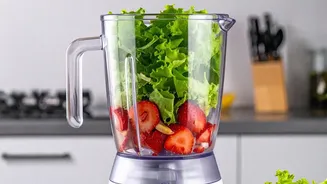
So what about the protein and fibre in your smoothie? It’s true that blending does not destroy fibre; it simply breaks it into smaller pieces. And both nutrients are crucial for feeling full. Protein has the highest thermic effect of food, meaning your body burns more calories digesting it, and both protein and fibre slow down digestion. However, when these nutrients are pre-pulverised in a blender and consumed in liquid form, their satiating power can be diminished. The lack of chewing and faster gastric emptying mean your brain and gut have less time to register their presence. The body seems to compensate less effectively for liquid calories, meaning you may not naturally reduce your intake at the next meal to make up for the calories you drank.
How to Make Your Liquid Meal More Satisfying
If you love the convenience of liquid meals but want them to keep you fuller for longer, you can make a few simple adjustments. First, ensure your smoothie is well-balanced with a combination of fibre, protein, and healthy fats. Healthy fats from sources like avocado, nut butter, or chia seeds can significantly slow down stomach emptying and improve satiety. Instead of using fruit juice, which lacks fibre, use whole fruits and vegetables. Consider adding a source of soluble fibre like rolled oats, which can thicken the smoothie and make it feel more substantial. Finally, slow down. Sip your smoothie over 15-20 minutes instead of gulping it down in two. This gives your brain and digestive system more time to process the incoming nutrients and register fullness, more closely mimicking the experience of eating a solid meal.