








A Special Delivery to the Palace of Nations
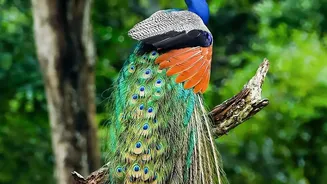
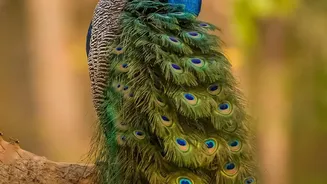
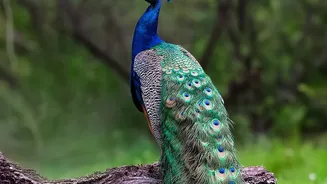
Five young Indian peacocks were formally welcomed to the grounds of the United Nations Office at Geneva in a special ceremony. The group consists of four classic blue peafowl and one rare white-feathered male. Their arrival was the result of a meticulously
planned operation, with the birds even transported in a specially modified ambulance to ensure they were not stressed during the journey. The transfer was handled by India's Permanent Representative to the UN in Geneva, Arindam Bagchi, who presented them to UNOG Director-General Tatiana Valovaya. For the next three months, these feathered diplomats will acclimate in a temporary aviary within the serene Ariana Park before being allowed to roam freely across the 46-hectare UN campus. Their care will be overseen by staff from the Geneva Bioparc zoo, ensuring a smooth transition to their new, prestigious home.
More Than a Bird, A National Symbol
The choice of the Indian Peacock, or Pavo cristatus, is deeply symbolic. As India's national bird, it holds a special place in the country's heart and heritage, representing grace, beauty, and resilience. The peacock is a recurring motif in Indian art, mythology, and literature, making it a powerful emblem of the nation's rich cultural fabric. This gift was hailed by India's Permanent Mission to the UN as another dimension of the partnership between the nation and the global body. The composition of the group—four blue and one white bird—was also a subtle nod to the official blue and white colours of the United Nations, blending India's national pride with a sign of respect for the host institution.
Reviving a Diplomatic Tradition
This is not the first time India has sent its national bird to Geneva. The gesture revives a tradition that dates back 45 years to 1981, when then-Prime Minister Indira Gandhi gifted a breeding pair of peacocks to the UN office. The practice of keeping peacocks in Ariana Park is even older, predating the UN itself. It began when the original owner of the estate, Gustave Revilliod, bequeathed the property to the city of Geneva in 1890 with the specific condition that peacocks must always roam the grounds. India's latest gift helps replenish the park's flock, which had dwindled to a single bird, ensuring this century-old tradition continues.
The Art of 'Feathered Diplomacy'
In a world familiar with China's 'panda diplomacy', India's gesture is a striking example of 'peacock diplomacy'. It's a form of soft power, where cultural symbols are used to build relationships and communicate goodwill on the international stage. By gifting its national bird, India is sending a message of friendship, commitment to biodiversity, and its enduring partnership with the United Nations. The arrival of the peacocks serves as a reminder that diplomacy isn't only forged in negotiation rooms but also through meaningful cultural connections and symbolic acts that foster mutual respect and understanding between nations.