




Not the Bloom You're Expecting
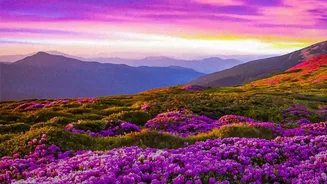
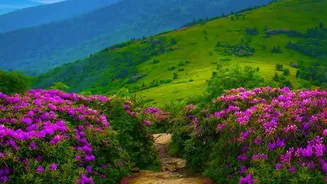
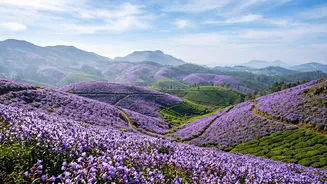
If your social media is flooded with images of purple hills, you might think the famous once-in-12-years spectacle has arrived early. The last major, widespread bloom was in 2018, with the next one scheduled for 2030. So, what's happening now? The truth
is a bit more complex and fascinating. The Western Ghats are home to different populations of Neelakurinji shrubs, and not all of them are on the same 12-year clock. The current bloom in September 2026 is a genuine Neelakurinji event, but it's happening in specific, localized pockets like the Korandakadu hills near Mattupetty and Chokramudi. This population last flowered in 2014, making 2026 its scheduled moment to shine. The massive, valley-spanning event centered in Eravikulam National Park is still patiently waiting for 2030.
The 12-Year Secret
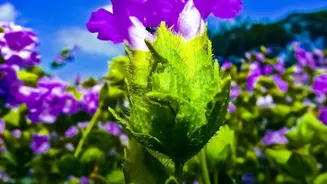
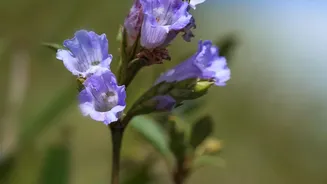
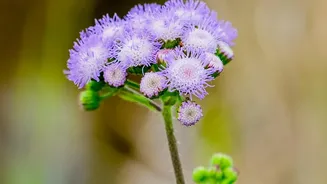
What makes Neelakurinji, or Strobilanthes kunthiana, so enchanting is its life cycle, a phenomenon known as gregarious flowering. This shrub is 'monocarpic', meaning it flowers only once in its lifetime. For over a decade, the plant quietly grows, saving up its energy for one final, spectacular act. Then, in perfect synchrony with its cohort, it bursts into a sea of flowers, a strategy thought to overwhelm predators and ensure successful pollination. After this grand display, the plant sets seed for the next generation and dies, leaving the seeds to begin the 12-year count all over again. This natural clock is so reliable that the local Paliyan tribe has traditionally used the blooming cycles to mark their age.
How to See the 2026 Bloom Responsibly
To witness the current spectacle, you'll want to head towards the specific areas where flowering has been reported. The hills around Mattupetty, particularly Korandakkad, and the Chokramudi peak are the primary locations for the 2026 bloom. To manage the rush and protect the fragile ecosystem, authorities have put rules in place. Entry is ticketed, with prices around ₹200-₹250 for adults, and there are designated visiting hours, typically from morning until late afternoon. Private vehicles may be restricted from going all the way to the viewpoints; instead, visitors can use KSRTC shuttle buses from Munnar town, which helps ease traffic congestion. The bloom is a fleeting event, generally visible through September, but its intensity can depend on local weather conditions like rain and sun.
A Flower Worth Protecting
The breathtaking beauty of the bloom comes with a heavy responsibility. The Neelakurinji is a protected plant, and its shola-grassland habitat is incredibly fragile and under threat from habitat loss and climate change. In fact, the species was recently classified as 'Vulnerable' on the IUCN Red List. As a visitor, your role in its conservation is critical. The rules are simple but strict: do not pluck the flowers or uproot the plants. Doing so is a serious offense that can lead to hefty fines and even imprisonment under the Wildlife Protection Act. Stick to the designated trails to avoid trampling the surrounding vegetation, which is essential for the next generation of plants. The goal is to leave the purple hills as pristine as you found them, ensuring this natural wonder can continue for decades to come.
Mark Your Calendar for 2030
While the 2026 bloom is a rare treat, the next great mass flowering is the one for the long-term travel planner. In 2030, the main population of Neelakurinji in and around Eravikulam National Park is expected to bloom. This is the event that truly transforms the region into the iconic 'blue mountains' that give the Nilgiris their name. Eravikulam National Park, also a sanctuary for the endangered Nilgiri Tahr, will be the epicenter of this phenomenon. The 2018 bloom attracted lakhs of tourists, and 2030 is expected to be even bigger. Consider the current flowering a beautiful preview, an appetizer for the grand natural feast that awaits in just a few years.