



Tomatoes: Keep Them Flavourful
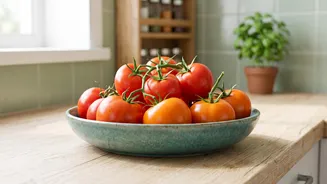
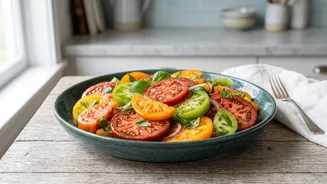
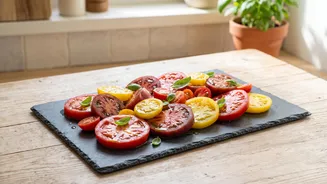
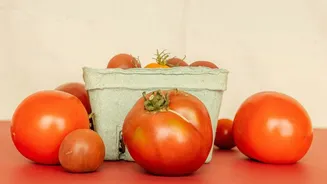
The single biggest mistake people make with tomatoes is putting them in the fridge. While it may slow down the visible ageing process, the cold temperature is a flavour killer. Chilling halts the natural ripening process and damages the membranes inside
the fruit's walls, resulting in a mealy, mushy texture. A study published in the 'Proceedings of the National Academy of Sciences' found that cold temperatures stop tomatoes from producing the volatile compounds that create their signature sweet and complex taste. Even a few days in the cold can permanently dull their flavour. The best way to store tomatoes is at room temperature on your countertop, out of direct sunlight. This allows them to ripen fully and maintain the delicious taste you expect. If they are perfectly ripe and you need to extend their life for another day or two, refrigeration is a last resort, but be sure to let them return to room temperature before eating to reclaim some flavour.
Potatoes: Avoid a Sweet and Gritty Fate
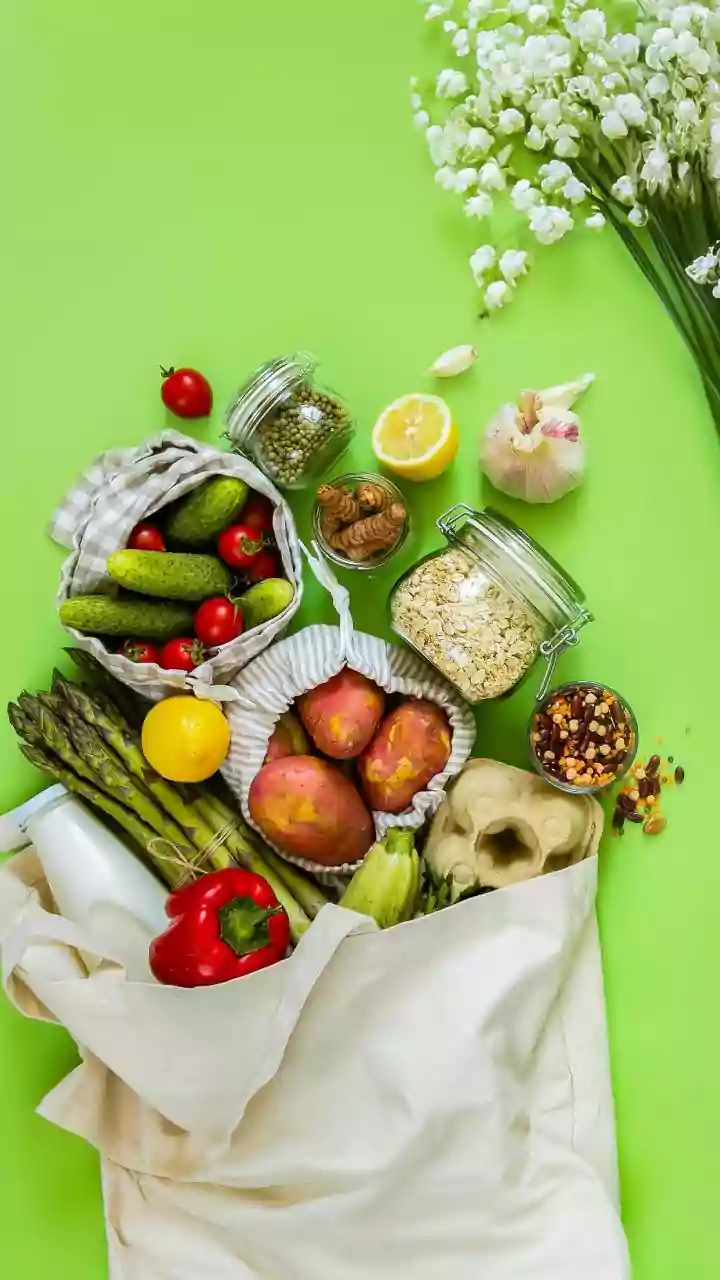
Potatoes thrive in cool, dark, and dry conditions, but the refrigerator is simply too cold. When stored below about 7°C, the starch in a potato begins to convert into sugar. This process gives the potato an unpleasantly sweet taste and a gritty, sandy texture once cooked. Furthermore, this increase in sugar can lead to higher levels of a chemical called acrylamide when the potatoes are fried, roasted, or baked at high temperatures. While research on its effects on humans is ongoing, acrylamide has been linked to cancer in animal studies. For optimal storage, keep your potatoes in a well-ventilated paper bag, basket, or cardboard box in a cool, dark place like a pantry or cellar. Never store them in plastic bags, which trap moisture and accelerate spoilage, and keep them away from onions, as the gases they release can cause potatoes to sprout faster.
Bread: Fight Staleness by Staying Out of the Cold
It seems counterintuitive, but refrigerating bread actually makes it go stale faster. The cold, humid environment of a fridge accelerates a process called starch retrogradation, where the starch molecules recrystallise and push water out, making the bread hard, dry, and chewy. This is different from simply drying out; it’s a chemical change that ruins the bread's texture. The best place for a loaf you plan to eat within a few days is a breadbox, which allows for some air circulation while protecting it from becoming too dry. You can also wrap it in a paper or linen bag. For long-term storage, the freezer is your best friend. Slicing the bread before freezing allows you to take out only what you need, and a quick trip to the toaster will revive it perfectly.
Onions and Garlic: Give Them Air
Onions and garlic are pantry staples that detest the humidity of the refrigerator. The moist environment encourages them to become soft, sprout, and develop mould. They need good air circulation to stay fresh for weeks or even months. The ideal storage spot is a cool, dark, and dry place with plenty of airflow, like a cellar or a pantry. Storing them in a mesh bag, a basket, or even a paper bag with holes punched in it works well. It’s also crucial to store them separately from other produce, especially potatoes. Onions release ethylene gas that can cause potatoes to spoil prematurely, while the moisture from potatoes can make onions rot.
Honey: Prevent Unnecessary Crystallisation
Honey is a natural preservative and does not need to be refrigerated. Its low water content and acidic nature make it incredibly shelf-stable; in fact, edible honey has been found in ancient Egyptian tombs. Putting honey in the fridge does it a disservice by speeding up the process of crystallisation. While crystallised honey is still perfectly safe to eat, it becomes thick, grainy, and difficult to pour. To keep your honey smooth and liquid, simply store it in a tightly sealed container at room temperature in a cool, dark pantry. If your honey does crystallise, you can easily return it to its liquid state by placing the jar in a bowl of warm water for a few minutes.
Coffee: Protect the Aromatic Oils
Whether you have whole beans or grounds, the refrigerator is one of the worst places to store coffee. Coffee is porous and will readily absorb moisture and odours from the surrounding environment, which can ruin its delicate flavour. The temperature fluctuations and condensation from opening and closing the fridge door are particularly damaging to the coffee's aromatic oils. To preserve its flavour and freshness, store coffee in an airtight, opaque container at room temperature. A dark cupboard or pantry, away from heat and light, is the perfect home for your coffee beans.