




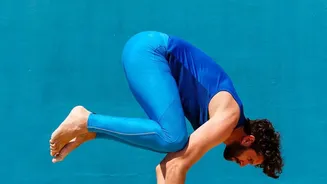
Yoga: Mastering Your Internal GPS
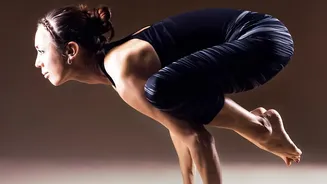
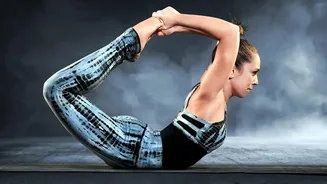
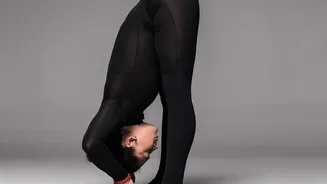
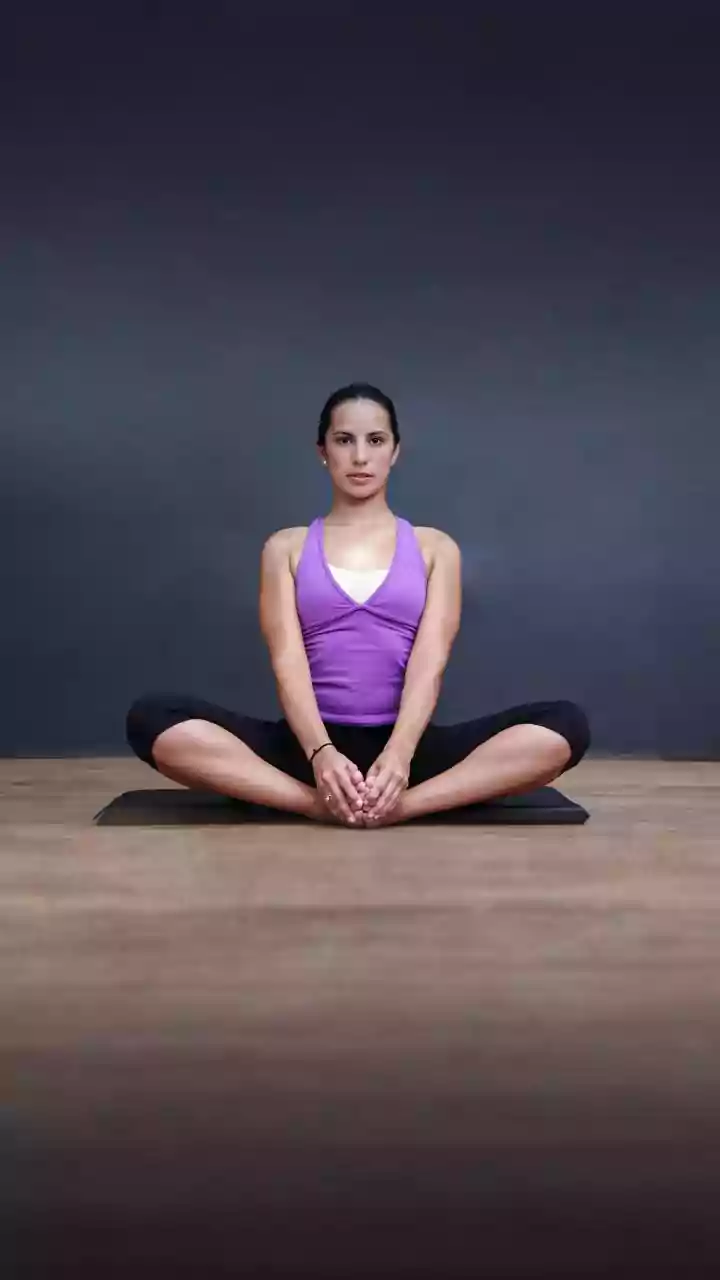
Yoga is often praised for its ability to improve flexibility and reduce stress, but one of its most profound benefits is the enhancement of proprioception. Think of proprioception as your body's internal GPS, a sense that allows you to know where your limbs
are in space without having to look at them. This 'sixth sense' is managed by proprioceptors—neurons in your muscles and tendons that send rapid-fire messages to your brain about your body's position, movement, and balance. When you hold a challenging pose like Tree Pose (Vrksasana), your brain is constantly receiving feedback from your ankles and feet to keep you from toppling over. Consistent practice strengthens these neural pathways, leading to significantly better coordination and physical control. This is why yoga is considered a powerful mind-body exercise; it biologically alters how your nervous system communicates with your joints, making you more aware and in command of your movements.
From the Mat to Everyday Movement
This heightened body awareness, or spatial control, isn't just for perfecting complex yoga postures. It translates directly into improved balance, more graceful movements, and a lower risk of injury in all aspects of life. Developing good proprioception helps you move with intuitive stability, whether you're navigating a crowded street or playing another sport. Furthermore, yoga cultivates interoception—the ability to feel internal physical sensations, such as your heartbeat or the expansion of your lungs. By focusing on controlled breathing (pranayama), you train your brain to notice subtle internal cues. This skill is crucial for recognizing the early signs of muscle fatigue or strain, allowing you to adjust your effort before an injury occurs. This mindful connection prevents you from pushing your body past its safe limits, a common issue in more explosive forms of exercise.
Skipping: The Ultimate Heart Rate Accelerator
If yoga is about quiet control, skipping is about explosive power. Jumping rope is a formidable cardiovascular exercise that elevates your heart rate almost instantly by engaging multiple muscle groups at once. This high-intensity activity is considered a form of plyometric training, which involves quick, powerful movements designed to increase speed and strength. Studies have shown that jumping rope can be a highly efficient way to improve heart health, sometimes even more so than other forms of cardio. For instance, research has demonstrated that regular skipping can significantly improve VO2 max, which is the measure of how much oxygen your body can use during intense exercise. A higher VO2 max means your heart and lungs are working more efficiently, allowing you to sustain physical activity for longer with less effort. Just 15 minutes of this vigorous workout five times a week can lead to substantial improvements in cardiovascular fitness.
Building Agility and Lightning-Fast Feet
Beyond its heart-pumping benefits, skipping is an elite tool for developing foot speed and agility. The exercise demands precise coordination between your eyes, hands, and feet, forcing you to maintain rhythm and balance through repetitive movements. This constant practice sharpens your reflexes and enhances motor coordination. For athletes in sports like boxing, football, or basketball, this translates to quicker feet and better control over body movements on the field or court. But the benefits aren't just for professional athletes. The repetitive impact strengthens the muscles and connective tissues around your ankle and knee joints, which can help reduce the risk of common lower-body injuries. By teaching your feet to make thousands of small, rapid adjustments, skipping builds a foundation of stability and reactive strength that supports all other physical activities.
A Perfect Pair for Balanced Fitness
The true magic happens when you combine the stillness of yoga with the speed of skipping. They are not competing philosophies but complementary practices that create a well-rounded, resilient physique. The spatial awareness and joint stability gained from yoga provide the ideal foundation for the high-impact, fast-paced nature of skipping, helping to prevent injuries. Knowing your body's limits—a skill honed through yoga's interoceptive practice—ensures you don't overdo it during an intense skipping session. Conversely, the cardiovascular endurance built by skipping allows you to hold demanding yoga poses for longer and move through challenging sequences with more stamina. Skipping builds explosive power and heart health, while yoga provides the control, balance, and recovery needed to sustain that power safely. Together, they balance the scales of fitness, proving that both mindful movement and high-intensity training are essential for a truly healthy body.