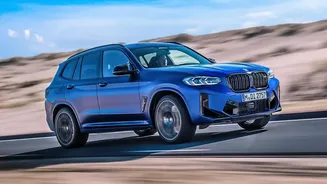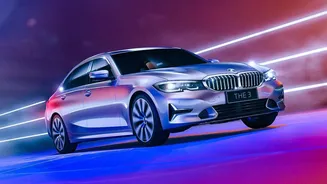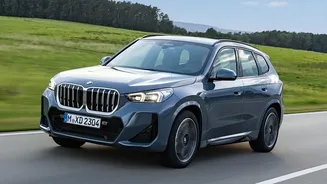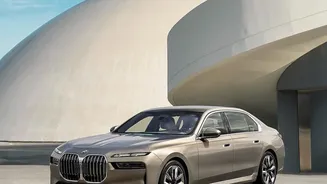


An Ambitious Product Offensive
BMW's strategy for India is one of relentless momentum. At the start of 2026, the company announced its most ambitious product plan ever for the country, promising around 25 new and updated models throughout the year. The first wave of 11 vehicles, which
included a mix of sedans, SUVs, and electrics, has already been met with huge demand, with the company reporting that all units have been sold out. This overwhelming response has given BMW the confidence to push forward with the second phase of its plan: launching the 14 remaining models in the coming months. This isn't just about flooding the market with new cars; it's a calculated move to offer the freshest portfolio in the luxury segment and cater to a rapidly diversifying customer base. This product blitz is complemented by an equally aggressive retail expansion. The automaker plans to expand its footprint from around 40 to 50 cities by the end of 2026, bringing the brand closer to affluent customers in emerging Tier-2 and Tier-3 markets like Mysore, Nashik, and Guwahati.
A Three-Pronged Attack
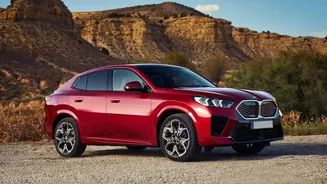
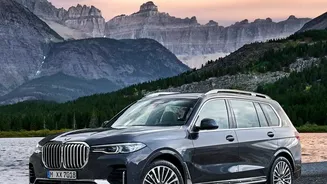
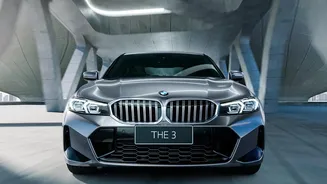
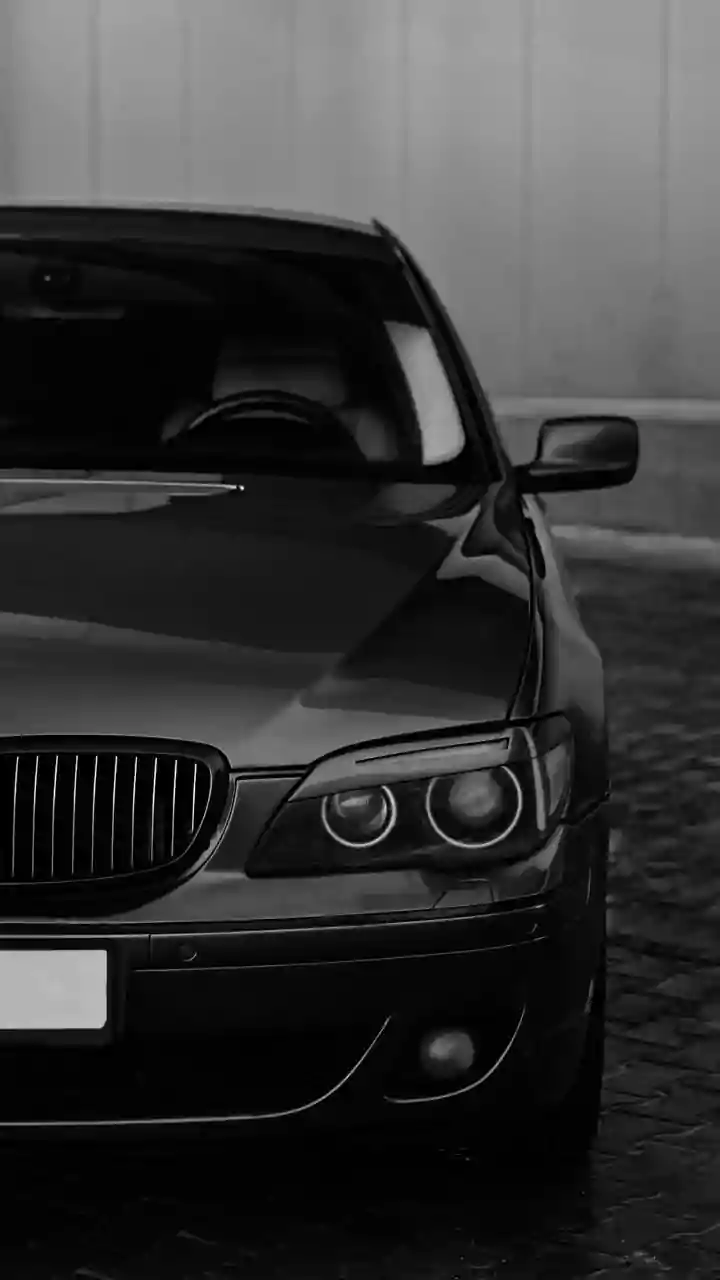
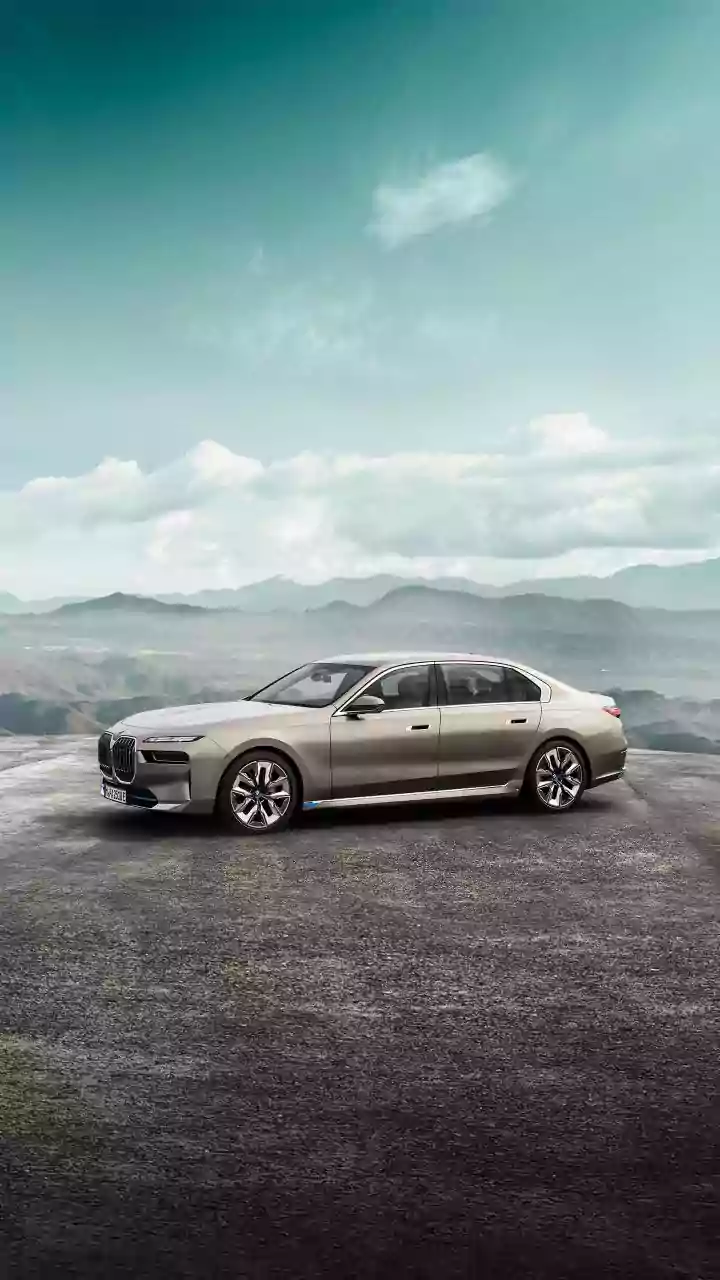
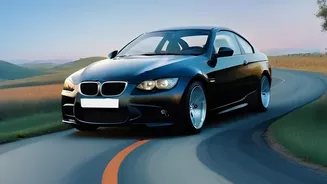
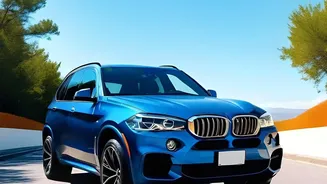
The upcoming 14 launches are not a monolithic block but a carefully segmented assault on the luxury market. The strategy appears to focus on three core pillars that are currently driving growth. First is the immensely popular Sports Activity Vehicle (SAV) segment, where models like the X5 and X7 are expected to see significant updates. Given that SUVs now account for a dominant share of the Indian luxury market, strengthening this lineup is crucial. Second is the focus on high-performance models from its 'M' division. These cars appeal to driving enthusiasts and serve as powerful halo products, elevating the brand's image of performance and engineering prowess. Finally, BMW continues to bolster its core sedan lineup, with potential updates to the globally popular 3 Series and 7 Series, which have found particular success in India in their long-wheelbase formats.
Charging Ahead in the EV Race
Perhaps the most critical component of BMW’s strategy is its major push into electric mobility. The company has already established itself as the leader in the luxury EV space in India, and it plans to widen that lead. A significant portion of the new launches will be electric. In the first half of 2026 alone, BMW India’s EV sales skyrocketed by 78%, accounting for a remarkable 26% of its total volume. Models like the iX1, which is locally assembled at the Chennai plant, have made premium EVs more accessible. The upcoming slate is expected to include more EVs, potentially including the highly anticipated 'Neue Klasse' (New Class) of vehicles, which represent the future of BMW's electric design and technology. By offering a comprehensive range of electric cars—from SAVs to sedans—BMW is positioning itself to capture the growing wave of environmentally conscious luxury buyers.
The Battle for the Luxury Crown
BMW's aggressive maneuvers are taking place within a fiercely competitive landscape. The Indian luxury car market, valued at over USD 1.5 billion, is seeing robust growth as disposable incomes rise and aspirational demand surges. For years, Mercedes-Benz has held the top spot, but BMW is now mounting its most serious challenge in over a decade. The sales gap is narrowing, and BMW even managed to outperform its rival in quarterly retail sales for the first time in 13 years recently, a significant psychological victory. This product offensive, with its focus on high-growth segments like SUVs and EVs, is a direct strategy to seize the leadership position. With Audi also rejuvenating its product lineup, the competition at the top of India's luxury market has never been more intense.