





Rethinking the Traditional Vrat Thali
For many observing the Sawan fast, the daily meal plan often revolves around a familiar cast of ingredients: sabudana (tapioca pearls), potatoes, and various vrat-friendly flours like kuttu (buckwheat) and singhara (water chestnut). While these foods
provide quick energy, they are predominantly carbohydrates and can lead to energy slumps and persistent hunger. A modern approach to fasting focuses on nutritional balance, ensuring the body gets a steady supply of energy, protein, and essential fats to stay active and feel satiated. This is where dairy and nuts come in, transforming the fast from an endurance test into a nourishing spiritual practice.
The Sustaining Power of Dairy
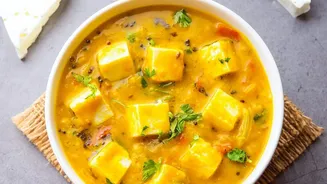
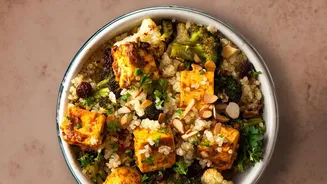
Dairy products like milk, curd (yoghurt), and paneer are permitted during Sawan and are nutritional powerhouses. Paneer is one of the best vegetarian sources of protein, a crucial nutrient that aids in muscle health and keeps you feeling full for longer. A simple paneer tikka, marinated in vrat-approved spices like cumin and black pepper and then lightly roasted, can be a satisfying meal. Curd is not only protein-rich but also provides probiotics for good gut health. A bowl of fruit chaat with a dollop of fresh curd or a refreshing glass of lassi can keep you hydrated and energised. Milk itself is considered a complete food, offering a balance of protein, carbohydrates, and essential electrolytes that help maintain hydration. A smoothie made with milk, a banana, and a few almonds can serve as a fulfilling meal on its own.
Energise Your Fast with Nuts and Seeds
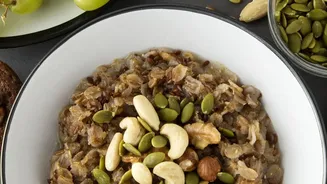
Often relegated to a garnish or a small snack, nuts are unsung heroes of the fasting diet. Almonds, walnuts, peanuts, and makhana (fox nuts) are all allowed during the Sawan vrat and offer a wealth of benefits. They are rich in healthy fats, protein, and fibre, which work together to provide sustained energy release, unlike the sharp spike and subsequent crash from high-carb foods. Walnuts are particularly noted for their omega-3 fatty acid content, which supports brain function and helps reduce fatigue. A handful of mixed nuts can be the perfect snack to beat midday sluggishness. Makhana, which are technically seeds, are low in calories but high in protein and calcium. Simply roasting them with a touch of ghee and sendha namak (rock salt) creates a crunchy, savoury snack that is far healthier than deep-fried alternatives.
Smart Swaps for a Healthier Vrat
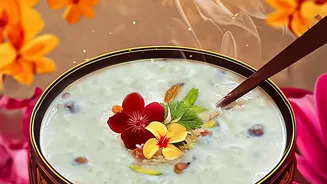
Incorporating more dairy and nuts doesn't require a complete overhaul of your fasting menu. It’s about making smart, simple swaps. Instead of the usual fried aloo chaat, try a sweet potato chaat with a curd-based dressing and a sprinkle of roasted peanuts for crunch and protein. Instead of making only kuttu puris, try a rajgira (amaranth) paratha, as amaranth flour contains more protein than many other grains. For dessert, move beyond sugary preparations and opt for a makhana kheer, which is both creamy and nutritious, or create simple energy balls by blending dates with a mix of crushed nuts. These small changes reduce the reliance on deep-frying and refined carbohydrates, leading to a more vibrant and less draining fasting period.
Achieving a Balanced Fasting Plate
The goal is not to eliminate starchy staples entirely but to create a more balanced plate. Traditional foods are part of the cultural experience of fasting. The key is moderation and combination. A small portion of samak rice (barnyard millet) can be paired with a protein-rich paneer curry. A sabudana khichdi can be made more nutritious by generously adding roasted peanuts. By consciously adding a source of protein and healthy fats from dairy and nuts to every meal, you can support your body’s needs while honouring the traditions of Sawan. This balanced approach ensures that your fast is not only spiritually fulfilling but also physically rejuvenating.