









What Sparked the Suspension?
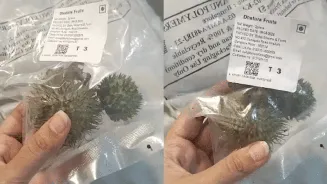
The controversy erupted after officials from the Karnataka Food Safety and Drug Administration Department discovered that Datura, a highly toxic plant, was being listed and sold for human consumption on Amazon, Swiggy's Instamart, and Tata's BigBasket.
This action followed complaints and subsequent inspections which found packets of Datura fruits and seeds being stored in warehouses and offered for sale, sometimes even carrying official FSSAI registration numbers. Datura, also known as thorn apple or Dhatura, is a poisonous plant belonging to the nightshade family. Its consumption can lead to severe anticholinergic symptoms, including delirium, tachycardia, and in extreme cases, coma and death. The authorities deemed the sale of this plant as a food product to be an unlawful and serious public health risk.
The Government's Swift Action
In response to the findings, the Karnataka government issued an order on August 24, 2026, to suspend the food licences of all three e-commerce platforms until further notice. This is not a complete ban on all their operations, but a specific suspension of their FSSAI-issued food licences, effectively halting their ability to sell food products in the state. The directive also ordered the companies to immediately remove all listings, advertisements, and promotional materials related to Datura. Furthermore, the licences of the third-party suppliers and sellers who were providing these toxic products to the platforms have also been ordered to be suspended, targeting the issue at its source.
Why These E-Commerce Giants?
The action focuses on Amazon, Instamart, and BigBasket as they are the direct point of sale for consumers and hold the licences under which these products were being sold. While they operate as marketplaces, the regulatory framework holds them accountable for the products listed on their platforms, especially those concerning public health. The case highlights a significant vulnerability in the quick-commerce model, where the pressure for speed and a vast inventory can create gaps in quality control and supplier verification. The investigation revealed that the toxic products were found stored in warehouses linked to the platforms' supply chains, making them a direct party to the distribution process.
What Does This Mean for Consumers?
For residents in Karnataka who rely on these services, this means a temporary inability to order food and grocery items from Amazon, Instamart, and BigBasket. The order is to be complied with immediately and will remain in force until the government issues further instructions. The suspension can potentially be reversed after a hearing, provided the platforms submit satisfactory responses and demonstrate compliance. Consumers are advised to be vigilant about the products they purchase, especially herbs and plant-based items. The incident serves as a stark reminder that not everything listed online is safe for consumption, and mistaken identity between edible plants and toxic ones like Datura can have severe consequences.
A Wake-Up Call for the Industry
This crackdown is more than just a temporary disruption; it's a significant wake-up call for the entire quick-commerce and e-grocery industry in India. The incident underscores the urgent need for more robust vetting of sellers and stricter quality control protocols for all products, particularly fresh produce and plant-based goods. As these platforms grow in scale, so does their responsibility to ensure the safety of their supply chain. This case is now a landmark test for how regulators will handle food safety in the digital age. The companies have been instructed to ensure strict and immediate compliance in the interest of public health, and the outcome will likely set a precedent for food safety standards across all e-commerce platforms in the country.