





At first glance, the serene, slow-motion ballet of Tai Chi seems worlds apart from the adventurous spirit of kayaking. One is grounded and meditative, the other a dance on water. Yet, a deeper look reveals a surprising and powerful connection.
The Essence of Tai Chi: A Moving Meditation
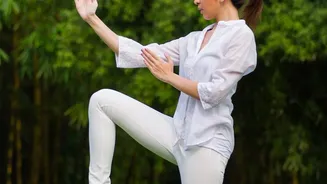
Often described
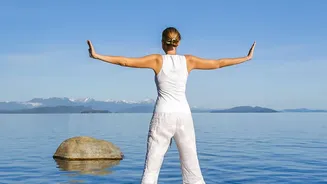
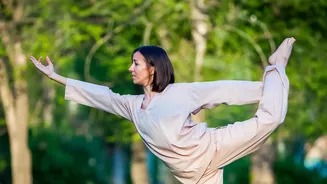
as 'meditation in motion', Tai Chi is an ancient Chinese martial art known for its slow, deliberate, and flowing sequences. The practice is built on a foundation of principles that harmonize mind and body. Movements are performed with deep awareness, controlled breathing, and an emphasis on internal focus rather than external performance. This slowness is intentional; it requires greater control, building strength without straining joints. Practitioners imagine they are moving through a gentle resistance, like water, which helps cultivate a soft inner power. The goal is to facilitate the smooth flow of internal energy, or 'qi'. This low-impact exercise is celebrated for its ability to improve balance, flexibility, muscle strength, and reduce stress. By promoting an upright posture and mindful weight transference, it trains the body's awareness of its position in space, which is crucial for stability.
The Rhythms of Kayaking: Power and Grace on Water
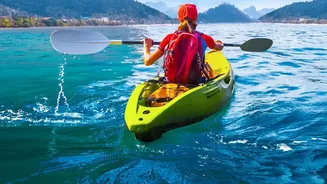
Kayaking might appear to be a simple act of paddling, but it is a highly technical sport that engages the entire body. While the arms and shoulders are involved, the true powerhouse of an effective kayaking stroke is the core. Proper technique relies on torso rotation, where the paddler twists at the waist to drive the blade through the water. This rotational movement engages the abdominal muscles, obliques, and lower back, creating a powerful and efficient stroke that reduces fatigue in the arms. Good posture is the foundation of all kayaking skills, allowing for better balance, power generation, and response to changing water conditions. Far from being just an upper-body workout, kayaking demands constant adjustments to maintain stability, significantly challenging and improving balance and coordination.
A Surprising Synergy: Core Strength and Balance
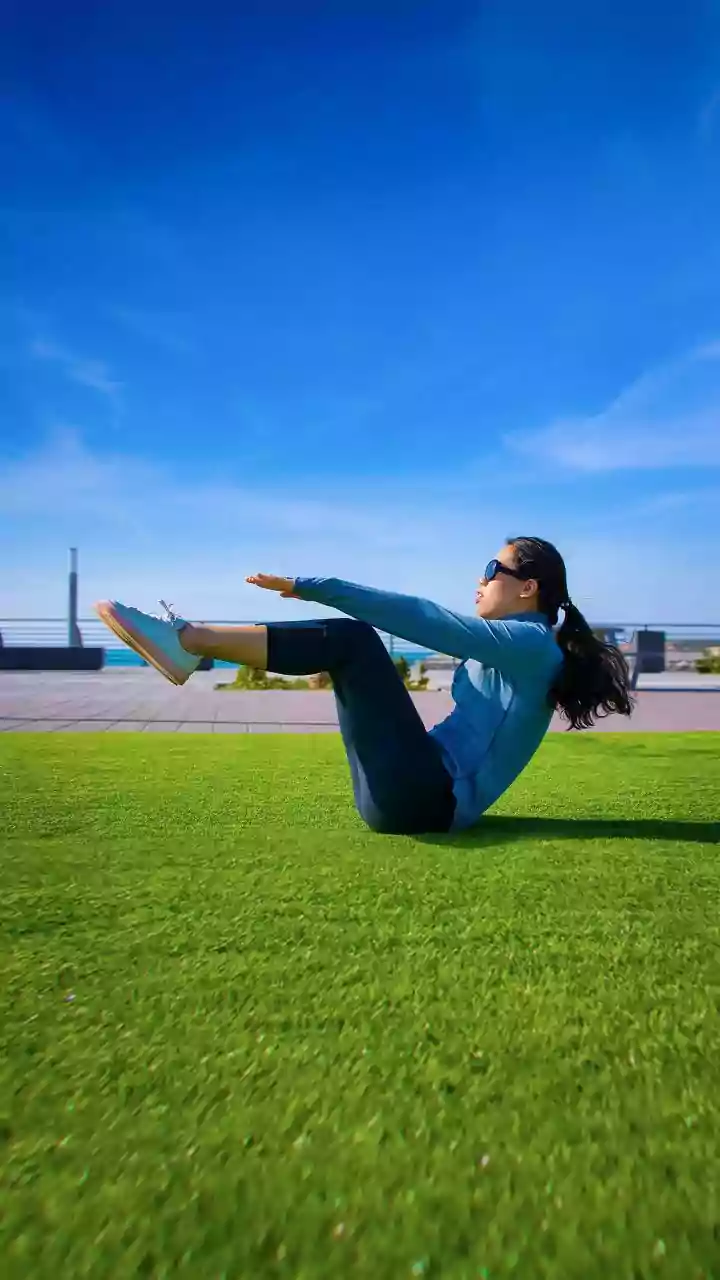
Herein lies the most profound physical link between Tai Chi and kayaking: a mutual dependence on core strength and balance. In Tai Chi, a strong core helps maintain an upright posture and controls the slow, deliberate shifts in weight that define the practice. This enhances stability and body awareness. Similarly, kayaking is fundamentally a core-driven activity. A stable, upright posture and powerful torso rotation are what separates a novice from an expert paddler, providing both power and balance. Both disciplines teach the body to move as a single, connected unit, with power originating from the center and extending to the limbs. Whether it's shifting your weight from one foot to the other on land or edging your boat for a turn on the water, the principles of maintaining a stable core and a keen sense of balance are identical.
Finding the Flow: Mindfulness on Land and Water
Beyond the physical mechanics, both activities are powerful tools for cultivating mindfulness and achieving a 'flow state'—a mental state of being completely focused on a single task. Tai Chi's slow pace and focus on breath naturally quiet the mind, reduce stress hormones like cortisol, and promote a sense of calm. The practice demands full attention on the present moment, on the precise execution of each movement. Kayaking, especially in moving water, also pulls practitioners into the present. The rhythmic nature of paddling can induce a meditative state, where the mind clears and connects with the moment. To navigate effectively, a kayaker must be fully attuned to their surroundings—the feel of the boat, the movement of the water, the placement of the paddle—creating a state of heightened awareness that is, in essence, mindfulness in action.