


An Instinct for Indulgence
When the monsoon arrives, it’s not just the landscape that transforms. A near-instinctive desire for particular foods surfaces across the country. Psychologists and food historians note that this isn't just about hunger; it’s a complex response tied to memory,
emotion, and physiology. The dip in temperature and sunlight can cause a slight drop in mood-regulating serotonin, prompting the brain to seek a quick lift from foods high in fat, salt, and carbohydrates. A plate of hot, fried snacks delivers this reward efficiently. Furthermore, cooler, damp weather makes the body naturally gravitate towards calorie-dense foods that provide internal warmth. This craving for pakoras, samosas, and bhajiyas is less a conscious choice and more a deeply ingrained cultural and psychological ritual.
The Symphony of Crunch
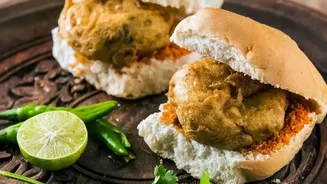
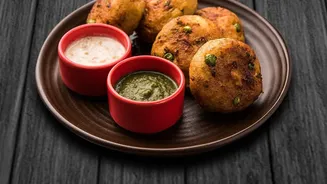
There is a unique satisfaction in the contrast between a damp, humid environment and the sharp crunch of a freshly fried snack. Foods like pakoras (vegetable fritters), samosas (savory pastries), and vadas (lentil fritters) are hallmarks of the season. The crispy texture offers a sensory counterpoint to the sluggishness of a rainy day. This love affair is celebrated across India. In Maharashtra, the craving is for Kanda Bhaji (onion fritters), while in North India, a classic potato or spinach pakora is the go-to. Paired with a steaming cup of masala chai, this combination has become so culturally embedded that the sound of rain itself can trigger the craving. The ritual is less about the food itself and more about the feeling of comfort and nostalgia it evokes.
A Tangy, Smoky Counterpoint
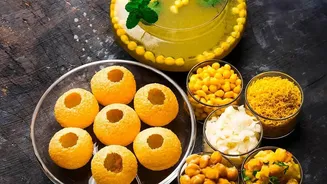
Beyond the deep-fried, the monsoon brings a desire for tangy and smoky flavours. The quintessential example is bhutta, or corn on the cob, which is at its freshest during this season. Roasted over hot coals by roadside vendors, the charred, smoky kernels are rubbed with a mixture of salt, chili, and a generous squeeze of lime juice. This combination of heat, smoke, and tang is a classic rainy-day experience. The same love for tanginess is found in various chaat preparations, which often feature a mix of crunchy, soft, sweet, and sour ingredients. These flavours help awaken the palate, which can feel dulled by the humidity.
The Warmth of a Steaming Bowl
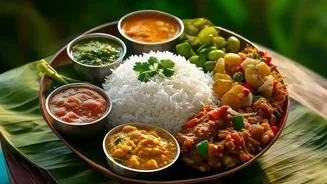
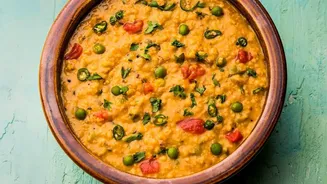
While snacks dominate the monsoon conversation, full meals also adapt to the season. Ayurvedic tradition suggests that the digestive fire, or Agni, is weaker during the rains. This has led to a culinary wisdom that favours light, warm, and easily digestible foods. Khichdi, a simple dish of rice and lentils cooked together, is considered an ideal monsoon meal. It is nourishing, easy on the stomach, and can be customized with digestive spices like ginger, cumin, and turmeric. Similarly, warm soups and broths like rasam in the south—a tangy tamarind and pepper-based soup—provide comfort and warmth, aligning perfectly with traditional health advice for the season. These meals are not just about being gentle on the digestive system; they provide a deep sense of nourishment and well-being when the weather is gloomy.
More Than Just a Meal
Ultimately, rainy-season eating in India is an experience woven into the cultural fabric. Each dish, from a simple cup of ginger tea to a festive sweet like ghevar or jalebi, tells a story of seasonality, family, and shared memory. These food traditions connect generations, preserving culinary knowledge passed down through families. The act of preparing and sharing these specific foods becomes a way to celebrate the rain's arrival and find joy in the slower pace of life it enforces. It transforms the monsoon from a mere weather event into a season of flavour, comfort, and connection.