






The Road Ahead: What are CAFE Norms?
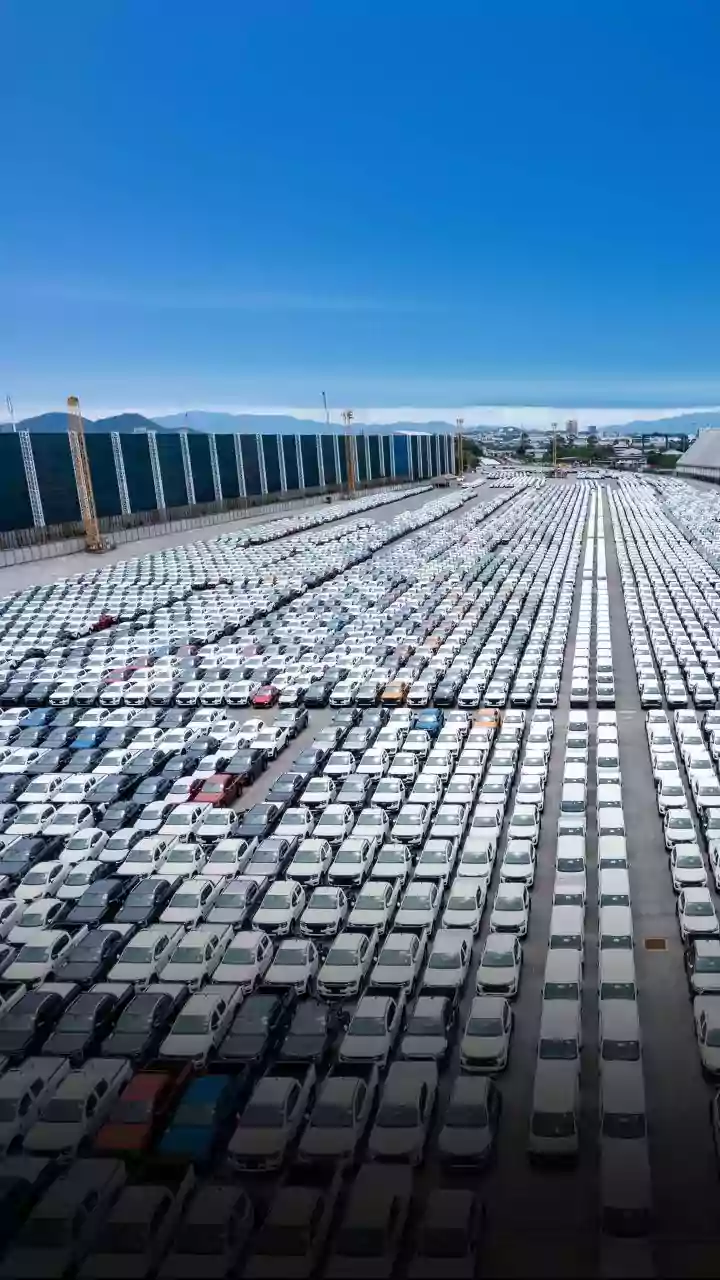
CAFE, or Corporate Average Fuel Economy, norms are essentially a report card for car manufacturers. Instead of grading each car model individually, these regulations measure the average fuel efficiency of a company's entire fleet of passenger vehicles
sold in a year. Heavier vehicles are allowed slightly higher emissions, while lighter cars must be more efficient. The goal is to push the industry as a whole towards producing more fuel-efficient cars, reducing the country's reliance on oil imports and cutting down on carbon dioxide emissions. India implemented its first phase (CAFE-I) in 2017, followed by the stricter CAFE-II in 2022. Now, the proposed CAFE-III is set to raise the bar even higher starting from April 1, 2027.
Shifting Gears: What's New in CAFE III?
The draft CAFE-III norms, released for public consultation by the Ministry of Power and the Bureau of Energy Efficiency (BEE), propose a significant tightening of emission targets. The rules aim for a fleet-average CO2 emission level of 91.7 grams per kilometre under the new, more realistic Worldwide Harmonised Light Vehicles Test Procedure (WLTP) testing cycle. This target is set to become progressively stricter over a five-year period from 2027 to 2032. The proposal also introduces incentives, known as 'super credits', for manufacturing electric, hydrogen, and hybrid vehicles, rewarding automakers who invest in cleaner technologies. For the first time, it also formally recognizes the benefits of alternative fuels like ethanol and compressed bio-gas (CBG), allowing for special reductions in declared emissions.
A New Marketplace for Emissions
One of the most significant changes under the proposed CAFE-III framework is the creation of a market-based compliance mechanism. This system allows for flexibility in how automakers meet their annual targets. Manufacturers that over-comply—meaning their fleet is more efficient than required—will earn compliance credits. Those who fall short will accumulate debits. These credits can then be traded. A company struggling to meet its target can buy credits from a manufacturer that has a surplus. This creates a 'compliance market' where efficiency becomes a tradable asset, encouraging investment in green technology by creating a new revenue stream for high-performing companies.
The 'Buyout' Clause: A Compliance Safety Net
At the heart of the new proposal is the 'buyout option'. This feature acts as a safety valve for manufacturers who are unable to meet their targets or purchase enough credits from other companies. Instead of facing steeper penalties immediately, they have the option to buy compliance credits directly from the Bureau of Energy Efficiency (BEE) at a predetermined price. According to the draft, this buyout price will start at ₹2,500 per unit of non-compliance in the 2027-28 fiscal year and will increase annually, reaching ₹4,500 by 2031-32. This gives automakers a predictable cost for non-compliance, but the rising price is designed to ensure it remains a last resort rather than a cheap alternative to genuine innovation.
Impact on Automakers and Buyers
The proposed framework seeks to balance environmental goals with industry realities. The flexibility of credit trading and buyouts provides automakers with multiple pathways to compliance, which has been described by some as a 'balanced' approach. However, the pressure to comply will undoubtedly accelerate the industry's shift towards electric vehicles (EVs), hybrids, and other cleaner technologies. For automakers with a portfolio heavy on larger, less efficient vehicles, the compliance costs will be higher. This could translate to changes in model strategies and potentially higher price tags for some vehicles. For consumers, the long-term benefit is the availability of more fuel-efficient cars, leading to lower running costs and a cleaner environment. The draft rules are currently open for stakeholder feedback until early August 2026, after which the final regulations will be notified.