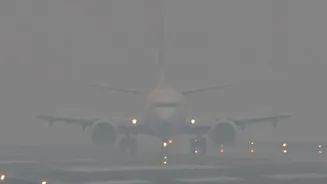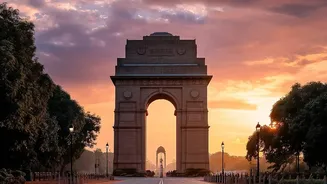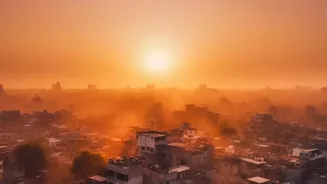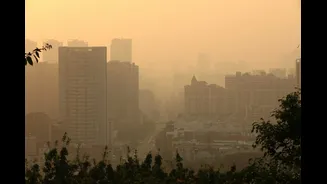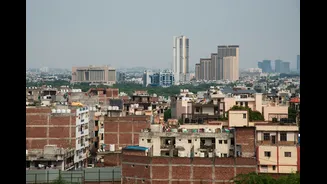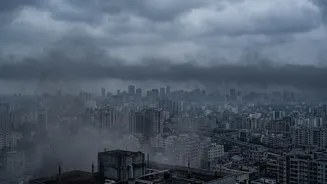





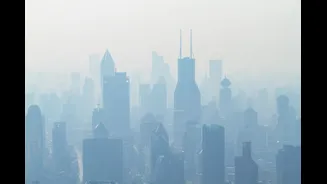
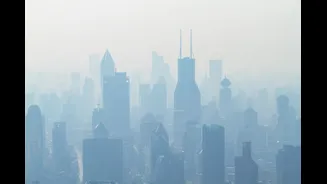
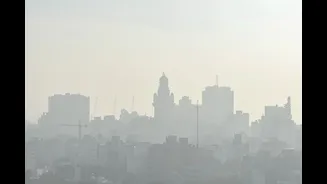
Delhi’s air quality remained a significant concern on November 10, with some areas recording readings in the 'Severe' category, triggering health alerts for millions. This annual crisis demands understanding and precaution.
Decoding the Numbers
On the morning of Tuesday, November
10, Delhi's overall Air Quality Index (AQI) was recorded at a staggering 414 at 9 am, placing it firmly in the 'Severe' category. While the city's official 24-hour average AQI later settled at 299 ('Poor'), many monitoring stations continued to report 'Very Poor' readings. An AQI between 401 and 500 is classified as 'Severe' and can cause respiratory issues even in healthy people, while seriously impacting those with existing health conditions. The predominant pollutant noted was PM10, which consists of coarse dust particles.
What 'Severe' Air Quality Means for Health
When the AQI enters the 'Severe' zone, the air is considered toxic enough to affect everyone, not just vulnerable groups like children, the elderly, and those with respiratory or cardiovascular illnesses. Immediate symptoms can include persistent coughing, a scratchy throat, irritated and watery eyes, and difficulty breathing. Prolonged exposure to such high levels of pollutants, particularly fine particulate matter like PM2.5, can lead to serious long-term health complications. These include an increased risk of heart attacks, strokes, and even lung cancer in non-smokers.
The Annual Cocktail of Pollutants
Delhi's hazardous November air is not a new phenomenon; it's a recurring crisis fueled by a combination of factors. One of the primary contributors during this season is smoke from stubble burning in the neighbouring states of Punjab and Haryana. This smoke travels and mixes with local pollution sources, including heavy vehicular emissions, industrial discharge, and dust from construction activities. These pollutants are then trapped close to the ground by meteorological conditions typical of early winter—low wind speeds and temperature inversion, where a layer of cool air is trapped below a layer of warmer air, preventing dispersal.
Government Measures and the GRAP System
In response to the deteriorating air quality, authorities had already invoked Stage III of the Graded Response Action Plan (GRAP) across the National Capital Region on November 6. GRAP is a set of emergency measures that are enforced based on the severity of air pollution. Stage III restrictions include a ban on non-essential construction and demolition activities and restrictions on the use of older, more polluting vehicles (BS-III petrol and BS-IV diesel). These measures are designed to curb local emissions and prevent the air quality from worsening further.
How to Protect Yourself and Your Family
On days with high pollution, taking personal protective measures is crucial. The most effective advice is to limit outdoor exposure as much as possible, especially for children and the elderly. If you must go out, wear a wellfitted N95 or N99 mask, as simple cloth or surgical masks offer little protection against fine particulate matter. Avoid strenuous outdoor exercise like running or cycling. At home, keep windows and doors closed and consider using an air purifier with a HEPA filter, especially in the bedroom. Staying hydrated and opting for wet mopping instead of dry sweeping can also help manage indoor air quality.